
Mexico City
Mexico City does not ease you in; it demands immediate adaptation to its altitude, its relentless movement, and its sheer scale.
Guests & rooms
The Mexico City guide
An insider’s read on Mexico City
MMexico City does not ease you in; it demands immediate adaptation to its altitude, its relentless movement, and its sheer scale.
Built directly over the ruins of the Aztec capital Tenochtitlan, Mexico City is defined by its geological and historical layers. The Spanish conquistadors drained the lake system to build their colonial capital, a decision that still shapes the city's infrastructure and water challenges today. The 20th century brought rapid modernization, muralism, and a distinct architectural identity that blended indigenous forms with international functionalism. Today, it is a global cultural powerhouse that remains deeply anchored in its neighborhood-centric identity, where each neighborhood operates like a self-contained village.

PLATE IMexico City, Mexico

Guides & ideas
The Mexico City reading list
Hand-written guides from our editors — itineraries, the best of after dark, where to eat, and what’s genuinely worth your time.
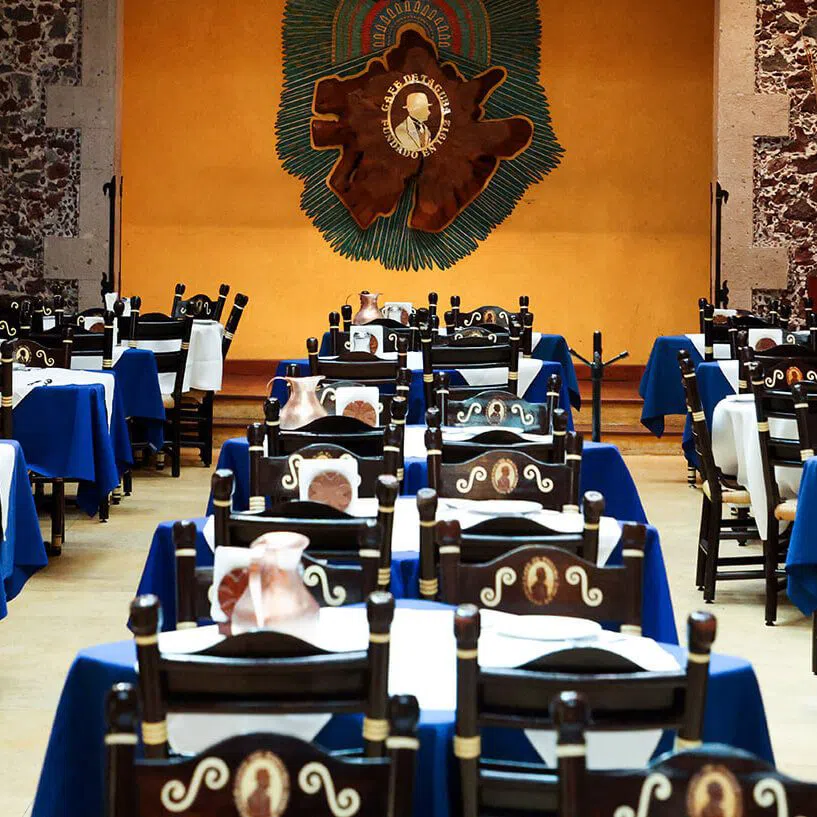
Café de Olla and Three Hours in Mexico City's Oldest Cafés
Sixteen Mexico City rooms where the coffee comes out of the pot sweetened with piloncillo and nobody hurries you out.
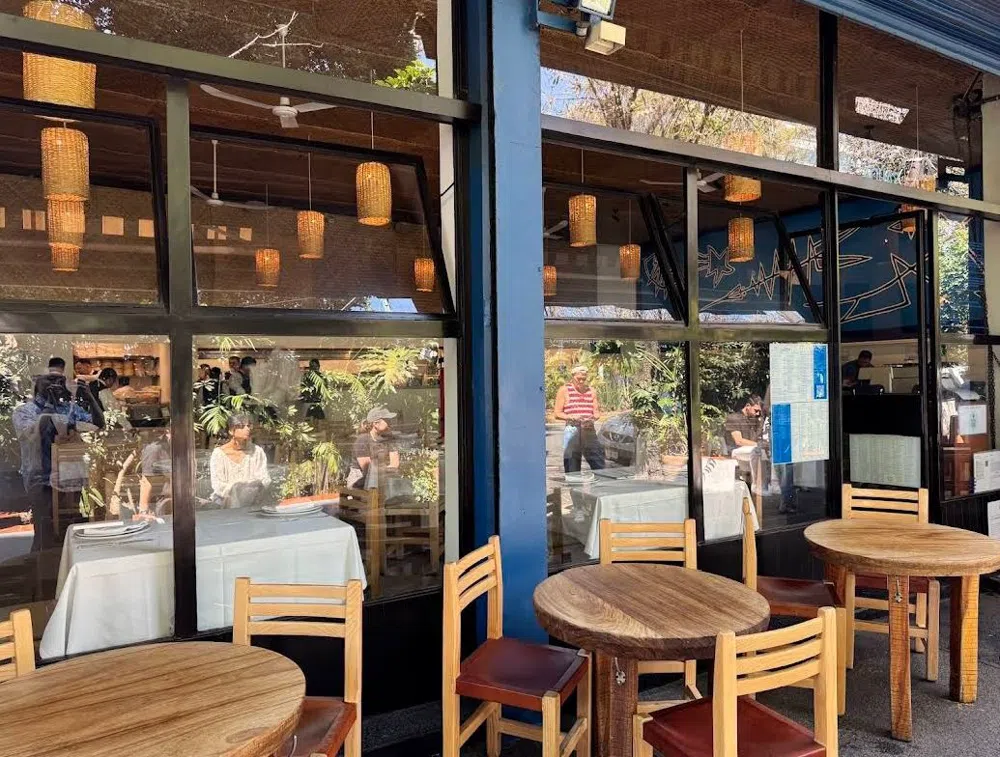
Mexico City's Long Lunches That Never Want to End
Mexico City doesn't rush anyone from the table: this is a guide to the restaurants, cantinas, and mezcal bars built for the meal that becomes a five-hour conversation.
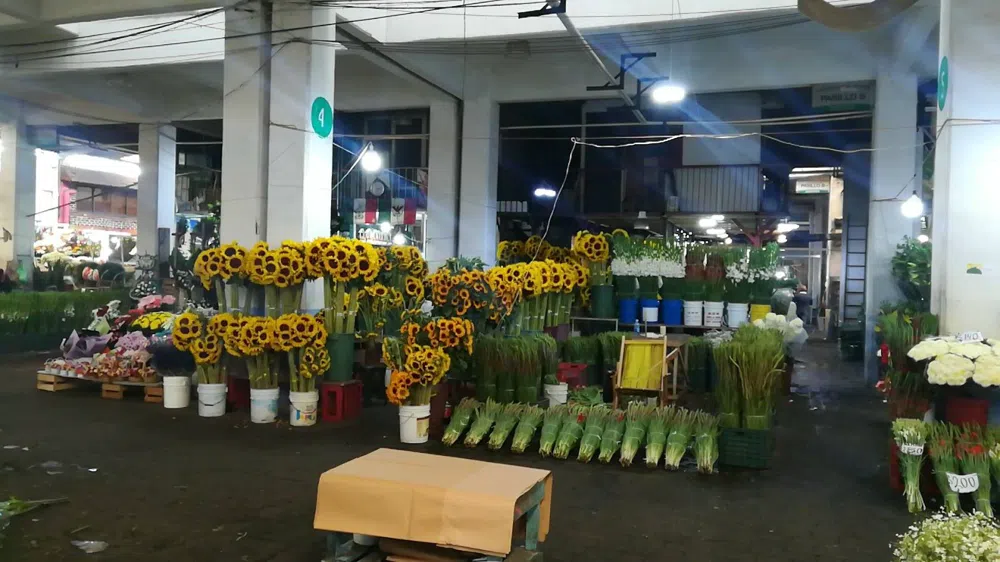
Mexico City's Sunday Market Crawl Runs From Jamaica to Merced
A six-to-eight-hour Sunday itinerary through Mexico City's oldest working markets, timed around the two that close early and honest about which stops suit a group and which don't.

Digging for Colonial Furniture at La Lagunilla, Mexico City
Every Sunday, Mexico City's oldest flea market turns colonial furniture, vintage photographs and folk relics into a bargaining ritual — here's how to shop it well, and where the trade continues the rest of the week.
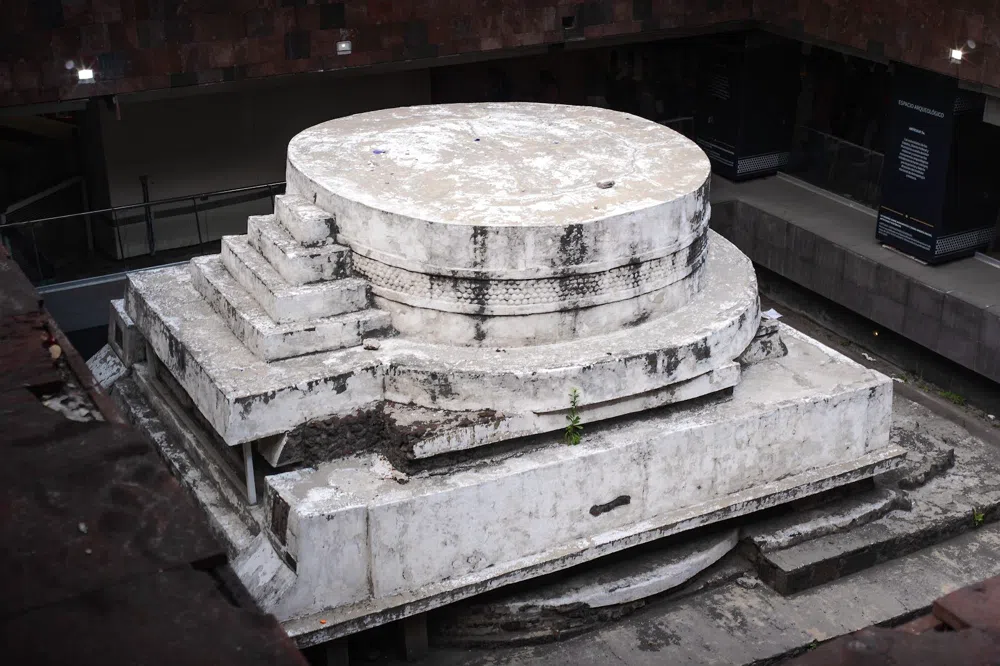
Underground Mexico City: Murals, Mammoths and Aztec Ruins
Mexico City's Metro doubles as a free museum of Aztec ruins, ice-age fossils and mural art, hiding in plain sight beneath rush-hour platforms — worth planning around, not just passing through, in 2026.
Chapultepec: Mexico City's Park That Remembers Everything
A layer-by-layer walk through Chapultepec, the park where Mexico City keeps its Aztec waterworks, its imperial castle, its finest museums, and its green lung all inside the same gates.
Where to base yourself
The neighborhoods
01
Centro Histórico
For History buffs and high-energy travelers. Trade-off: Extremely noisy, crowded, and some areas feel sketchy after dark.
Chaotic, grand, and historic. Gothic cathedrals, Aztec ruins, and endless street markets.
Where to stay — Restored colonial mansions or boutique hotels near the Zócalo.
02
Roma Norte
For Food travelers and design lovers. Trade-off: Highly gentrified, expensive, and can feel detached from everyday Mexican life.
Creative, leafy, and highly international. Art deco architecture, sidewalk cafes, and independent boutiques.
Where to stay — Mid-range design hotels or stylish guesthouses.
03
Condesa
For Families, slow travelers, and those who want a quiet base. Trade-off: Lacks the raw energy and cultural depth of other districts.
Residential, green, and relaxed. Dominated by parks, dog walkers, and outdoor dining.
Where to stay — Art deco boutique hotels or quiet apartments.
04
Juárez
For Trend-seekers and cocktail enthusiasts. Trade-off: Pockets can feel sterile or industrial near the main avenues.
Transitional, artistic, and architectural. A mix of crumbling Porfirian mansions and modern high-rises.
Where to stay — Hip boutique hotels or modern high-rise apartments.
05
Coyoacán
For Art lovers and those seeking a slower pace. Trade-off: Located far south of the city center, making daily commutes painful.
Bohemian, historic, and village-like. Cobblestone streets, colorful colonial houses, and quiet plazas.
Where to stay — Traditional bed and breakfasts or quiet guesthouses.
06
Polanco
For Luxury travelers and fine-dining enthusiasts. Trade-off: Lacks grit and bohemian character; very expensive.
Affluent, polished, and upscale. High-end shopping, luxury hotels, and world-class dining.
Where to stay — Five-star international luxury hotels.
Book direct
Book a hotel in Mexico City
Loading live availability and real-time prices…
Where to eat
Dining
Contramar
€€€Roma Norte
The ultimate long-lunch institution where media elites and travelers mingle over tuna tostadas.
Signature — Pescado a la Talla (split red-and-green grilled fish)
Mi Compa Chava
€€Roma Norte
High-energy, Sinaloan-style seafood hall with incredibly fresh raw preparations.
Signature — La Señora Torres (tower of raw seafood, shrimp, and octopus)
Campobaja
€€€Roma Norte
Sourcing from small-scale fishermen in Baja California ensures unmatched quality.
Signature — Catch of the day ceviche with local chilies
Sonora Grill Prime
€€€Polanco
High-energy dining room with premium Mexican beef cuts and excellent cocktails.
Signature — Ribeye cap cooked over charcoal
El Califa
€€Condesa
A clean, reliable upscale taquería specializing in high-quality grilled meats.
Signature — Gaonera taco (thinly sliced beef tenderloin on a fresh tortilla)
Charco de las Ranas
€€Mixcoac
A classic, late-night institution known for consistent quality and traditional charcoal grilling.
Signature — Tacos de pastor and grilled ribeye
Cantina El Sella
€€Doctores
A legendary, no-frills Spanish-Mexican cantina famous for its massive, tender pork dishes.
Signature — Chamorro de cerdo (slow-cooked pork shank)
La Opera
€€Centro Histórico
Historic 19th-century cantina where Pancho Villa shot a hole in the ceiling.
Signature — Caracoles en chipotle (snails in chipotle sauce)
Pujol
€€€€Polanco
Enrique Olvera's world-renowned temple of modern Mexican cuisine.
Signature — Mole Madre, Mole Nuevo (aged mole served alongside fresh mole)
Quintonil
€€€€Polanco
Jorge Vallejo's brilliant, ingredient-focused exploration of contemporary Mexican flavors.
Signature — Braised oxtail with black recado
Máximo
€€€€Roma Norte
Eduardo García's farm-to-table masterpiece utilizing ingredients from the chinampas of Xochimilco.
Signature — Sweetbreads with porcini puree
El Vilsito
€Narvarte
A car repair shop by day that transforms into one of the city's best pastor spots by night.
Signature — Tacos al pastor (spit-roasted pork with pineapple)
Tacos El Huequito
€Centro Histórico
Operating since 1959, serving a distinct, marinade-heavy style of pastor.
Signature — Taco al pastor gourmet (served rolled up with intense seasoning)
Taquería Orinoco
€Roma Norte
Northern-style tacos served in a bright, retro-styled space with exceptional salsas.
Signature — Taco de chicharrón (crispy pork skin)
Gracias Madre Taquería Vegana
€Roma Norte
Exceptional street-style tacos that convince even meat-eaters.
Signature — Vegan tacos al pastor made from wheat protein
Por Siempre Vegana Taquería
€Roma Norte
A beloved street cart turned brick-and-mortar serving outstanding plant-based street food.
Signature — Tacos de suadero vegano (soy-based mock meat)
Los Loosers
€€Roma Norte
A pioneer in plant-based dining, focusing on wild Mexican mushrooms and Asian-Mexican fusion.
Signature — Mushroom ramen with Mexican chilies
After dark
Nightlife
Yu Yu
Juárez
Intimate, basement-style club with a world-class sound system focusing on underground house and techno.
Patrick Miller
Roma Norte
High-energy dance hall famous for its legendary dance-offs and 80s high-energy/italo-disco music.
Funk Club
Condesa
Sleek, modern club hosting top-tier international and local electronic DJs.
Handshake Speakeasy
Juárez
Consistently ranked among the world's best bars, offering molecular mixology in a hidden art deco space.
Licorería Limantour
Roma Norte
The pioneer of the city's modern cocktail movement, famous for creative, high-volume mixology.
Café de Nadie
Roma Norte
A vinyl-listening bar serving exceptional cocktails made with seasonal, local ingredients.
Plaza Garibaldi
Centro Histórico
The historic home of mariachi music, where bands gather to be hired by the song.
Zinco Jazz Club
Centro Histórico
Located in a historic basement bank vault, hosting the city's finest jazz musicians.
Departamento
Roma Norte
Designed to look like a friend's apartment, hosting live indie bands and DJ sets.
Art & history
Culture
National Museum of Anthropology
Polanco/Chapultepec
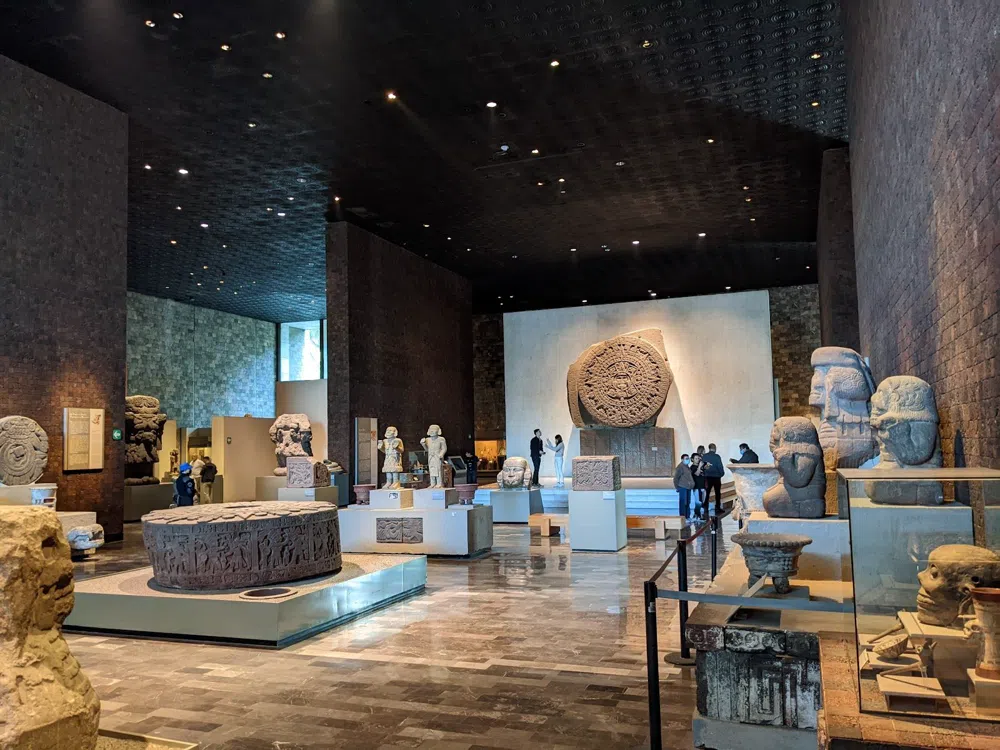
Houses the world's most extensive collection of pre-Columbian Mesoamerican artifacts, including the Aztec Sun Stone.
Frida Kahlo Museum / Casa Azul
Coyoacán
The historic home where Frida Kahlo was born, lived, and died, preserved with her personal belongings and art.
Museo Soumaya
Polanco
Striking, anvil-shaped building housing Carlos Slim's massive private art collection, including extensive Rodin sculptures.
Palacio de Bellas Artes
Centro Histórico
A stunning art nouveau exterior paired with an art deco interior, housing massive murals by Rivera, Siqueiros, and Orozco.
Casa Luis Barragán
San Miguel Chapultepec
The preserved home of Mexico's most famous modernist architect, showcasing his masterful use of light, color, and space.
Templo Mayor
Centro Histórico
The active archaeological excavation of the main temple of the Aztec capital Tenochtitlan, right next to the cathedral.
Kurimanzutto
San Miguel Chapultepec
The most influential contemporary art gallery in Mexico, representing major international and local artists.
Galería OMR
Roma Norte
A leading contemporary art space housed in a striking brutalist building, showcasing cutting-edge multimedia art.
Museo Jumex
Polanco
Designed by David Chipperfield, this museum houses one of the largest private contemporary art collections in Latin America.
Book ahead
Top-rated experiences in Mexico City

Teotihuacán: Private Tour from Mexico City
from $144

Explore the Barrio Bravo of Tepito with local guides
from $89

PRIVATE Mexico City Cooking Class with Culinary Historian Lucia
from $129

Private tour with Archaeologist at National Anthropology Museum
from $98

Mexico City: Xochimilco at sunrise + Breakfast and transportation
from $175

Coyoacan Food Tour
from $110

Tequila Tasting (unlimited) and Cultural Party in Xochimilco
from $48

Private from Mexico City: Pyramids of Teotihuacan & Basilica of Guadalupe
from $195
Prices from Viator; we may earn a commission when you book — at no extra cost to you. Tours are sold and operated by Viator, the merchant of record. Ratings are collected by Viator and Tripadvisor.
Timing
When to visit
Spring
Warmest months of the year. Jacaranda trees bloom in purple across the city, though air quality can dip before the rains start.
Summer
The rainy season. Mornings are sunny and warm, followed by heavy, predictable downpours in the late afternoon. Excellent for indoor museum visits.
Autumn
Clear skies, cooler temperatures, and major cultural events like Day of the Dead in early November.
Winter
Crisp, sunny days and cold nights. Ideal for walking, though mornings require heavy layers.
What it costs
Budgeting
Logistics
Getting around
From the airport
Benito Juárez International Airport (MEX) is close to the center. Authorized taxis purchased at indoor booths or ride-hailing apps are the safest and most reliable options.
Public transit
The Metro system is vast, cheap, and fast, though incredibly crowded during rush hours. The Metrobús operates in dedicated lanes down major avenues like Insurgentes and Reforma, offering a great above-ground alternative.
Passes & tickets
The Tarjeta de Movilidad Integrada is the unified transit card. It costs a nominal fee (€) and can be loaded with credit at any station to use on the Metro, Metrobús, and Cablebús.
On foot
Neighborhoods like Roma, Condesa, Juárez, and the Centro Histórico are highly walkable. However, crossing between these districts often requires transit due to major multi-lane thoroughfares and sheer distance.
Travel smart
Safety & etiquette
Local etiquette
- •Always greet service staff with a polite 'Buenos días' or 'Buenas tardes' before making requests.
- •Tipping is standard and highly appreciated; leave 10-15% in restaurants, and round up taxi fares.
- •Never drink tap water; always ask for bottled water or verify that ice is made from purified water.
- •Keep your voice at a moderate volume in public spaces; loud talking is generally frowned upon.
From the ground
Practical tips
1
Download the CDMX app to access official taxi registration and real-time transit updates.
2
Carry cash in small denominations (50 and 100 peso bills); street vendors and markets rarely accept cards or large bills.
3
Pack a light jacket or sweater even in summer, as evenings turn surprisingly cool once the daily rains begin.
4
When visiting Xochimilco, ignore the unofficial touts along the road and head directly to the official cooperative piers like Nativitas.
5
Always carry a packet of tissues and hand sanitizer, as public restrooms frequently lack toilet paper and soap.
6
Use the Cablebús Line 2 for a cheap, stunning aerial view of the city's colorful hillside neighborhoods without leaving the transit system.
Mexico City FAQs
Is the tap water safe to drink?
No, the tap water in Mexico City is not safe for drinking. Always consume bottled or filtered water, and use purified water even for brushing your teeth to avoid stomach illnesses.
How do I deal with the high altitude?
Take it easy during your first 48 hours. Mexico City sits at over 2,240 meters (7,350 feet) above sea level, which can cause mild headaches or fatigue; stay hydrated and limit alcohol intake initially.
Is it safe to eat street food?
Yes, street food is a highlight of the city, but choose stalls with long lines of locals, which indicates high turnover and fresh ingredients.
Do I need to speak Spanish?
While English is widely spoken in upscale hotels and restaurants in Roma, Condesa, and Polanco, knowing basic Spanish phrases is essential for navigating markets, taxis, and traditional neighborhoods.
How far in advance should I book museums?
Major attractions like the Frida Kahlo Museum (Casa Azul) and Casa Luis Barragán require booking weeks or even months in advance online; walk-up tickets are rarely available.