The Mexico City issue
Higher Than Your Head: A Day Inside Mexico City's Tianguis
A market-by-market guide to Mexico City's tianguis — from Sunday antiques and Saturday folk art to punk vinyl, paca by the kilo and flowers by the truckload.
By Tomás BautistaThe city, one market stall at a time
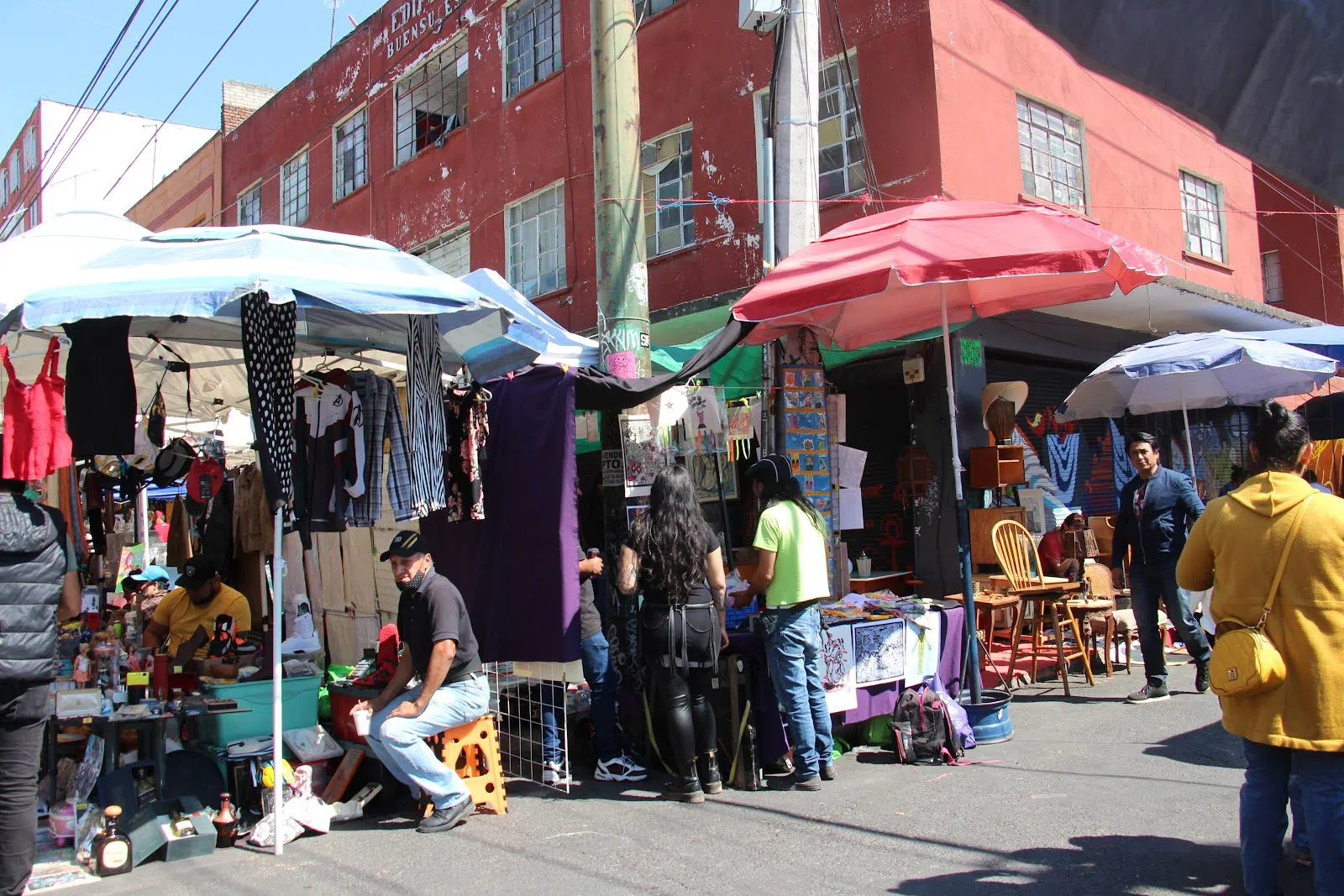
Before there was a Zócalo, before the causeways silted into avenues, there was the tianquiztli — Nahuatl for the market, the place where a city meets to trade and to gossip. Mexico City still runs on that word. Spend a Saturday or a Sunday here and you will find whole streets vanished under blue tarpaulins strung higher than your head, a diablito hand-cart squealing past your shins, a vendor calling a price that is never the final word but only the opening line of a conversation. To walk a tianguis is to read the city in its own handwriting.
The rules of the street
A tianguis is not a building. It is a market that appears — poles up at dawn, tarps down by dusk — on an appointed day, then folds itself away and moves on. That mobility is the whole point, and it is why the day of the week matters more than the address. Turn up on the wrong day and you will find an ordinary road; turn up on the right one and you cannot see the pavement for people.
A few things hold true across all of them. Entry is always free — you pay only for what you carry home. Cash is king, and small bills are your friend; card readers are the exception, not the rule. Haggling is expected almost everywhere except the higher-end craft stalls, and it is done with good humour, not hostility — name a fair number, smile, and meet in the middle. Keep your phone in a front pocket and your bag across your body; the busier and grittier the market, the more that matters. And decide before you go whether you want a browse or a plunge. Some of these markets are gentle enough for a couple to drift through for an hour; others are a full-body event where a group should agree a meeting point before the crowd swallows everyone whole.
With that settled, here is how I'd plan a day — or better, a weekend — market by market.
Plan your Mexico City trip
Live prices from our booking partners.
Free cancellation on many rooms. We may earn a commission when you book.
For the collector: antiques and the slow hunt
The city's most storied Sunday belongs to the Tianguis de Antigüedades de La Lagunilla (Centro, hard on the edge of Tepito). This is the antiques hunt everyone means when they talk about digging for treasure in Mexico City: porfirian furniture, tarnished silver, film posters, dead men's watches, ex-votos, the occasional genuinely good painting mixed in with cheerful fakes. Arrive around 9am if you want the best pickings before the dealers and the regulars have combed it over. It is cash only and haggling is the sport, not a nuisance. A word of honesty, though: Lagunilla borders one of the city's rougher neighbourhoods, and while the market itself hums along happily on a Sunday, you should travel light, leave the good watch at the hotel and keep your wits about you. It suits a small, alert group better than a solo wanderer laden with bags.
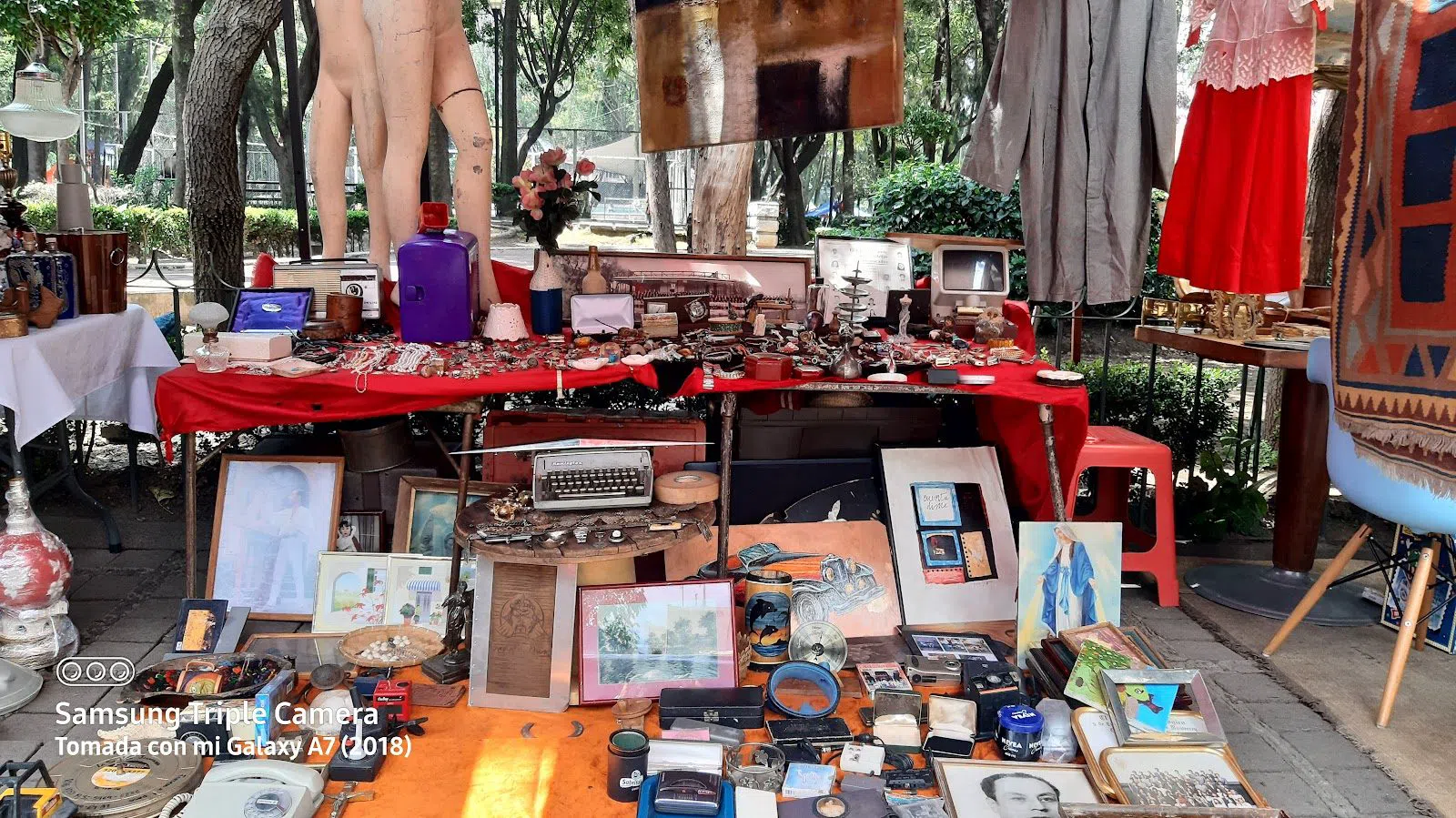
If that sounds like more edge than you want, there is a gentler cousin. The Tianguis de Antigüedades del Jardín Dr. Ignacio Chávez (on Avenida Cuauhtémoc, an easy hop from Roma and Doctores) runs Saturday and Sunday, 9am to 4pm, in an actual park. It is smaller, calmer and feels safer, and it rewards the patient collector — clocks, coins, cameras, ceramics and paper ephemera from around MXN 50 upward. There is space to sit, the pace is unhurried, and nobody minds if you turn a piece over three times before deciding. For a browse rather than a scrum, this is a genuinely charming morning, and it pairs neatly with lunch in Roma afterwards.
For the maker: craft with a name
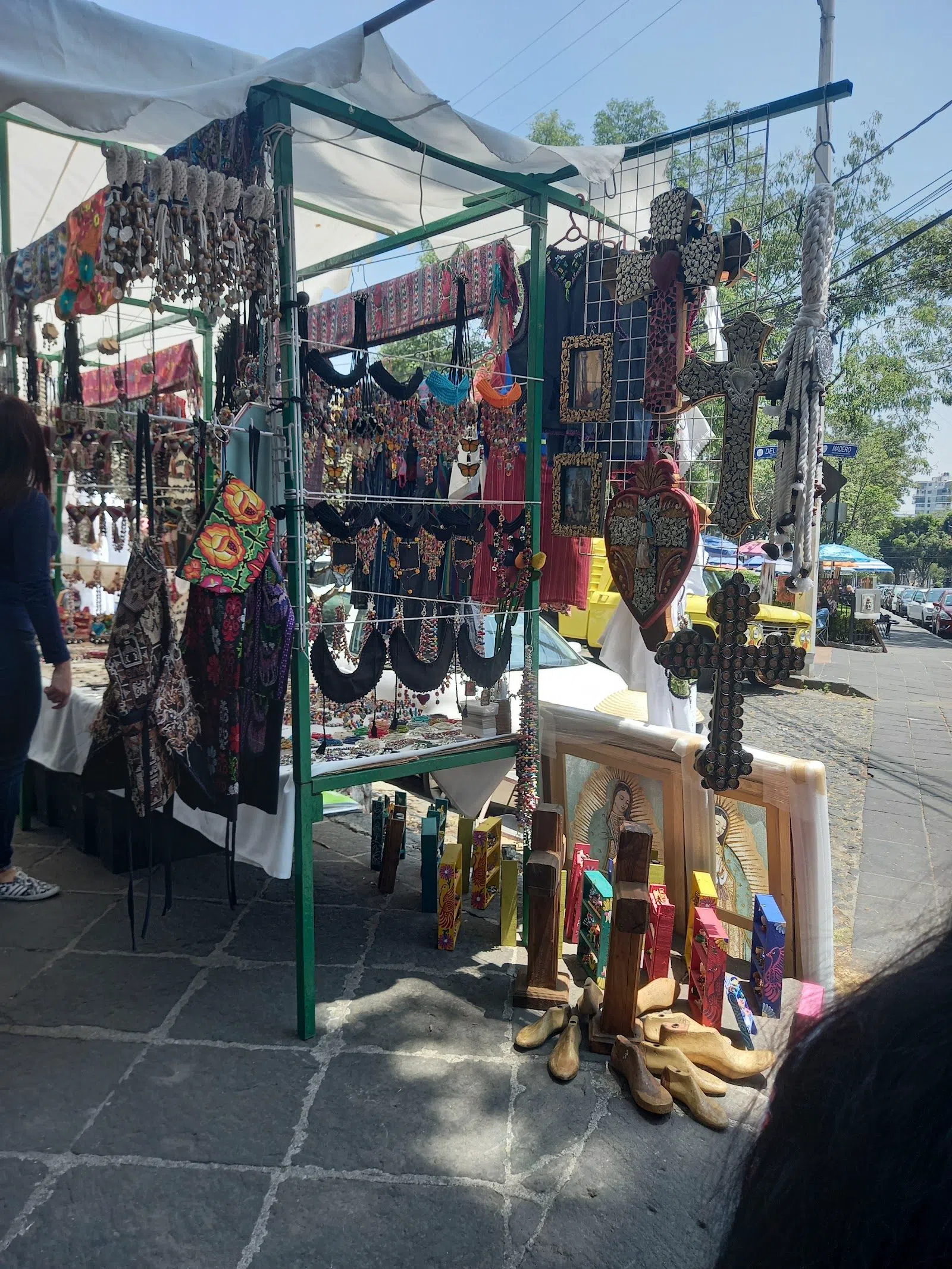
Where the antiques markets are about the past, El Bazar Sábado (San Ángel) is about the people making things now, and making them well. Held every Saturday from 10am to 7pm in a handsome plaza in one of the city's leafiest, cobbled southern neighbourhoods, this is the finest craft market in Mexico City — and the priciest. You will find Talavera and barro negro, hand-loomed textiles, alebrijes, silverwork and glass, much of it sold by the artisans themselves or their families, and much of it carrying a real story about where the clay was dug or how the dye was set. Prices run from around MXN 200 for a small piece to MXN 5,000 and well beyond for serious work, and haggling is not really the culture here; you browse, you ask the maker about the technique, and you buy at leisure. It is effortless for groups — open, civilised, no door policy, plenty of shade — and I'd fold in the painters' market that sets up alongside it the same day. Come here when you want something you can trace back to the hand that made it.
For subculture: records, vintage and streetwear
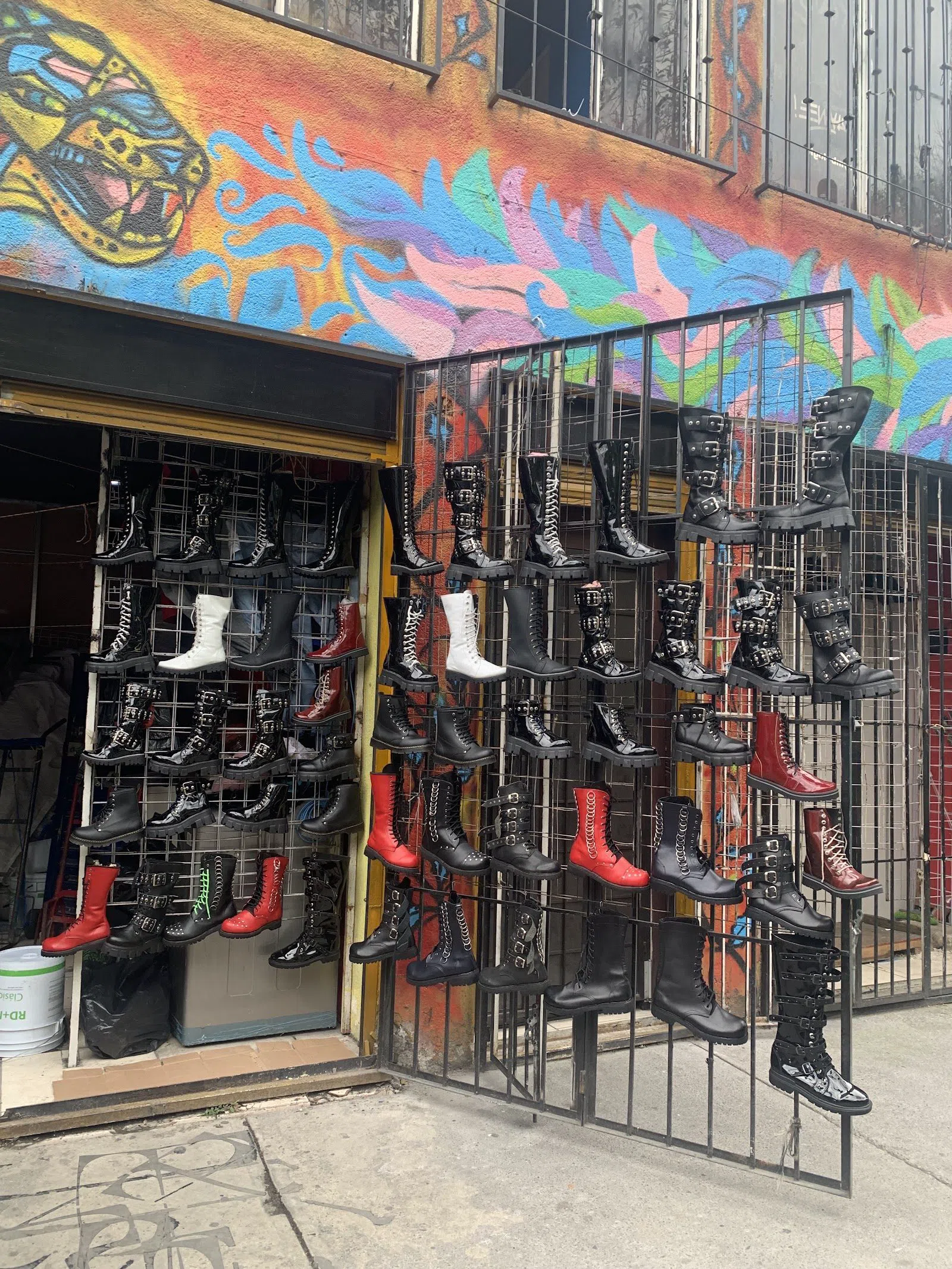
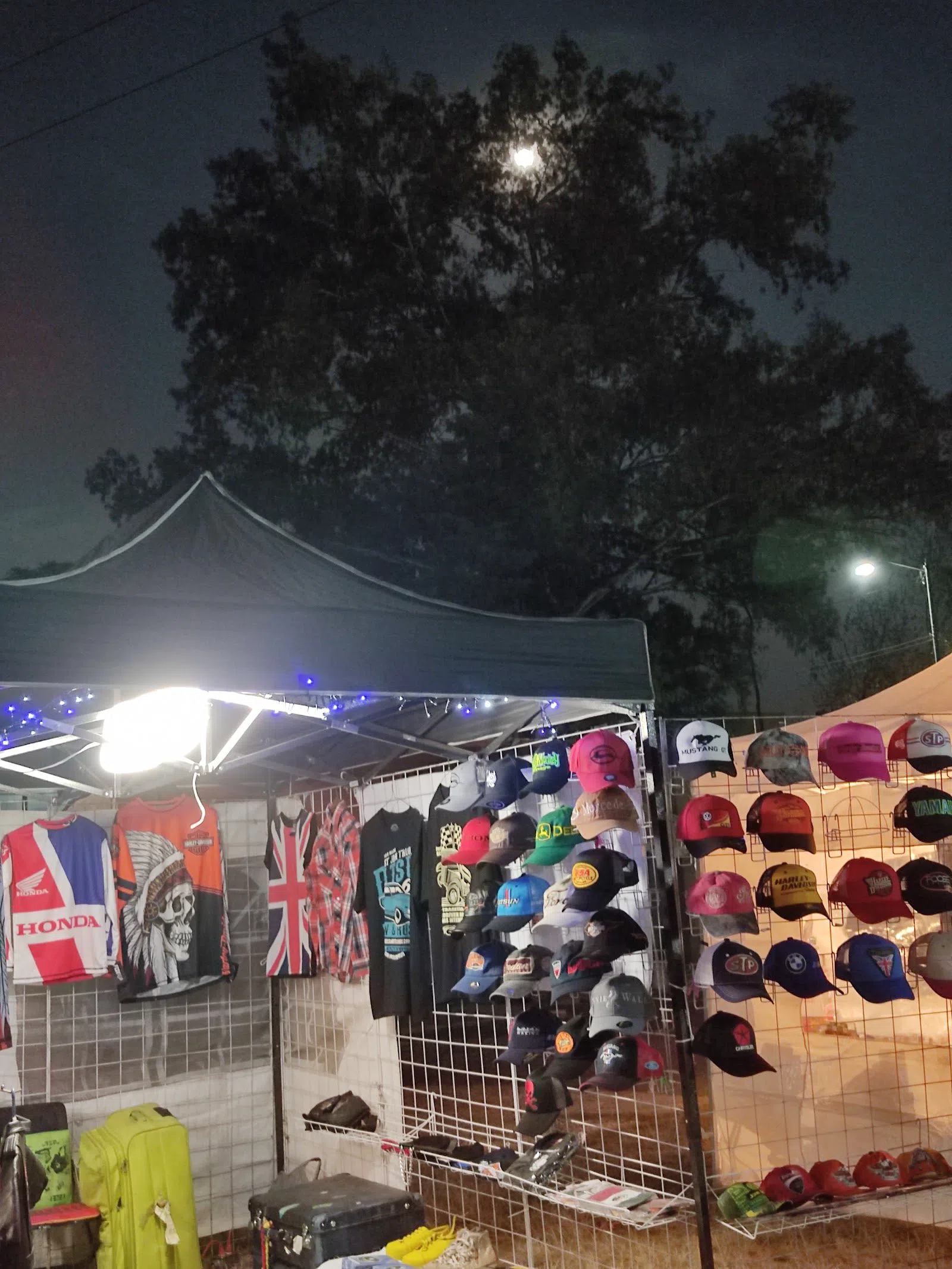
Every Saturday since the 1960s, one street near Metro Buenavista and Revolución has belonged to the city's outsiders. The Tianguis Cultural del Chopo (Buenavista) is CDMX's countercultural institution — vinyl and cassettes, band tees, patches, comics, zines and the finest people-watching in the city, all soundtracked by whichever punk or metal band is playing at one end. It runs roughly 11am to 5pm, entry is free, and records and shirts land mostly in the MXN 100–500 band. It draws a dense, joyful crowd, so go as a group and stick together; there is no door policy, but the sheer press of bodies is the challenge. This is not a souvenir stop — it is a subculture with a postcode, and it is the best place in the city to feel the pulse of its music scene.
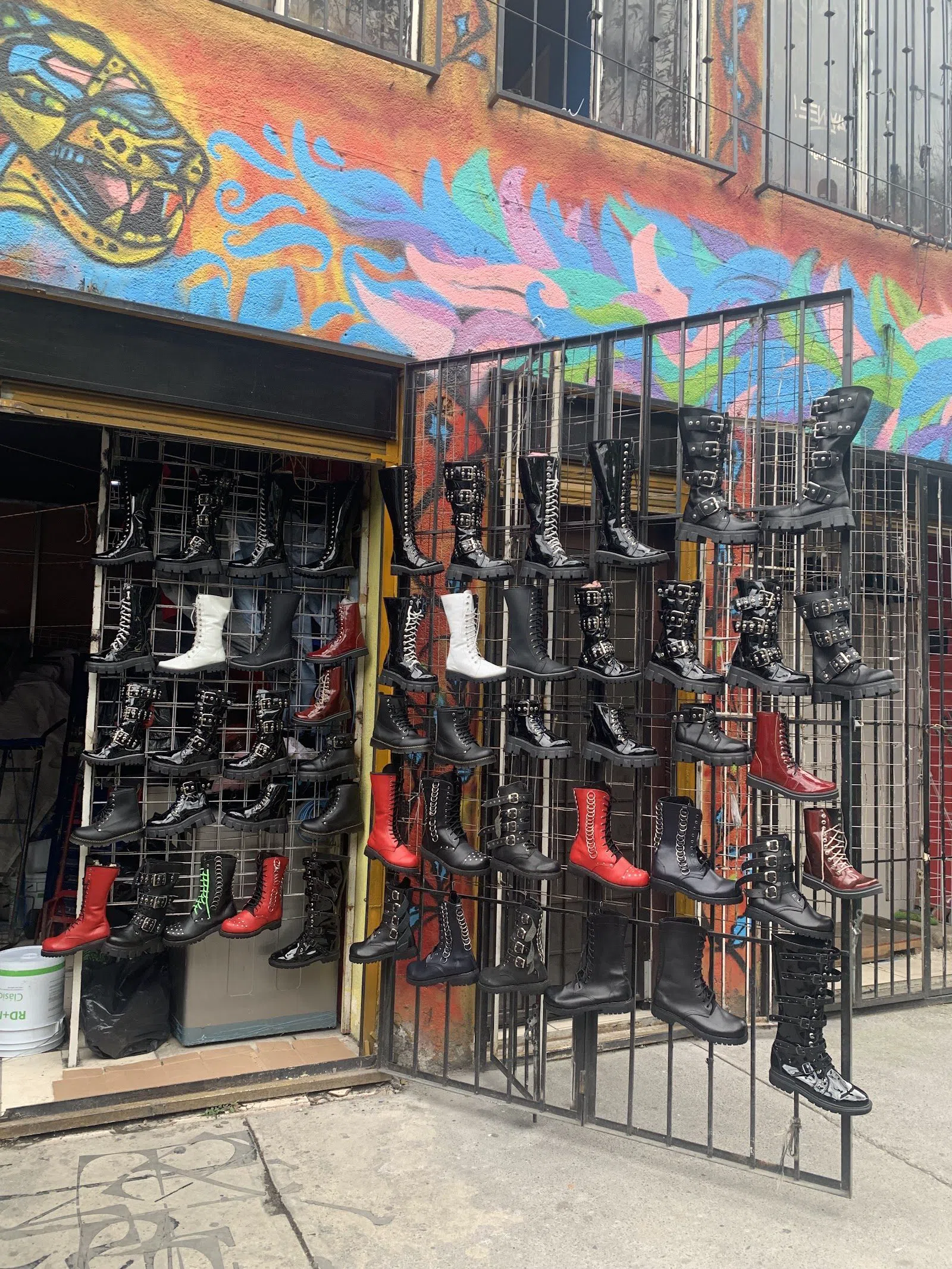
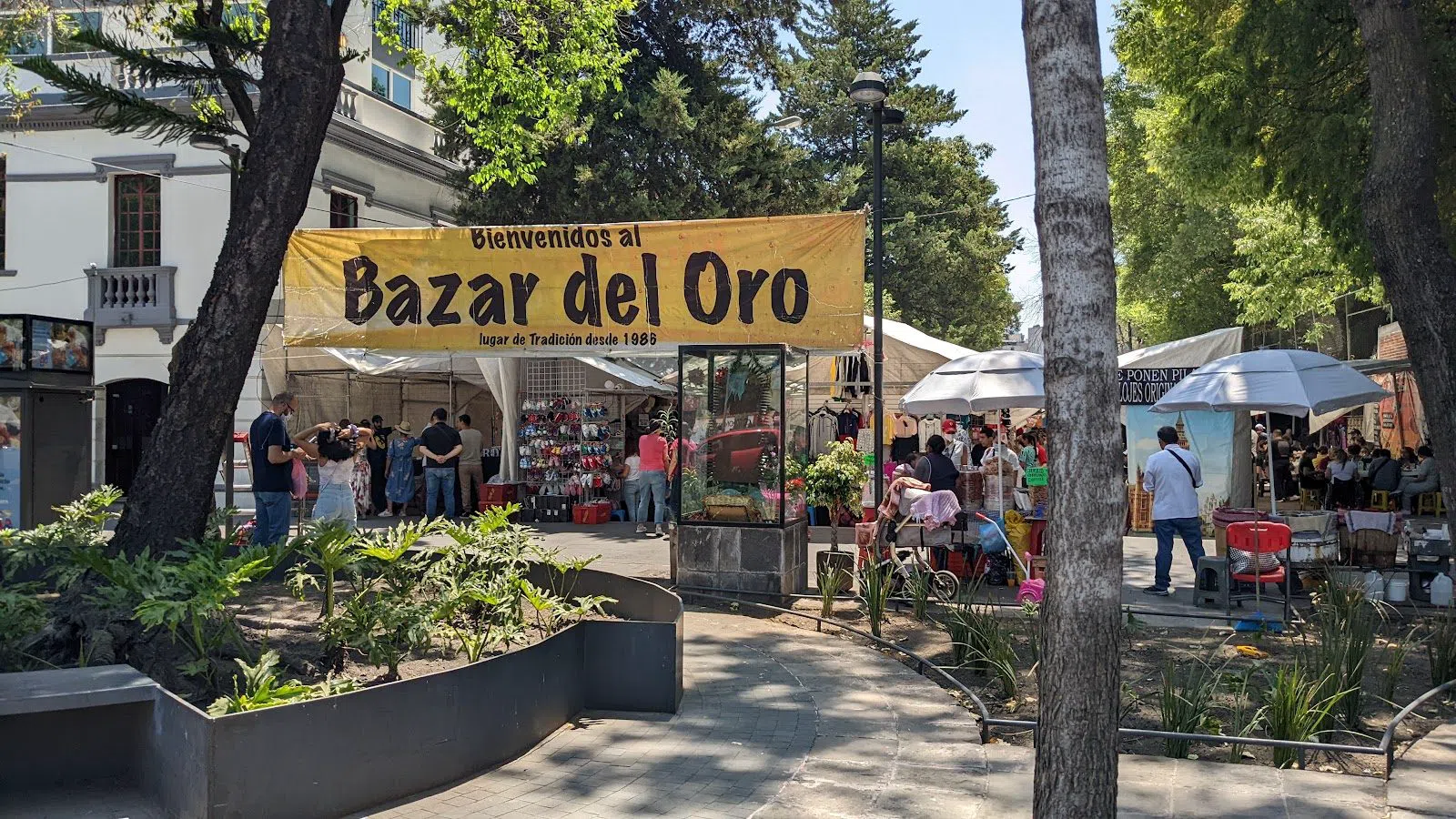
For vintage on a smaller, calmer scale, the Bazar del Oro (Roma Norte) sets up on Calle Oro every Wednesday, a block from the fountain in one of the city's most walkable neighbourhoods. It is compact and comfortable — fine for a couple or a small group — and it rewards a slow sift through secondhand garments, with cheap street food (MXN 30–90 a plate) to keep you going. Come mid-week, when the more famous weekend markets are asleep and Roma is at its most liveable.
The streetwear crowd should point themselves at the Tianguis de La Raza (Vallejo) on a Sunday. This bustling market is the place for affordable sneakers and streetwear, with genuinely good street food folded in among the stalls — local flavour over souvenirs, and prices to match. Keep an eye on your belongings in the crush, but otherwise it is easygoing and fun, and a fine window onto how the city actually dresses.
For scale: the mega-tianguis
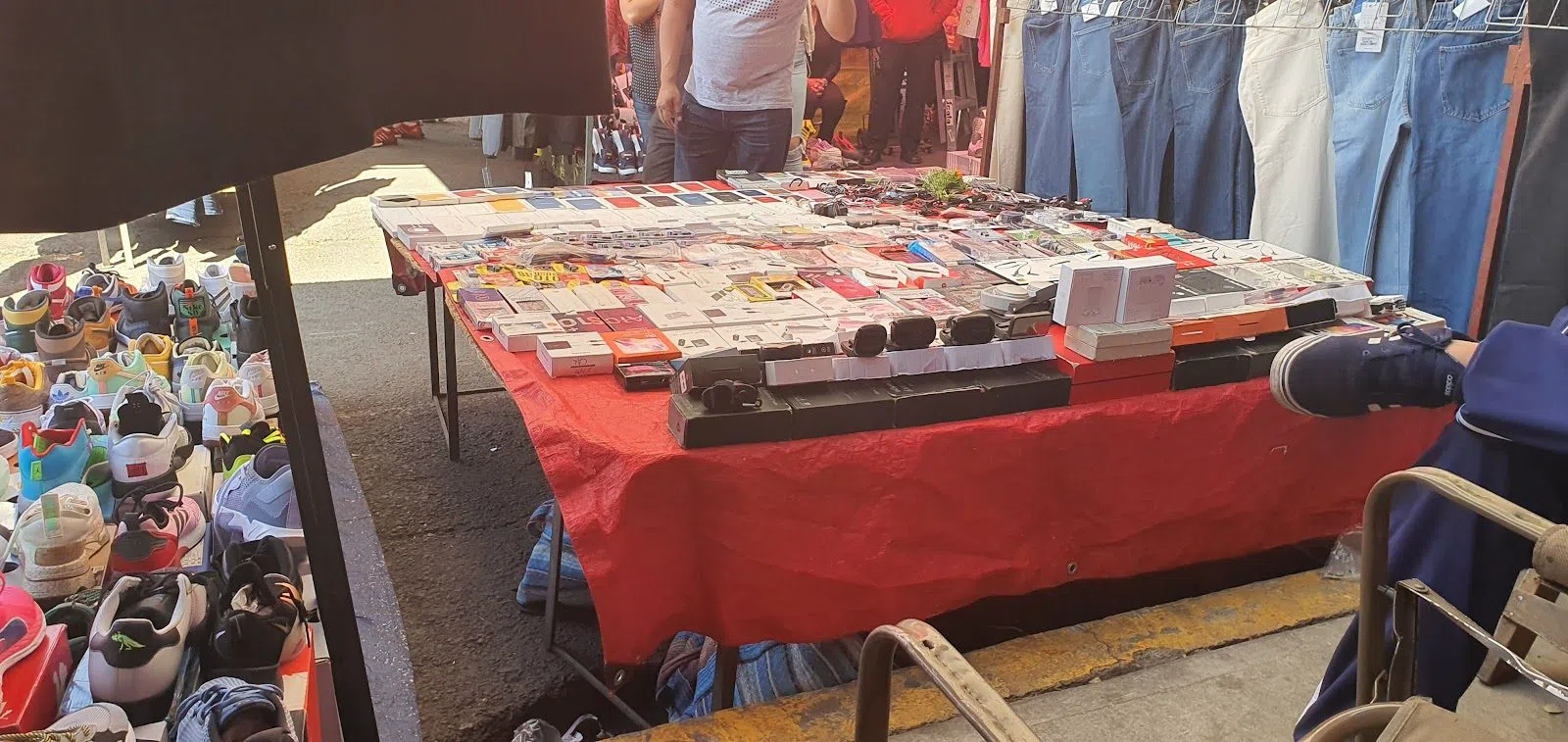
Some tianguis stop being markets and become weather systems. The Tianguis de San Felipe de Jesús (Gustavo A. Madero) is, by common reckoning, the largest tianguis in Latin America — some 30,000 stalls sprawling across the streets, at their fullest on Sundays. Everything is sold here and almost all of it is cheap, but understand what you are walking into: this is an overwhelming, deeply local spectacle rather than a place to buy tourist crafts. Go for the sheer scale of it, agree a meeting point before you start, keep phones and cash secure, and treat it as an experience to witness rather than a shopping list to complete.
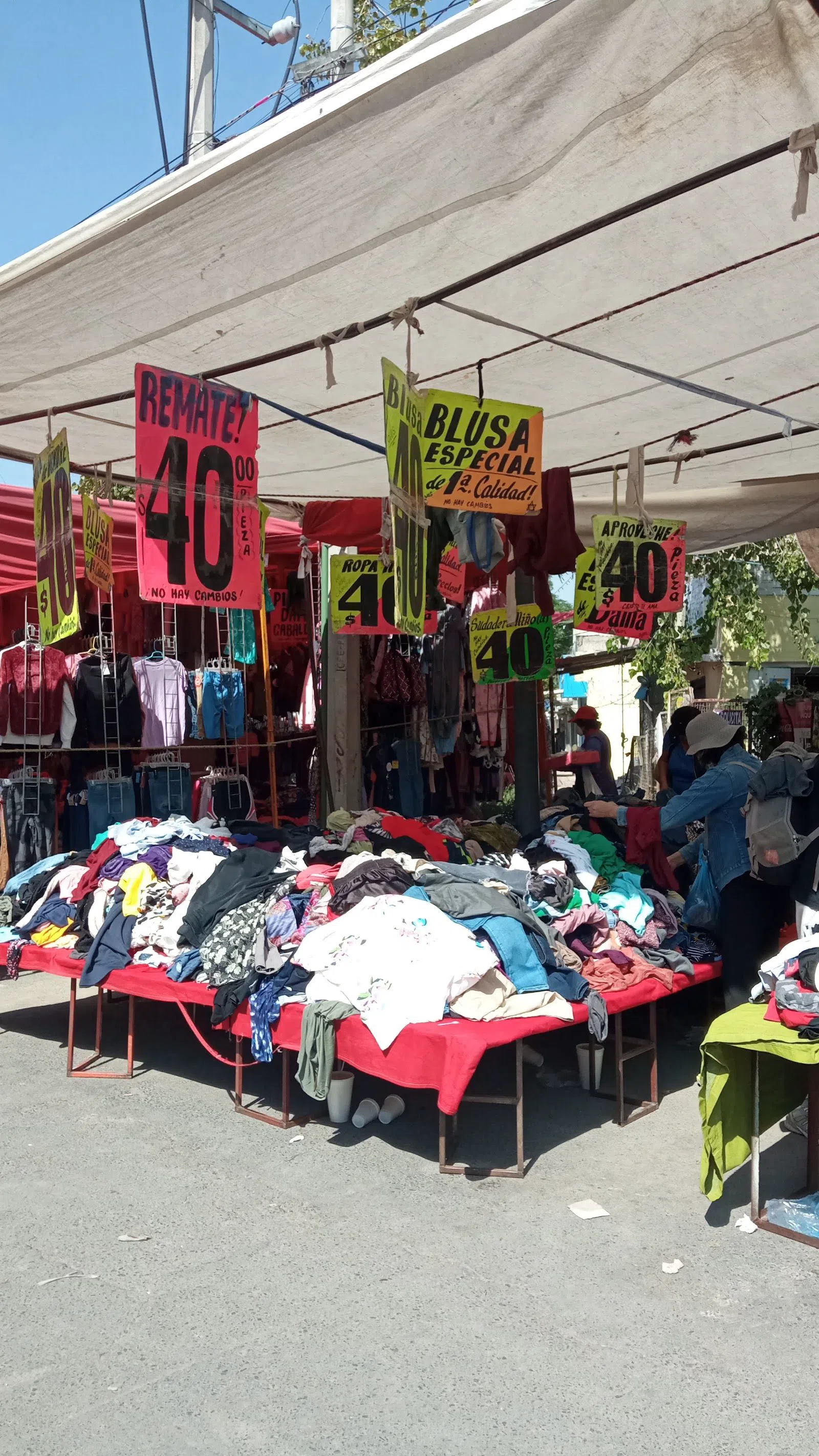
Cut from the same enormous cloth is Tianguis El Salado (Iztapalapa), one of the biggest, cheapest and grittiest markets in the city, trading Wednesdays from dawn. Its speciality is paca — bales of secondhand clothing sorted and sold on, with garments starting at as little as MXN 1. It is raw and unvarnished, a long way from any polished tourist trail, and it deserves respect: travel very light, stick close as a group, and go with your awareness switched on. For anyone curious about how a city of millions actually clothes itself, though, there is nothing else quite like it.
For the table and the garden
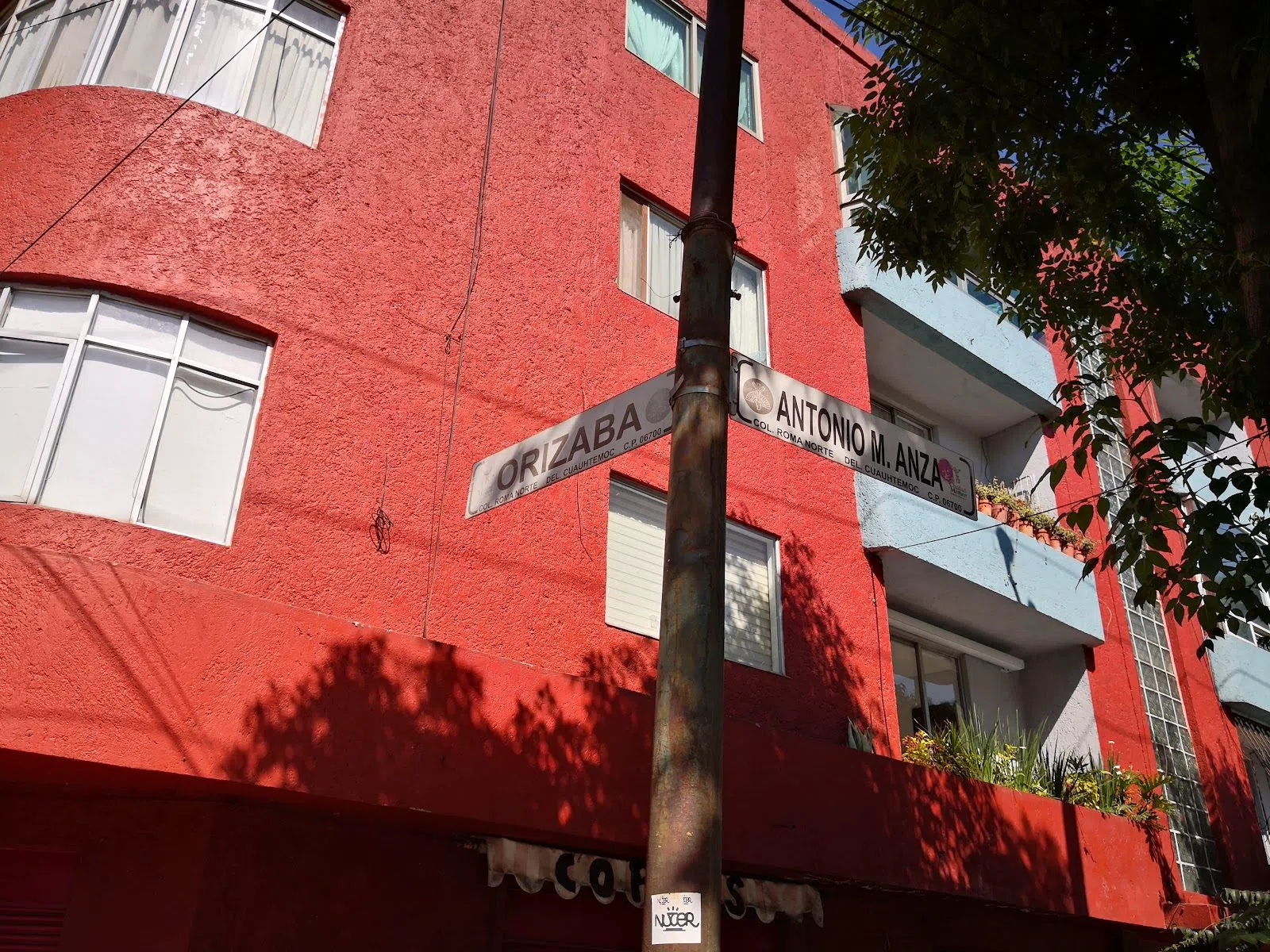
Not every tianguis is about the hunt. The Mercado El 100 (Roma) is a chic organic farmers' market that sets up on Sunday mornings — and I mean mornings, because the good stuff goes early; aim for 9 to 10:30am. This is the pick for sustainable produce, small-batch cheeses and jams, and vegan and gluten-free bites eaten standing up in a relaxed plaza. It is friendly, easy for groups and a delight for anyone who likes to meet the grower and ask how the season went before they buy the tomatoes. It sits within an easy walk of plenty of good places to stay, so it makes a gentle, well-fed start to a Roma Sunday.
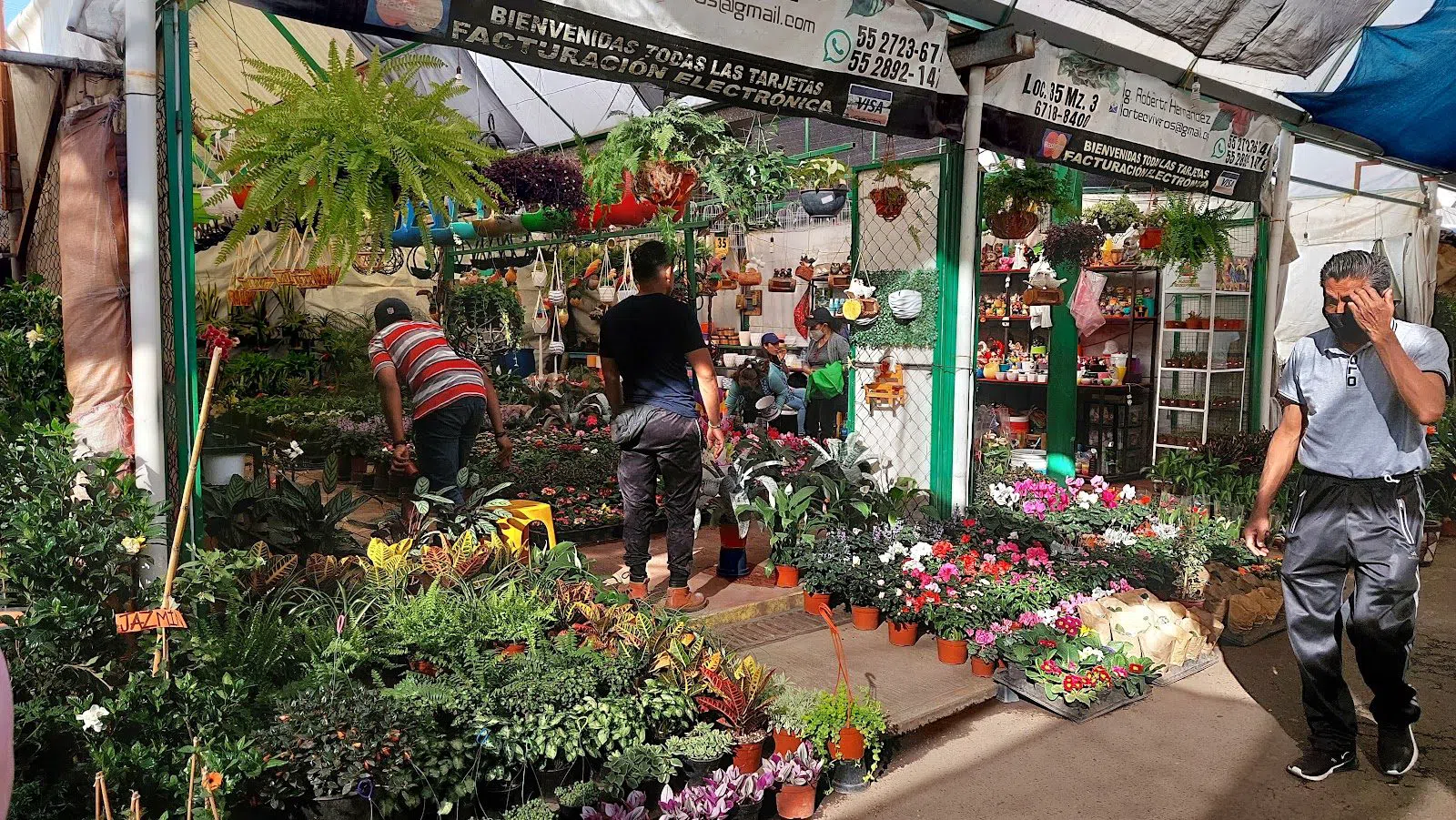
For scale of a greener kind, ride south to the Mercado de Plantas y Flores de Cuemanco (Xochimilco), the city's great plant and flower tianguis. Open daily and best at weekends, it is a vast, cheap-to-mid-priced ocean of greenery — ferns, orchids, cacti, cut flowers, ceramic pots — and it is easy and pleasant to wander as a group. Its masterstroke is location: it sits beside the Xochimilco canals, so you can pair an hour among the plants with a trajinera ride on the water. Even if you cannot fly a fern home, come for the colour and the sheer, cheerful abundance of it.
Practical notes
Timing. Days rule everything. Saturdays: El Chopo and El Bazar Sábado, plus the Jardín Dr. Ignacio Chávez. Sundays: Lagunilla, San Felipe de Jesús, La Raza, Mercado El 100 and the Jardín again. Wednesdays: Bazar del Oro and El Salado. Cuemanco is daily but best at the weekend. For the antiques and the mega-markets, arrive early — 9am or before — for both the best stock and the thinner crowds.
Cash. Bring pesos in small denominations and don't expect to pay by card. Break big notes early in the day at a food stall so you have change ready for haggling. Keep the bulk of your money and your phone in a front pocket, and only carry what you're comfortable losing at the grittier markets (Lagunilla, San Felipe, El Salado).
Transport. The Metro reaches most of these — Buenavista and Revolución for El Chopo, the southern lines and light rail toward San Ángel and Xochimilco — and it is cheap and fast, though tight in rush hour. For the far-flung mega-markets, a registered ride-hail app is the simpler, safer choice, especially if you're carrying purchases home.
Budget. Entry is free everywhere. Beyond that it ranges enormously: paca and street food in the single or double digits of pesos, records and vintage in the low hundreds, serious antiques and El Bazar Sábado craft into the thousands. A rich day of browsing, eating and one good souvenir is very achievable on a modest budget.
Groups vs couples. El Bazar Sábado, Mercado El 100, Cuemanco and the Jardín Dr. Ignacio Chávez are relaxed enough for anyone. El Chopo, La Raza and Bazar del Oro reward a small group who can move together. Lagunilla, San Felipe de Jesús and El Salado are best tackled as an alert group travelling light — thrilling, but not the place to switch off.
For somewhere to come home to after a day in the tarps and the crowds, browse the Mexico City hotel search, and for the wider picture of neighbourhoods, food and getting around, see the full Mexico City guide. Then pick your day, bring your pesos, and go read the city in its own hand.
Before you go
What is a tianguis?
A tianguis is a traditional open-air street market that appears on a set day of the week and then packs up and moves on — the name comes from the Nahuatl word tianquiztli, meaning market. Entry is free; you pay only for what you buy.
Which tianguis is best for antiques in Mexico City?
The Tianguis de Antigüedades de La Lagunilla on Sundays is the city's most storied antiques hunt — arrive around 9am, bring cash and haggle. For a calmer, safer-feeling alternative, the Jardín Dr. Ignacio Chávez market runs Saturday and Sunday, 9am to 4pm.
Are Mexico City's tianguis safe for visitors?
Most are perfectly enjoyable if you travel light, keep your phone and cash secure and stay aware. The gentler picks are El Bazar Sábado, Mercado El 100, Cuemanco and the Jardín Dr. Ignacio Chávez; markets like Lagunilla, San Felipe de Jesús and El Salado are grittier, so go as an alert group and carry little.
Do I need cash, and can I haggle?
Bring pesos in small denominations — most stalls don't take cards. Haggling is expected and friendly at antiques and secondhand markets; at higher-end craft markets like El Bazar Sábado, prices are more fixed and you browse and buy at leisure.
Which tianguis runs on which day?
Saturdays: El Chopo and El Bazar Sábado. Sundays: Lagunilla, San Felipe de Jesús, La Raza and Mercado El 100. Wednesdays: Bazar del Oro and El Salado. The Jardín Dr. Ignacio Chávez runs Saturday and Sunday, and Cuemanco's plant market is open daily but best at weekends.