The Mexico City issue
Café de Olla and Three Hours in Mexico City's Oldest Cafés
Sixteen Mexico City rooms where the coffee comes out of the pot sweetened with piloncillo and nobody hurries you out.
By Tomás BautistaThe city, one market stall at a time
The pot arrives still ticking with heat, and the first thing you smell is not coffee but cinnamon and scorched sugar. Café de olla is cooked rather than brewed: coarse grounds dropped into water with a cone of piloncillo and a stick of canela, brought up once in an unglazed clay pot and strained into a jarrito that burns your fingers for the first minute. It is a drink engineered for staying put, which is why the cafés that still make it the old way are the best rooms in Mexico City to spend three hours doing very little.
Coffee cooked in clay, and why nobody hurries you
The method is simple and unforgiving. Water, piloncillo (raw cane sugar set in a cone, tasting of molasses and smoke), a stick of soft cinnamon, sometimes orange peel or a clove or two. The grounds go in, the pot comes to a boil once, the heat is killed and the whole thing steeps for a few minutes before it is poured through a strainer. The vessel matters: a porous clay olla holds something of every pot that came before it, and the same recipe made in steel tastes thinner. Because it is sweetened in the pot rather than at the table, it arrives sweet. You can ask for it poquito dulce, but in most of these rooms the ratio was settled long before you walked in, and it is usually right.
The other half of what you are paying for is time. Sobremesa is the stretch after the cups are empty and the plates are gone, when nobody stands up and the conversation gets to the part worth having. Nobody is neglecting you; the service is working as intended. In the old cafeterías, the bill will not appear until you ask for it. Say la cuenta, por favor, or catch the waiter's eye and mime a scribble. Until then the table is yours.
Not every café here pours café de olla. The historic cafeterías of the Centro run on café con leche and the lechero; the specialty bars pour Mexican single origins by the cup and may not keep an olla at all. Ask for it, and where it isn't on the board, order what the house is proud of instead. The sitting still, and the sobremesa, survive the substitution. For everything around the coffee, the Mexico City guide covers the rest of the city.
Plan your Mexico City trip
Live prices from our booking partners.
Free cancellation on many rooms. We may earn a commission when you book.
The grand rooms of the Centro
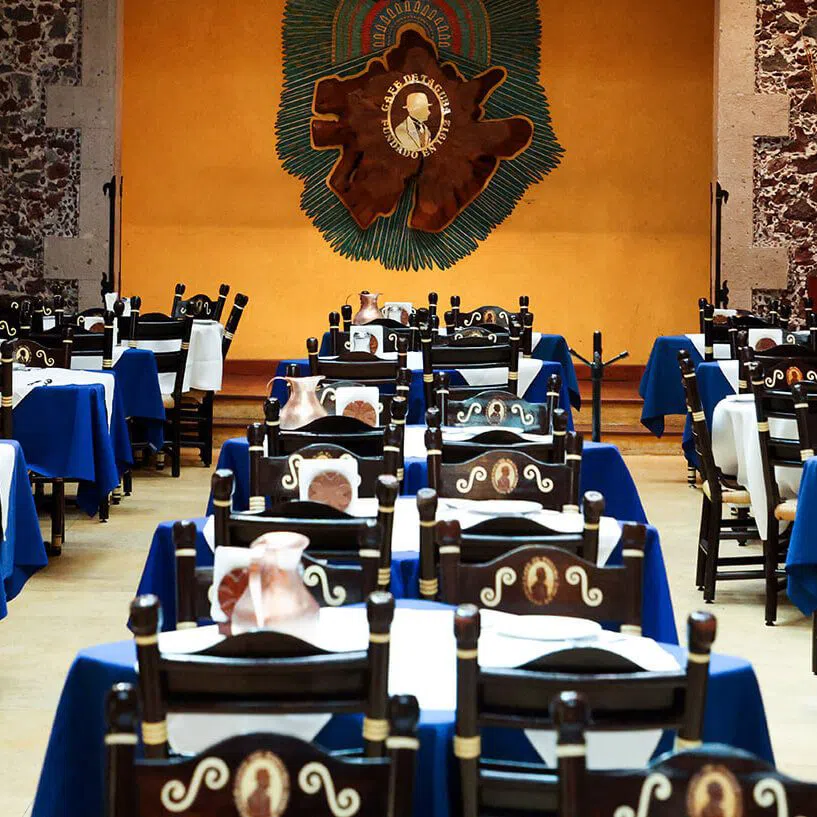
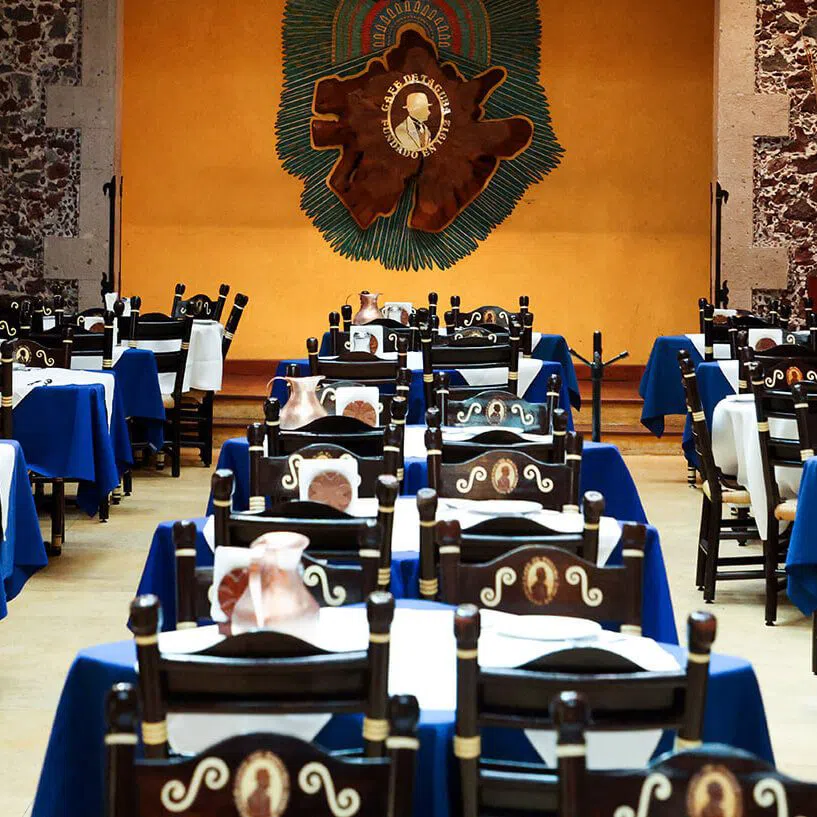
Café de Tacuba (Centro Histórico, on Calle Tacuba) has been open since 1912 and remains the grandest sobremesa room in the city: a tiled cloister, oil paintings, waitresses in long aprons, and an estudiantina that plays from 3pm to 10pm. That last detail is the reason to plan two hours rather than one. Arrive around 2.30pm, order properly, and let the music start once you are settled rather than while you are still reading the menu. It is the best group option in the Centro, with private event rooms and a terrace. Reservations on weekdays by phone or at [email protected]; weekends are walk-in, so go early or expect to wait. Reckon on MXN 180 to 450 a head.
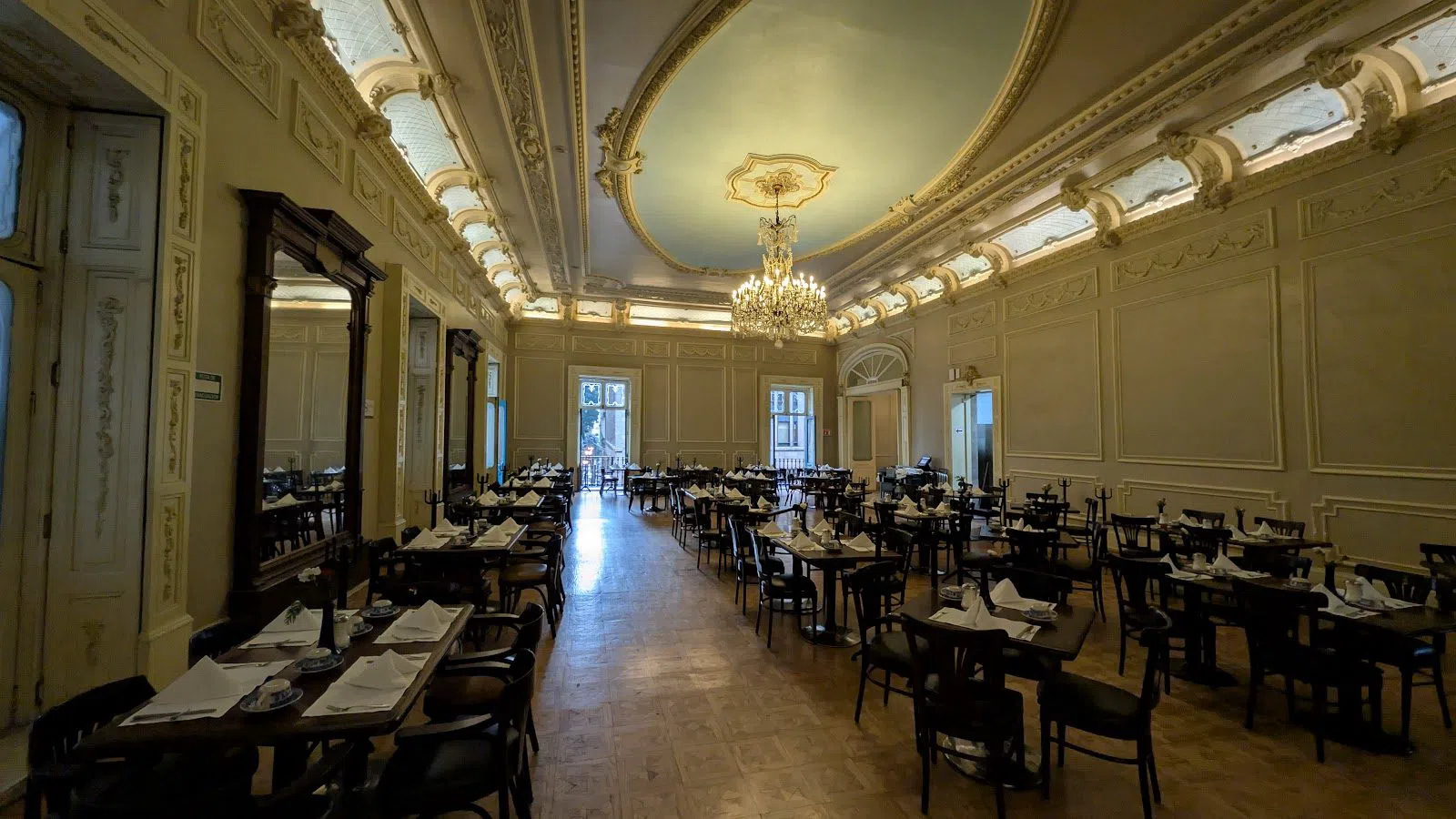
Sanborns de los Azulejos (Centro Histórico, in the Casa de los Azulejos on Madero) has occupied the House of Tiles since 1917, and the covered patio (stained glass overhead, a painted staircase, hundreds of seats) is one of the great rooms in the Americas. No reservations are taken and none are needed; the patio absorbs large groups without blinking, though at breakfast there is a short queue. MXN 150 to 350 a head. The Sanborns chain has shuttered other landmark branches in recent years. This one was trading daily in August 2026, but if you are building a day around it, check the same week you go.
The cafeterías where the city argues
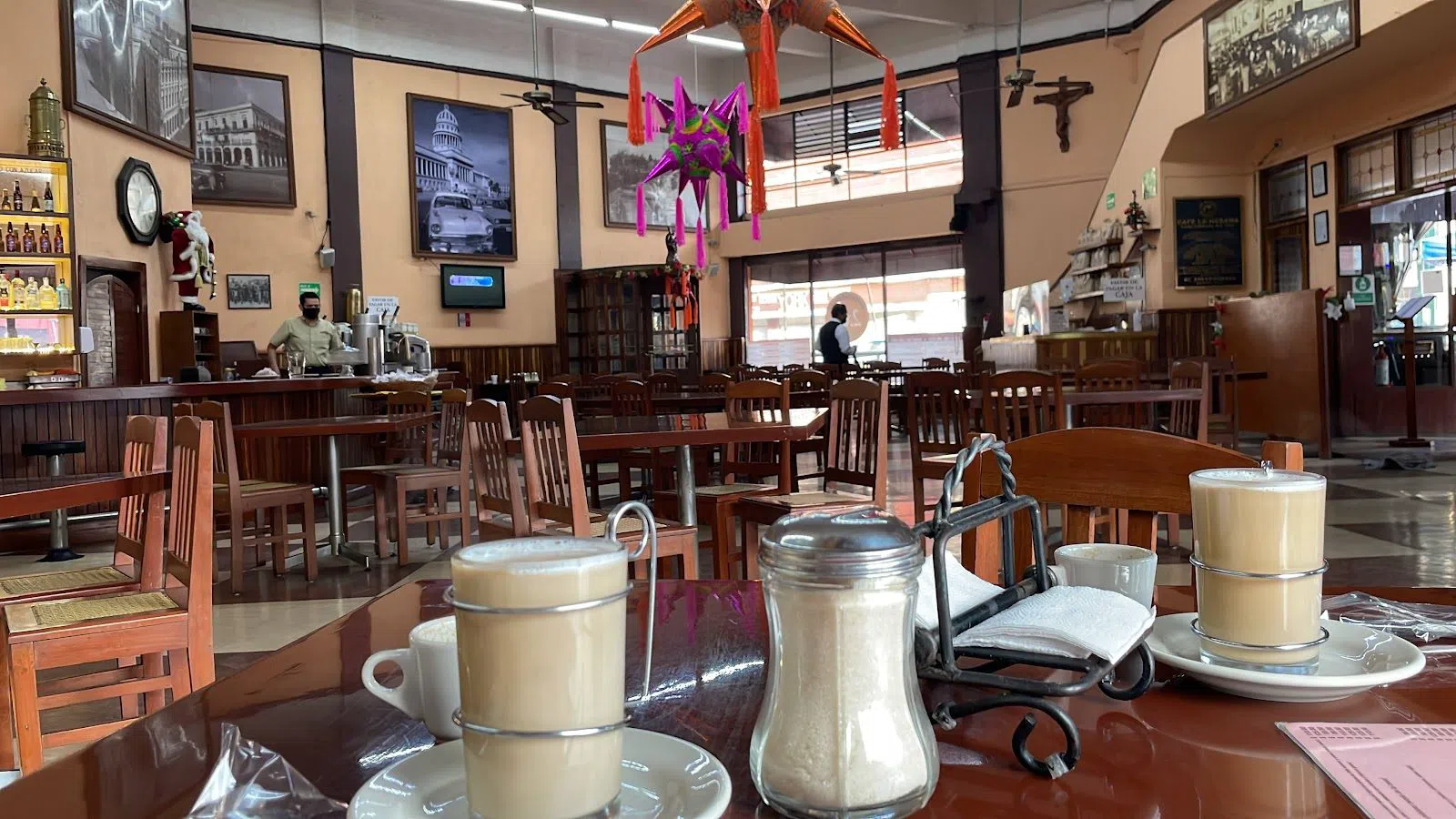
Café La Habana (Juárez, on the Bucareli corner) opened in 1952 and is the closest thing here to a proper old-world coffeehouse: high ceilings, waiters who have worked the same stations for decades, and a back room where the talking gets serious. Roberto Bolaño wrote it into The Savage Detectives; Castro and Guevara are said to have argued at the back tables. There is no door policy, no reservations, and no objection to pushing tables together. The back tables suit six to eight. MXN 90 to 220 a head, and nobody will hurry you. You can nurse one cup through an entire afternoon and the only consequence is a refill.
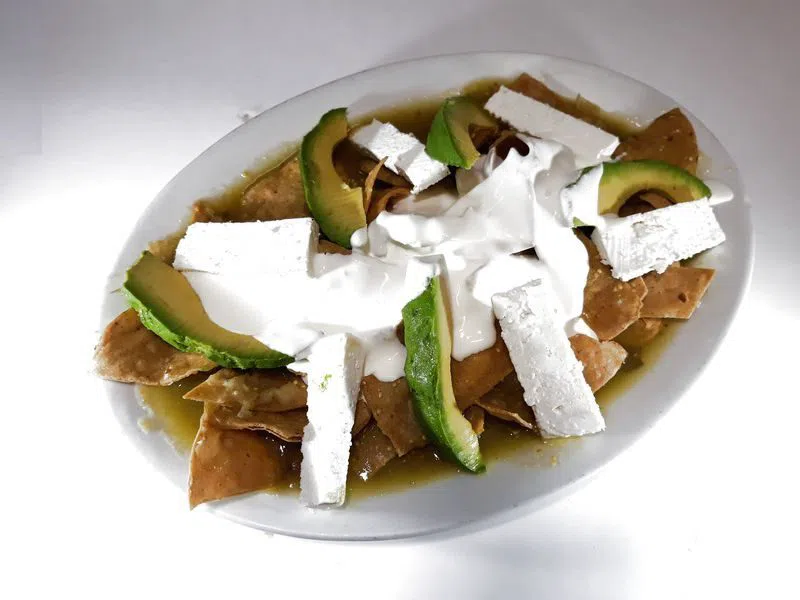
Café La Blanca (Centro Histórico, on Cinco de Mayo) was founded in 1915 as a dairy and passed its 110th year in 2026. This is where the lechero is still performed properly: two pots arrive, one of dark coffee essence and one of scalded milk, and the waiter pours the milk from height into your glass until you say when. You set the strength, which makes it the most instructive cup on this list. Order it strong once and weak once and you will understand what everyone else in the room is drinking. The room is narrow, so with more than six people go before 9am or after 4pm. MXN 100 to 250.
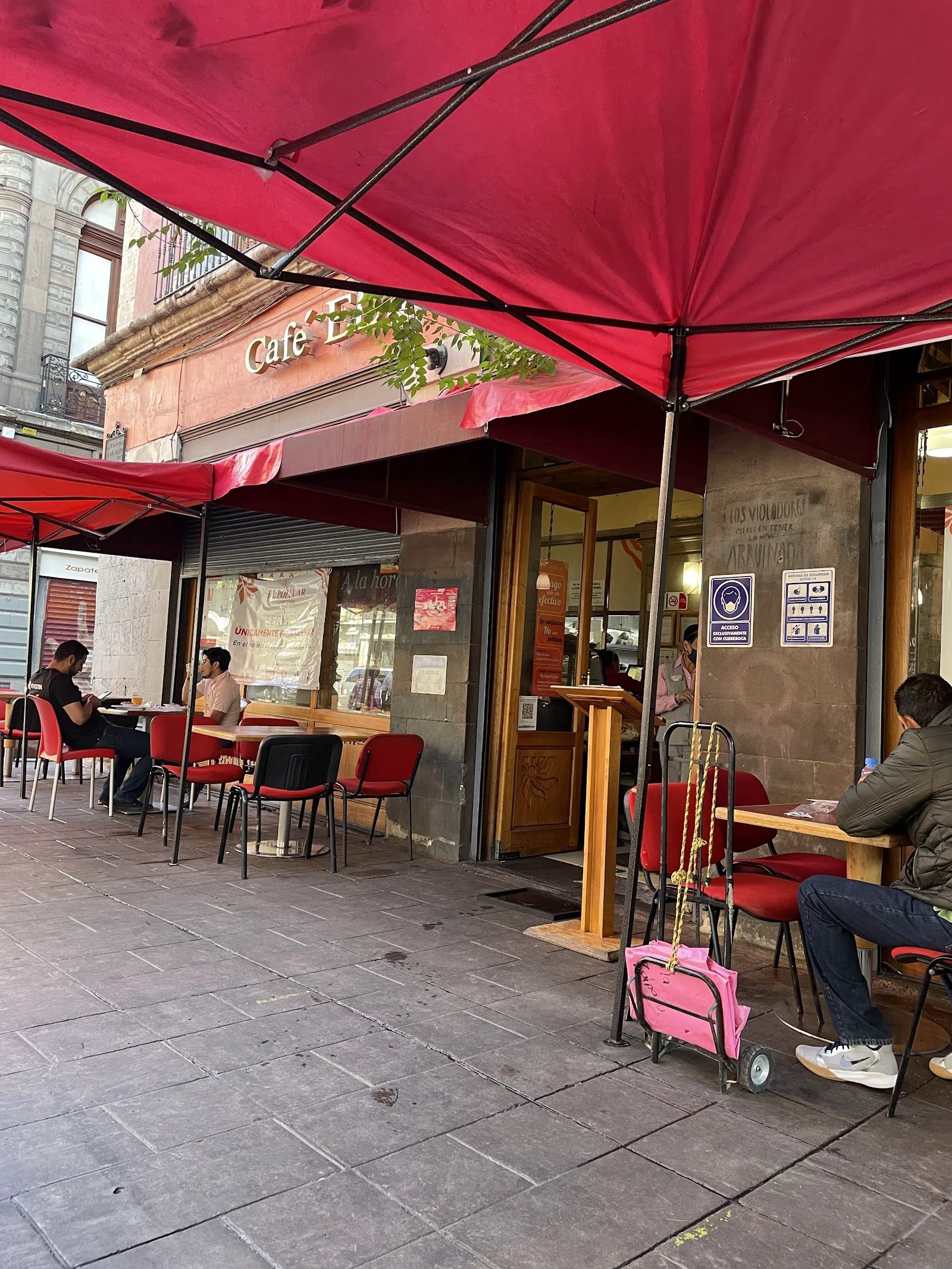
Café El Popular (Centro Histórico, a few doors along Cinco de Mayo) has been serving since 1949 and never closes, which makes it the honest 4am end to a night in the Centro. It is genuinely small, a dozen tables, a counter, a permanent queue, so treat it as a place for two to four at any hour, not a group plan. The weekend breakfast wait is real and can run half an hour. MXN 80 to 180.
Regina, La Merced and the quiet patios
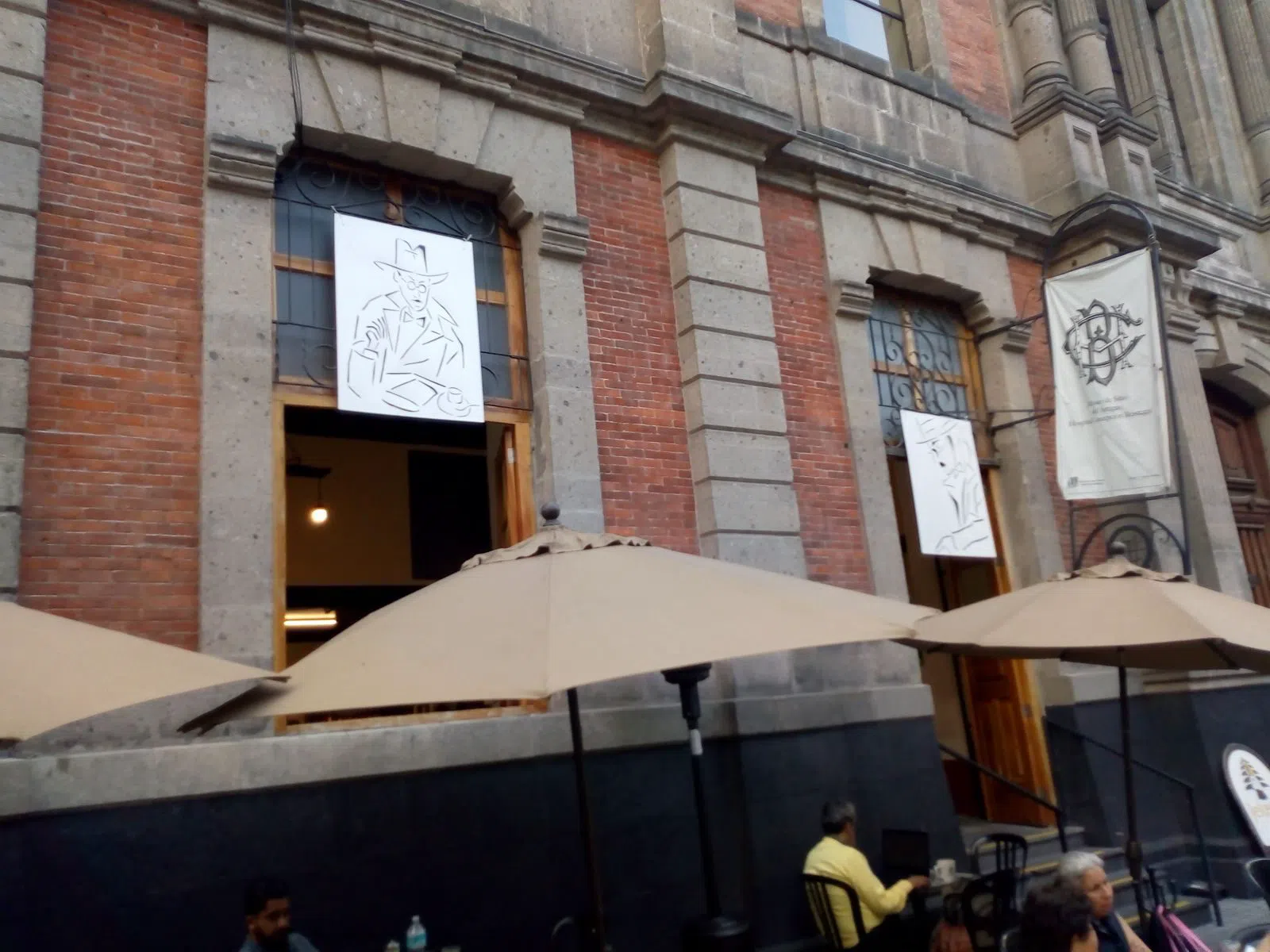
Café Jekemir (Centro Histórico, terrace on Regina) was founded in 1938 as Café Emir by Salomón Guraieb, who had arrived from Lebanon, and renamed Jekemir in 1997. Same family, same roast, and to my palate the best cup in the southern Centro. The terrace on the Regina walking street is the spot and works first-come, first-served; small groups of up to six are fine, more than that and you will be split across the pavement. MXN 60 to 150. Come mid-morning, when the street is awake but the sun has not yet flattened the terrace.
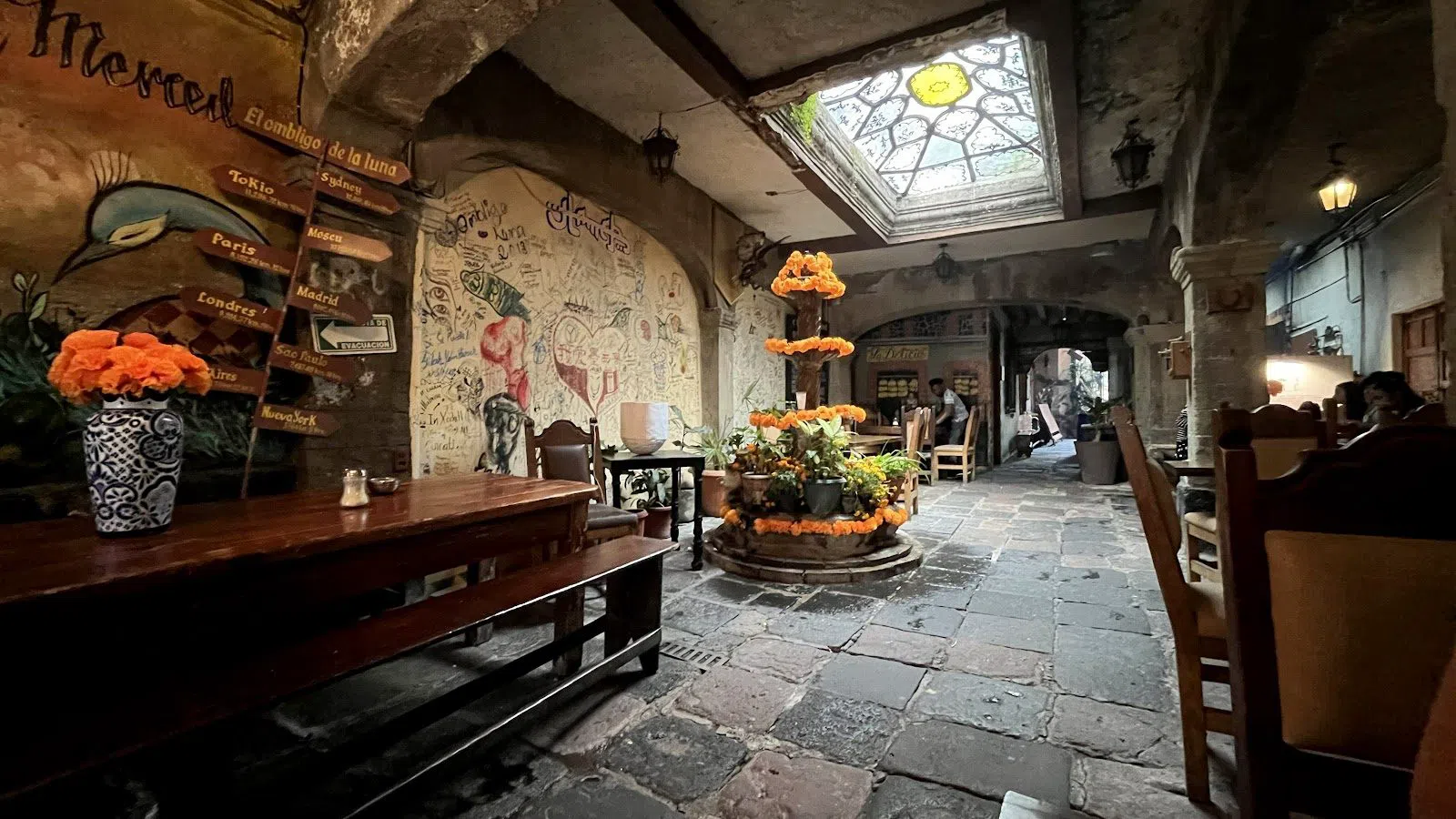
El Nuevo Café Bagdad (La Merced, on the small square in the market district) is the sleeper pick. A colonial courtyard, a fountain, birds, and the loudest wholesale market in the country roaring away one street over. That contrast is why you come. It sits on the square where the city itself is said to have begun. Open Monday to Saturday, 8:00 to 19:00, closed Sundays; the courtyard is comfortable for eight to ten if you call ahead for a big table. MXN 90 to 200.
After midnight
Churrería El Moro (Centro Histórico, on Eje Central) has run 24 hours a day since 1935 and is the correct answer to "where do we go now" at any hour after the kitchens close. Churros are extruded to order and the chocolate comes in four thicknesses, from a thin Spanish pour to a Mexican one you could nearly stand a spoon in. No bookings, counter and table service, and the queue moves fast because turnover is brutal. Groups are fine at the original 24-hour branch. MXN 70 to 160.
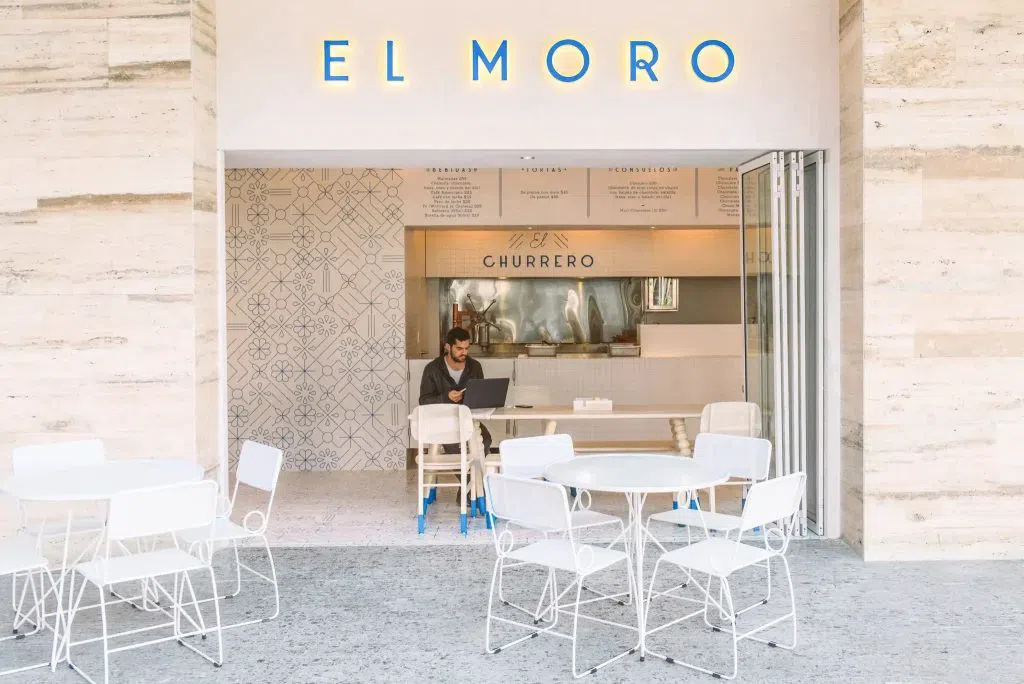
That gives you three genuinely all-night options in the Centro and the south: El Moro, El Popular, and the División del Norte branch of the Coyoacán institution below. Between them they make a slow night entirely possible without a bar.
Coyoacán, standing up and sitting down
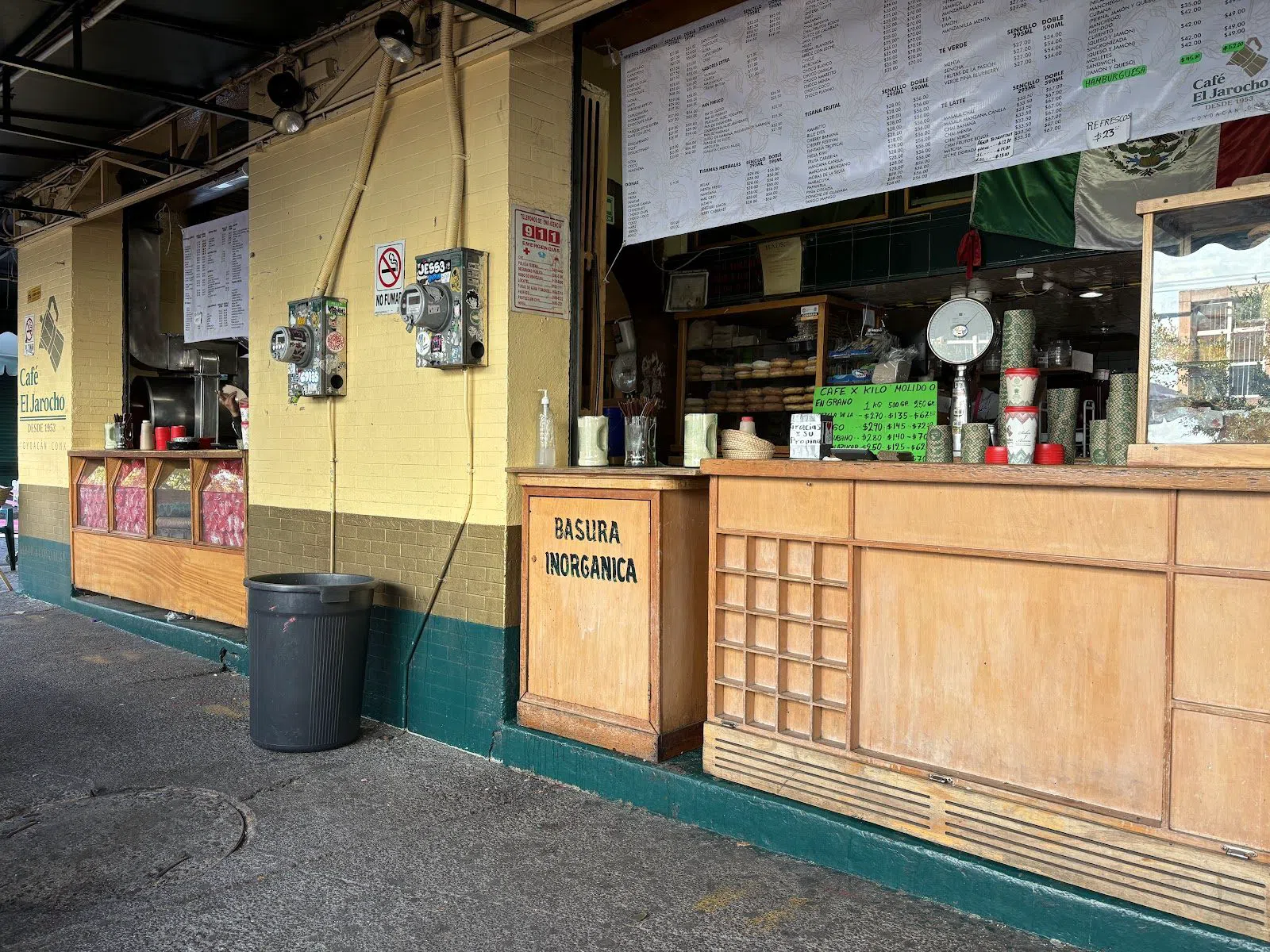
Café El Jarocho (Coyoacán, the Allende corner) has been going since 1953 and is now nine branches run by the founders' children; the Allende corner is the one to go to. There is no seating at all. You queue, you take a paper cup, and you spill out onto the street with everyone else before walking down to the plaza. That is exactly why it works for a group, because nobody has to be seated together. The flagship runs 6am to midnight; the División del Norte branch is open 24 hours. MXN 30 to 80, the cheapest good coffee in this guide by a distance.
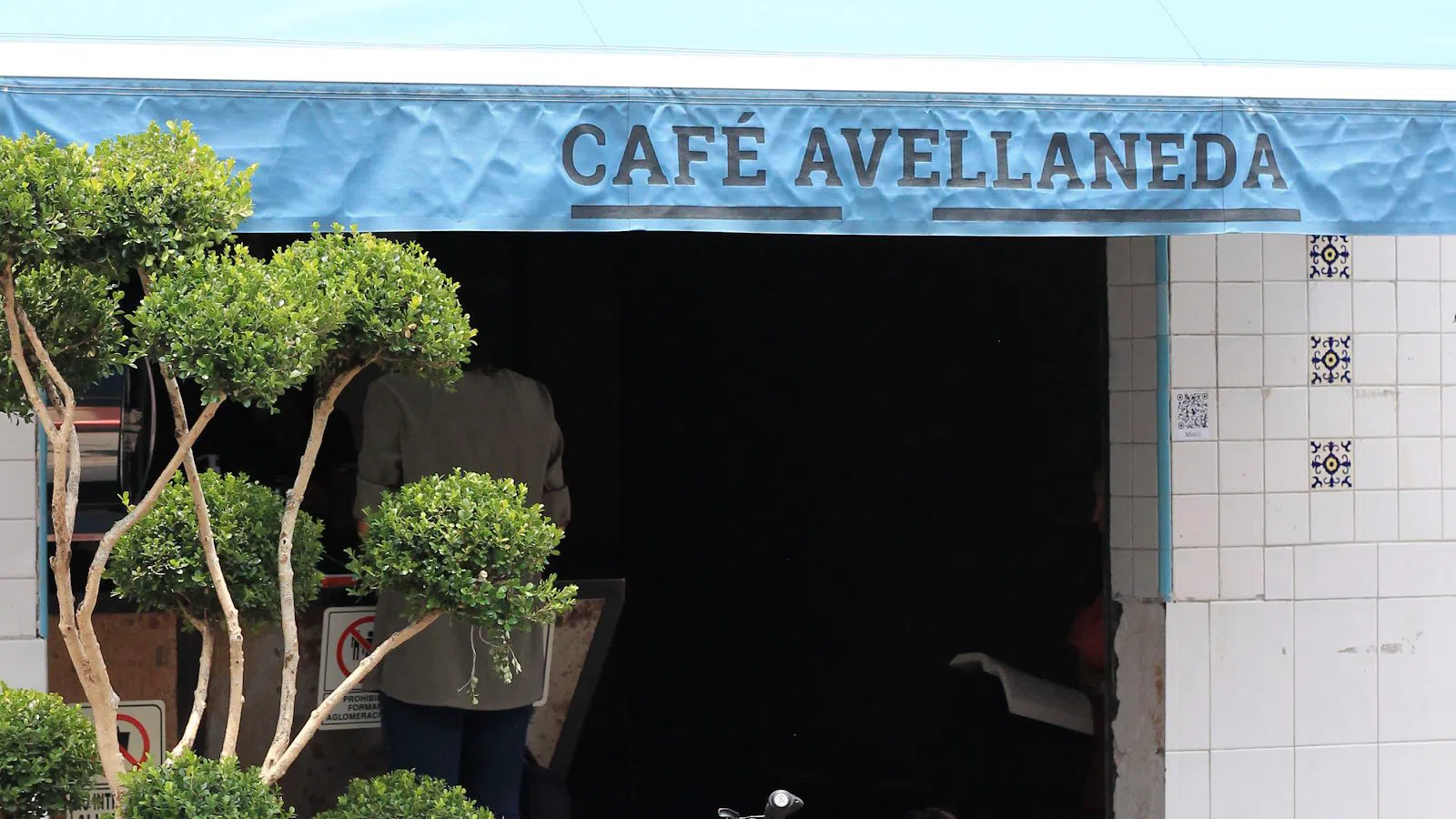
Café Avellaneda (Coyoacán, two streets from the Allende corner) is the counterpoint: the most precise coffee in the district, weighed and timed, from a room with a handful of seats. Be clear-eyed about the size, because it is tiny. Send couples and solo drinkers here and send the group to El Jarocho. MXN 60 to 140.
Roma, Condesa and the long tables
Los Bisquets Obregón (Roma Norte, the original on Álvaro Obregón) has traded since 1945 and is still nicknamed the Perla del Este. Café lechero at long tables, biscuits and conchas, open late, no reservations, and an entirely unbothered attitude to families and groups of ten. It has since become a chain, so send yourself to the original address and nowhere else. MXN 100 to 220.

Café Nin (Juárez) is Elena Reygadas's explicit homage to the literary cafés of the last century, the one modern room here designed for lingering rather than for laptops, and the pastry is world class. The communal table takes a group of eight comfortably. Weekend brunch is busy; book through OpenTable. MXN 200 to 450, the top of this list's range and worth it for a single long breakfast.
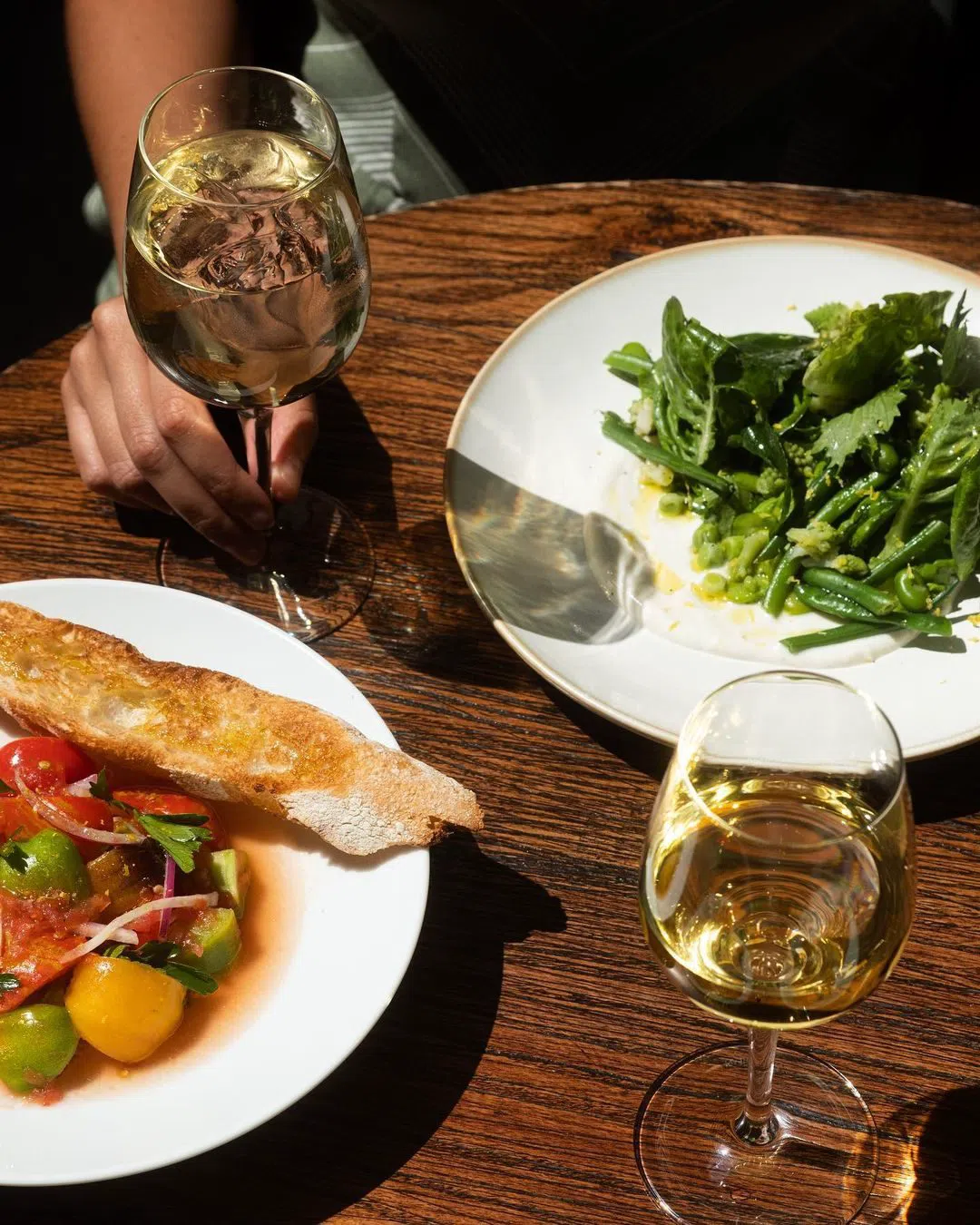
Cafebrería El Péndulo (Condesa and Roma Norte) began in Condesa in 1993 and has been named by The Guardian among the world's most beautiful bookshops. Big rooms, plants to the ceiling, live music on some nights, and late hours; the Roma branch runs to 1am from Thursday to Saturday. No reservations, very group-friendly, MXN 120 to 300. Stick to Roma and Condesa; the mall locations are a different proposition entirely.
The same ritual in a newer register
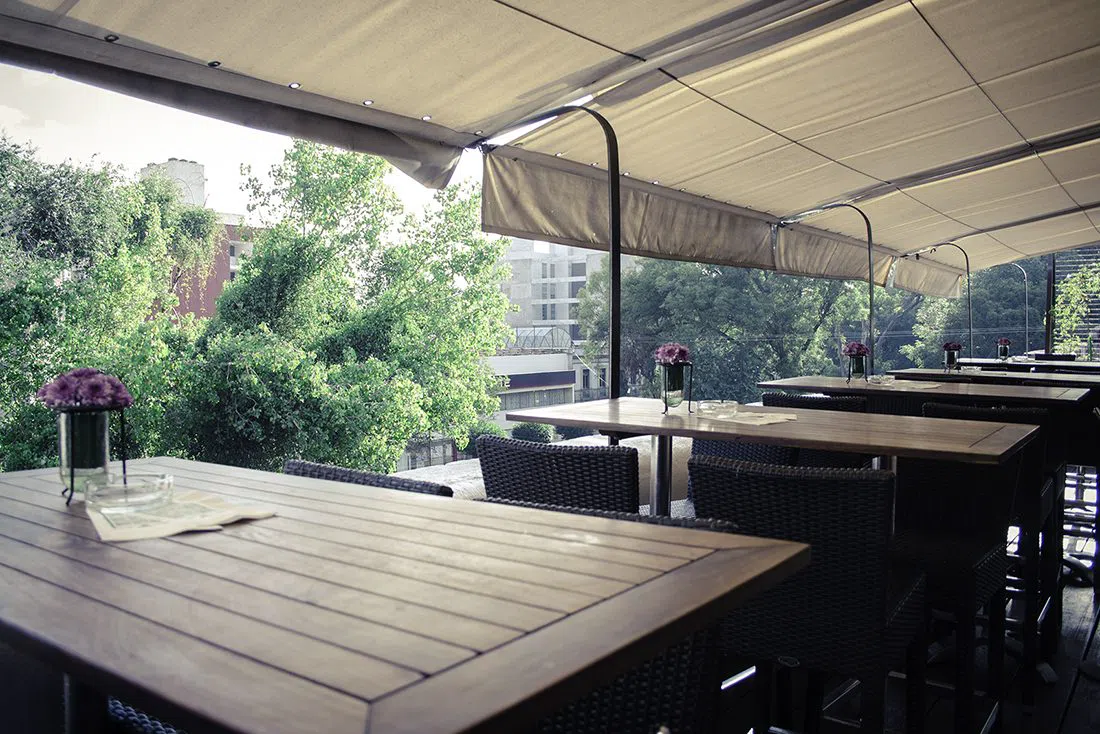
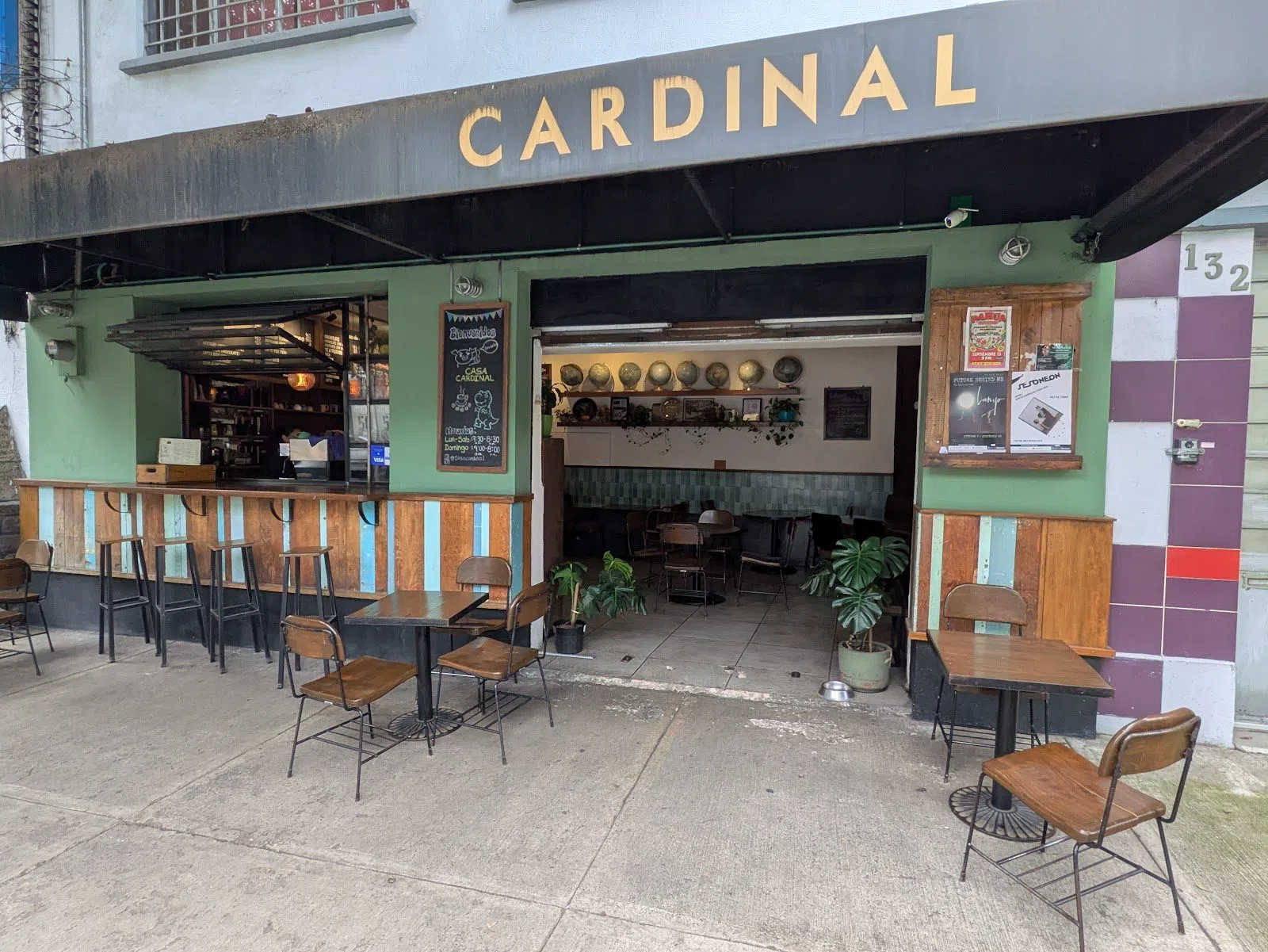
Cardinal Casa de Café (Roma Norte) opened in late 2017 and is the reference point for Mexican single origins. Ask about Veracruz against Oaxaca and the baristas will talk you through washed and natural lots for as long as you want to listen, which is sobremesa in a different key. Open plan, welcoming for four to six, no bookings, quietest mid-afternoon. MXN 70 to 160.
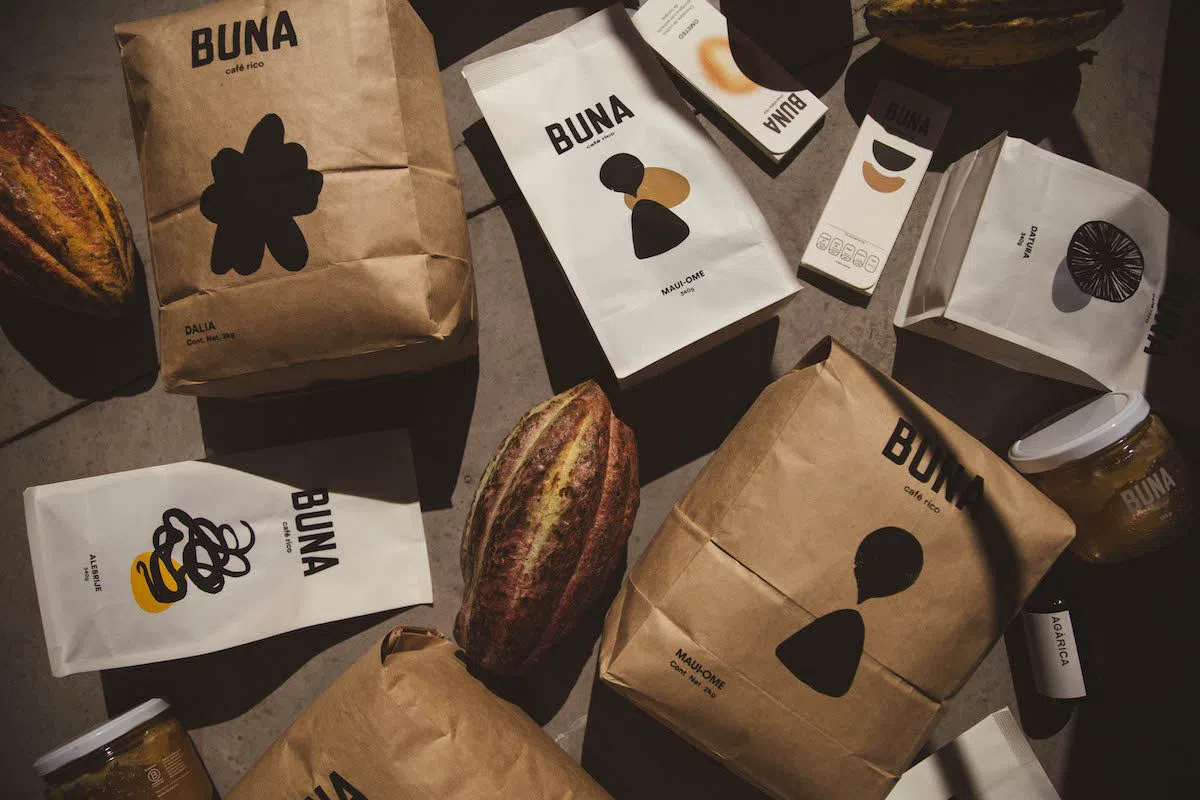
Buna (Roma Norte) buys Mexican beans only, direct, with a conservation programme behind the sourcing. The patio takes small groups, hours are 8:00 to 19:00 daily, no reservations. It is also the best place to buy beans and a bag of piloncillo-friendly roast to carry the ritual home. MXN 60 to 150.
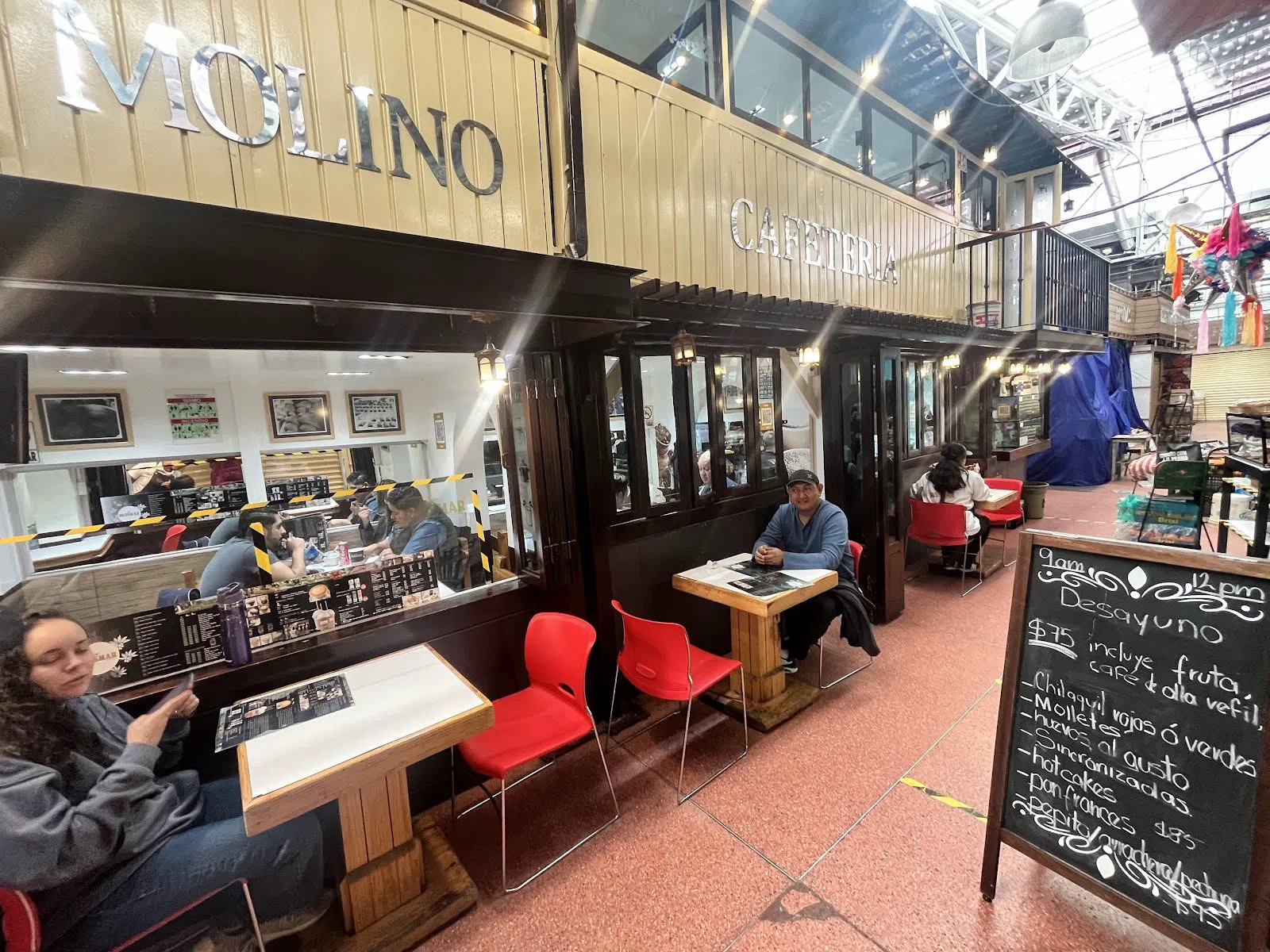
Café Passmar (Narvarte, inside the Mercado Lázaro Cárdenas) is a market stall with multiple national barista titles and a world latte-art runner-up behind the counter. There is a counter and a few stools, so this is for pairs and threes; a group of six will end up standing in the aisle holding cups. MXN 50 to 120, and the best value serious coffee in the city.
Who to send where
For six or more, the reliable rooms are Café de Tacuba, Sanborns de los Azulejos, Cafebrería El Péndulo, Los Bisquets Obregón and El Jarocho, where standing solves the seating problem outright. For two, the good ones are Café Avellaneda, Café Passmar, Café El Popular and the Jekemir terrace. For a group of eight who want a courtyard to themselves, call El Nuevo Café Bagdad on a weekday. And for the long afternoon that the whole idea rests on (one table, one pot, no plan), Café La Habana has no competition.
Planning the day
Most of these are walkable in clusters. The Centro group sits within fifteen minutes of Metro Bellas Artes and Allende, with Regina and La Merced a further short walk south and east. Roma and Condesa are best reached on Metrobús Línea 1 along Insurgentes; Narvarte is a few minutes further south from there. Coyoacán is the one that costs you time: allow a taxi or ride-hail from Roma, or take the Metro to Coyoacán or Viveros and walk fifteen to twenty minutes through the streets, which is pleasant and part of the point.
Carry cash. The historic cafeterías are cash-first in practice even where a card terminal exists, and small notes matter, because nobody at a MXN 40 coffee counter wants a 500. Tip 10 to 15 per cent in the sit-down rooms; the standing counters do not expect it. For a full day of three cafés, budget MXN 300 to 600 a head, rising past MXN 800 if Café de Tacuba or Café Nin anchors it.
Weekend breakfast between 9am and 11am is the crush everywhere, mid-afternoon from 3pm to 5pm is the calm window, and Sunday closes El Nuevo Café Bagdad entirely. The city sits at roughly 2,240 metres, and caffeine at that altitude lands harder than you expect on the first day. Drink water alongside, and make the third cup a chocolate. If you are still choosing a base, the Centro Histórico puts seven of these within walking distance of breakfast and Roma Norte puts five; compare rates on the Mexico City hotel search and pick the district that matches how late you intend to be out.
Before you go
What is café de olla, exactly?
It is simmered rather than brewed: coarse grounds go once into an unglazed clay pot with piloncillo (raw cane sugar in a cone) and a stick of cinnamon, sometimes orange peel or clove, then get strained into a small clay jarrito. The sugar goes into the pot, so it arrives sweetened. Ask for it poquito dulce if you want it lighter.
Which of these cafés are open 24 hours?
Three. Café El Popular on Cinco de Mayo has not closed since 1949, Churrería El Moro on Eje Central has run around the clock since 1935, and the División del Norte branch of Café El Jarocho is open 24 hours (the Allende corner in Coyoacán runs 6am to midnight).
Do I need to book anywhere?
Rarely. Café de Tacuba takes weekday reservations by phone or at [email protected] and is walk-in at weekends. Café Nin is worth booking through OpenTable for weekend brunch, and El Nuevo Café Bagdad likes a call ahead for a big table. Everywhere else is first come, first served, and there is no door policy.
Where can I take a group of eight or more?
Café de Tacuba (private rooms and a terrace), Sanborns de los Azulejos (a patio that seats hundreds), Cafebrería El Péndulo, Los Bisquets Obregón and El Jarocho, where nobody sits down so group size stops mattering. Avoid Café El Popular, Café Passmar and Café Avellaneda with a crowd, since all three are genuinely tiny.
How much should I budget, and do I need cash?
Roughly MXN 300 to 600 a head for a full day across three cafés, more if Café de Tacuba (MXN 180 to 450) or Café Nin (MXN 200 to 450) anchors it; a cup at El Jarocho is MXN 30 to 80. Bring cash in small notes, since the historic cafeterías and the market counters are cash-first in practice, and tip 10 to 15% where you sit down.