The Mexico City issue
Mexico City in December 2026: Weather, Zócalo Lights and Las Posadas
Light tunnels go up on the Zócalo, the pastorela ends in ponche and a piñata, posadas move onto boats on the Xochimilco canals, and the volcanoes are at their clearest.

By Tomás BautistaThe city, one market stall at a time
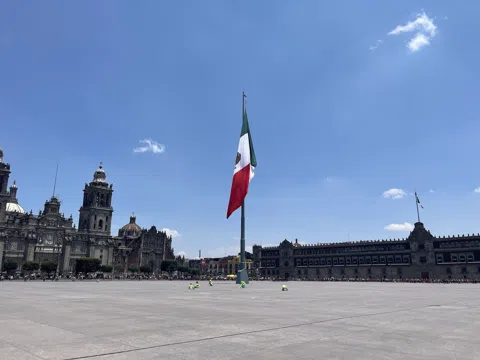
A huge lit Christmas tree and a giant nativity stand on the grey flagstones of the Zócalo each December, the twin-towered Metropolitan Cathedral floodlit behind them. Entry is free. The city government announces the exact 2026 dates in late November.
The Zócalo lights
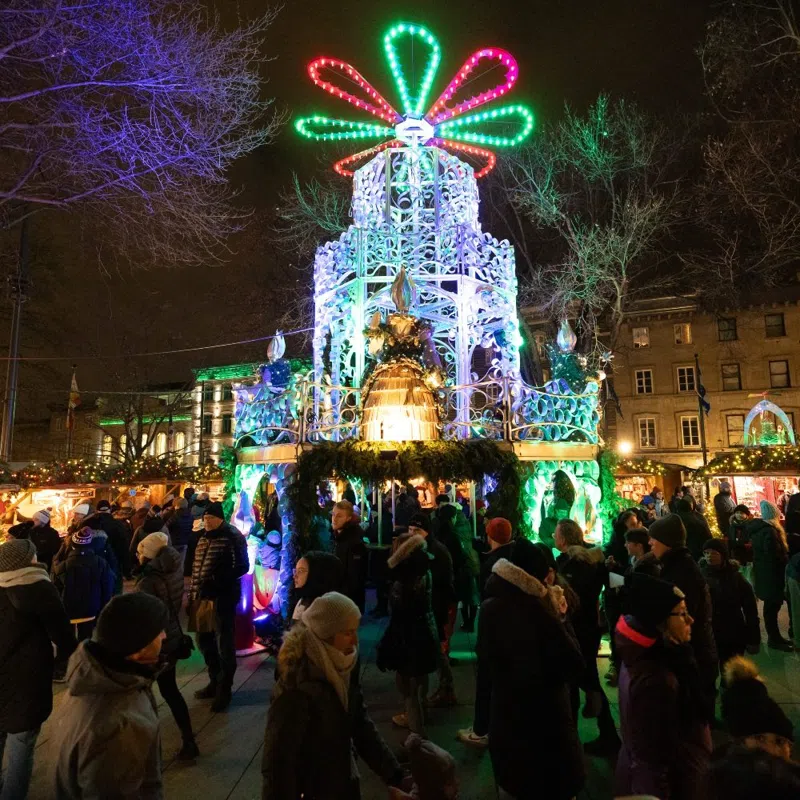
Verbena Navideña del Zócalo fills the main square from around 20 December to the first week of January. Walk-through light tunnels cross the plaza and an artificial-snow zone runs alongside the tree. Street antojitos cost $40 to $150 MXN.

The plaza is public and open-air, so there is no door policy. Go on a weekday evening to miss the worst of the crush, and confirm the dates before you build an itinerary around them.
Plan your Mexico City trip
Live prices from our booking partners.
Free cancellation on many rooms. We may earn a commission when you book.
Where the city buys Christmas
Mercado de Jamaica is a working wholesale market of 1,150 covered stalls, its aisles walled in crimson poinsettias. Nochebuenas are native Mexican plants, and this is their home ground. Oregon pines are stacked in the gangways at $1,200 to $2,500 MXN, ceramic nativity figures sit beside them, and seven-spiked clay piñatas hang overhead on ropes at $80 to $400 MXN.

December is the market's busiest month, and its best looking. The aisles are narrow, and four to six people move through them far better than a large group.
Mercado de Sonora stocks the whole posada supply chain in one low covered hall. Hundreds of seven-spike star piñatas and cartoon characters hang in dense rows above the party-goods aisle, priced at $60 to $350 MXN. It opens 09:00 to 18:00 Monday to Saturday, and until 17:00 on Sunday.

Go on a weekday morning. Fridays and Sundays are shoulder to shoulder. Past the piñatas the aisles turn to dried herbs, candles and esoteric goods, and that part of the market is a working religious space. Ask before photographing anyone.
Posadas a visitor can join

Centro Cultural Helénico in San Ángel stages the Tradicional Pastorela Mexicana nightly at 19:30, roughly 18 to 28 December. Devils in red horned costumes battle white-robed angels in a cloistered courtyard theatre, with mojiganga puppets and alebrijes towering behind them. When the show ends, the whole audience is handed ponche and Oaxacan tamales and a piñata goes up over their heads.
Seats are $450 to $900 MXN through Boletópolis or the box office, which blocks them for a group. If you want a real posada and have no local invitation, this is the way in.
Embarcadero Nuevo Nativitas in Xochimilco sends flat-bottomed trajineras under painted wooden arches that spell women's names in flowers, poled through narrow willow-lined canals between chinampa vegetable plots. A mariachi boat ties up alongside if you want one. One boat seats about 15 to 20 passengers and is hired whole at $750 MXN per hour, the official municipal rate, which is why December posadas are held on them.
Agree the rate and the duration at the dock before you board. Mornings are cold on the water. The canals warm up by midday.

Bazar Navideño de Coyoacán spreads craft stalls through Jardín Hidalgo and Jardín Centenario, under colonial stone arcades and clipped laurel trees near the twin-coyote bronze fountain. Hand-painted nativity figures and tin stars run $150 to $900 MXN, and a cup of ponche or chocolate is $40 to $70 MXN. Churro carts steam in the cold evening air. The gardens are free and unrestricted, and the streets around the central market still run traditional neighbourhood posadas.
Salón Los Ángeles is a cavernous 1937 ballroom in Colonia Guerrero, 89 years old and still trading through 2026, with danzón nights on Tuesday and Saturday. A live big band plays under strings of bulbs at one end of a vast worn wooden floor, and the slogan painted in red and gold reads "Quien no conoce Los Ángeles, no conoce México". The door is $100 to $200 MXN and long shared tables are the norm. Courtyard posadas survive in this barrio. Arrive and leave by taxi or ride-hail.

The Guadalupe feast on 12 December
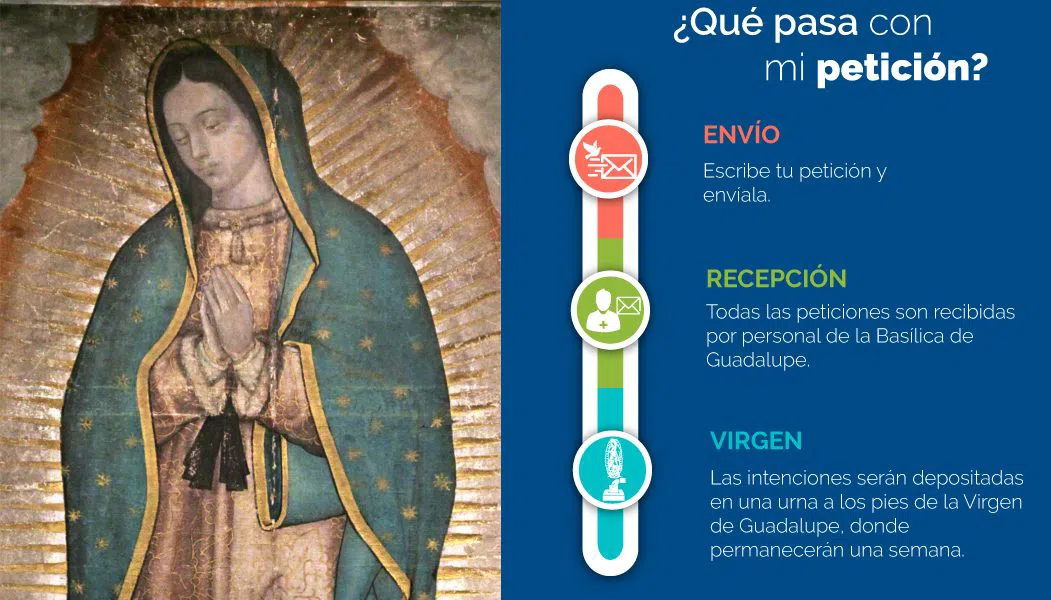
Basílica de Santa María de Guadalupe is a modern circular church with a sweeping green roof, standing beside the visibly tilting 18th-century old basilica. Entry is free and open to all. On 11 and 12 December the site handles millions, the plaza packed with pilgrims carrying Guadalupe banners and Matachines dancers in tall feather headdresses working through the crowd, with police-managed access routes.

The feast falls on a Saturday in 2026, which will swell a crowd already running at 8 to 10 million. If you go on those two days, agree a meeting point with everyone before you set out. Come on any other December day and the moving walkway past the tilma is quiet.
What the dry season buys you
Mirador Torre Latinoamericana is worth the climb in December for the weather alone. The dry air gives the clearest sightlines of the year, and Popocatépetl and Iztaccíhuatl are visible from the glass-walled open-air deck on mornings when the rest of the year shows only haze. The tiled dome of Bellas Artes sits directly below.

Tickets are timed and cost $220 MXN for adults and $170 MXN for children. The tower is open 09:00 to 22:00 daily, with last entry at 21:30. The deck gets tight at sunset. Take an earlier slot.
Sky Balloons Mx flies at dawn over Teotihuacán, about an hour from the city, where the December dry season makes a flyable morning close to certain. Striped envelopes inflate in half-dark, then drift over the Pyramid of the Sun at first light with the Avenue of the Dead still in shadow and dry gold scrubland running to the horizon. Flights cost $4,500 to $4,750 MXN per person including breakfast.

The operator is AFAC-certified and carries insurance per passenger, with more than 10 balloons taking two to 14 passengers each and a dedicated agency booking channel. Dress for near-freezing pre-dawn cold.
Evenings under a roof and under lights
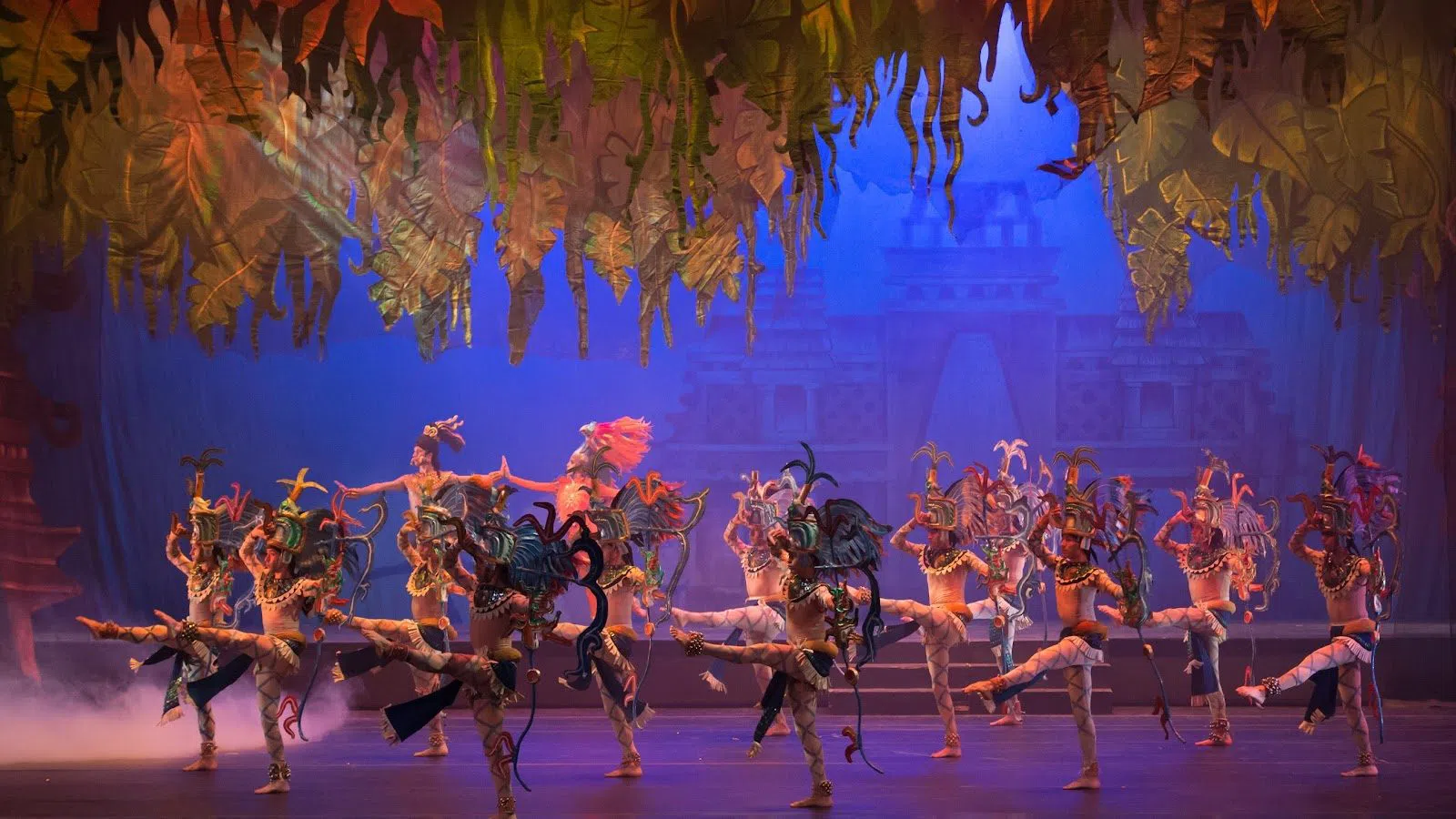
Palacio de Bellas Artes hosts the Ballet Folklórico de México de Amalia Hernández inside a white Carrara marble palace topped by an orange-and-yellow tiled dome. Dancers whirl wide ribboned Jalisco skirts, and the Tiffany stained-glass stage curtain shows the two volcanoes. Galería seats are $350 MXN, anfiteatro $1,350 MXN and luneta $1,600 MXN, sold through Ticketmaster MX or the box office, where a 20% family discount applies in cash at the window and 2-for-1 promotions run on Thursdays. If the stalls have gone, the gallery seat is worth it for the curtain alone.

Arena México in Colonia Doctores runs its flagship CMLL card on Friday at 20:30 and keeps going straight through December. Luchadores in sequined masks and capes work a spotlit ring in drifting haze while 16,500 tiered seats eat peanuts and shout. Tickets are $100 to $800 MXN depending on ring proximity, through Ticketmaster or the box office, and mask stalls trade outside the doors. It is the city's best-value night out. Buy a few rows back; ringside heckling is relentless and aimed at outsiders.
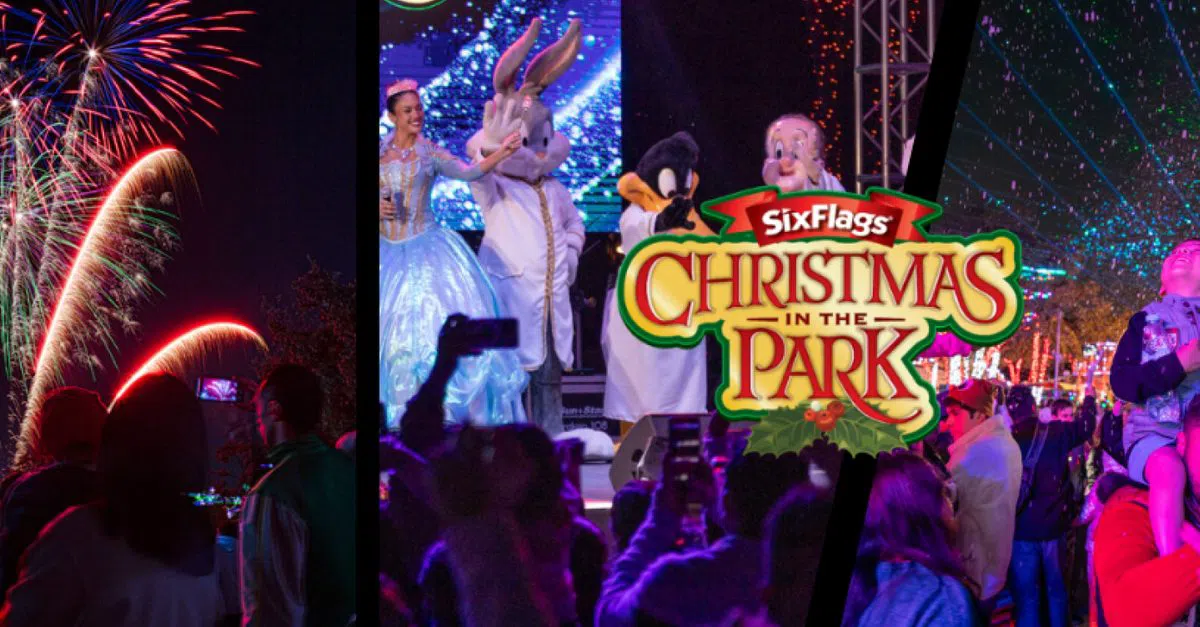
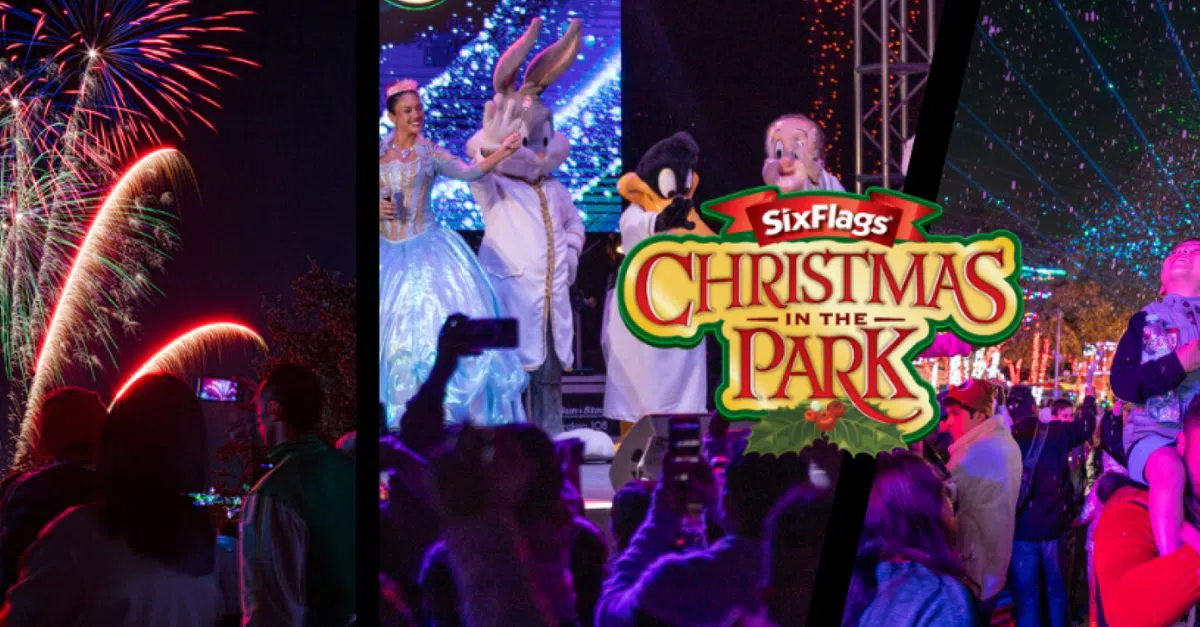
Six Flags México runs Christmas in the Park up in the high Ajusco forest at 2,600 m, with an illuminated night parade of floats carrying Looney Tunes characters in Santa hats, avenues of lit pines and roller-coaster track strung with lights. Of all the lights attractions in the city, this is the one whose schedule holds, and it runs into mid-January. General admission starts at $899 MXN and VIP at $2,800 MXN, with group and corporate rates available. Book a dated ticket and read the blackout calendar. The park closes on a handful of December dates, including the 24th.
Cold-night food and drink in the Centro
Churrería El Moro extrudes ribbons of dough from a brass machine into bubbling oil behind a white-and-blue tiled counter, and pours Spanish chocolate thick enough to stand a churro in. Churros plus chocolate is $60 to $120 MXN. Nights here drop to 6 to 8°C, and that cup is what people drink against it. Six branches trade across the city; the 1935 Eje Central original is open 24 hours, its neon sign burning over the street at 03:00, and it is the one with the history.

Café de Tacuba has been open since 1912 and was still trading in October 2026, in a 17th-century mansion dining room with blue-and-white Talavera tiled walls under a barrel-vaulted ceiling and dark oil paintings above the tables. An estudiantina in medieval capes and feathered caps serenades the room from Wednesday to Sunday afternoons. Mains run $180 to $350 MXN. Reviews rate the cooking unevenly. Come for the tamales, the mole poblano and the room. Upstairs private rooms take sizeable parties.

Pulquería Las Duelistas on Aranda street was founded in 1912 and is painted floor to ceiling with luminous prehispanic deity murals by Guillermo Carreño. More than 45 rotating curado flavours come in from Tlaxcala, poured bright into jugs at $50 to $120 MXN and drunk off mismatched stools on a tiled floor. Hours are 10:00 to 21:00 Monday to Saturday, and payment is cash in practice. The room is tiny and standing-room by evening, which works for four to six people. It is a short walk from the Zócalo lights.

Planning notes
Book the pastorela seats and a dated Six Flags ticket before you travel, and decide early whether you want the Basílica on 11 and 12 December or on a quiet weekday instead. Las Duelistas closes on Sunday, and the Verbena's 2026 dates only land in late November.
See the Mexico City guide and the Mexico City hotel search.
Before you go
When do the Zócalo Christmas lights run in December 2026?
The Verbena Navideña del Zócalo usually opens around 20 December and runs into the first week of January. The city government confirms the exact 2026 dates in late November, so check before you plan a day around the plaza. Entry is free, and street antojitos cost $40 to $150 MXN.
How cold does Mexico City get in December?
Nights drop to 6 to 8°C, which is when locals head to Churrería El Moro for thick chocolate. The dry air also makes it the clearest time of year to look out from the Mirador Torre Latinoamericana. Pre-dawn at a Teotihuacán balloon launch is near freezing, and the Xochimilco canals stay cold all morning until the water warms by midday.
Can a visitor join a posada without a local invitation?
Yes. The Tradicional Pastorela Mexicana at Centro Cultural Helénico ends with ponche, Oaxacan tamales and a piñata broken over the audience, nightly at 19:30 from about 18 to 28 December. At Embarcadero Nuevo Nativitas you hire a trajinera whole for $750 MXN an hour, and December posadas run on board. The streets around Coyoacán's central market keep up their own neighbourhood posadas.
How bad are the crowds at the Basílica de Santa María de Guadalupe on 12 December 2026?
In 2026 the feast falls on a Saturday, which will push a crowd of 8 to 10 million across 11 and 12 December higher still. Police manage the access routes. Entry is free. Agree a meeting point before you go on either day, or come on any other December day, when the moving walkway past the tilma is quiet.
Is Six Flags México open on Christmas Eve?
No. Christmas in the Park shuts on a few December dates, the 24th among them, so check the blackout calendar and book a dated ticket. It runs into mid-January. General admission starts at $899 MXN, VIP at $2,800 MXN, and there are group and corporate rates.