Mexico City doesn't have a downtown so much as a constellation of downtowns, each with its own plaza, its own hour for lunch, its own idea of what a Saturday is for. Land in one neighborhood and you might be walking colonial stone streets under church bells; drive twenty minutes and you're inside an Art Deco grid built around a converted racetrack. The megalopolis grew by absorbing whole villages — colonial-era pueblos, monastery towns, streetcar suburbs — without ever finishing the job of making them into one city, and that unfinished quality is most of the appeal.
This guide takes five of the most legible of those villages in turn: Coyoacán, San Ángel, Roma, Condesa, and Santa María la Ribera. Each still behaves like a town with its own center of gravity — its own market, its own architectural logic, its own crowd — and each rewards a slow half-day rather than a rushed stop between bigger sights. Treat them as separate trips, not a single afternoon's checklist.
Coyoacán: The Village That Never Stopped Being a Village
Coyoacán was an independent town for most of its history, folded into the sprawling capital only as the twentieth century went on, and it still behaves like it never got the memo. The plazas at its center — Jardín Centenario and Plaza Hidalgo — are where the neighborhood actually lives: shoeshine stands, marimba players on weekends, families parked on benches through the evening. Two stops anchor a visit here for anyone traveling with a group or working to a schedule.
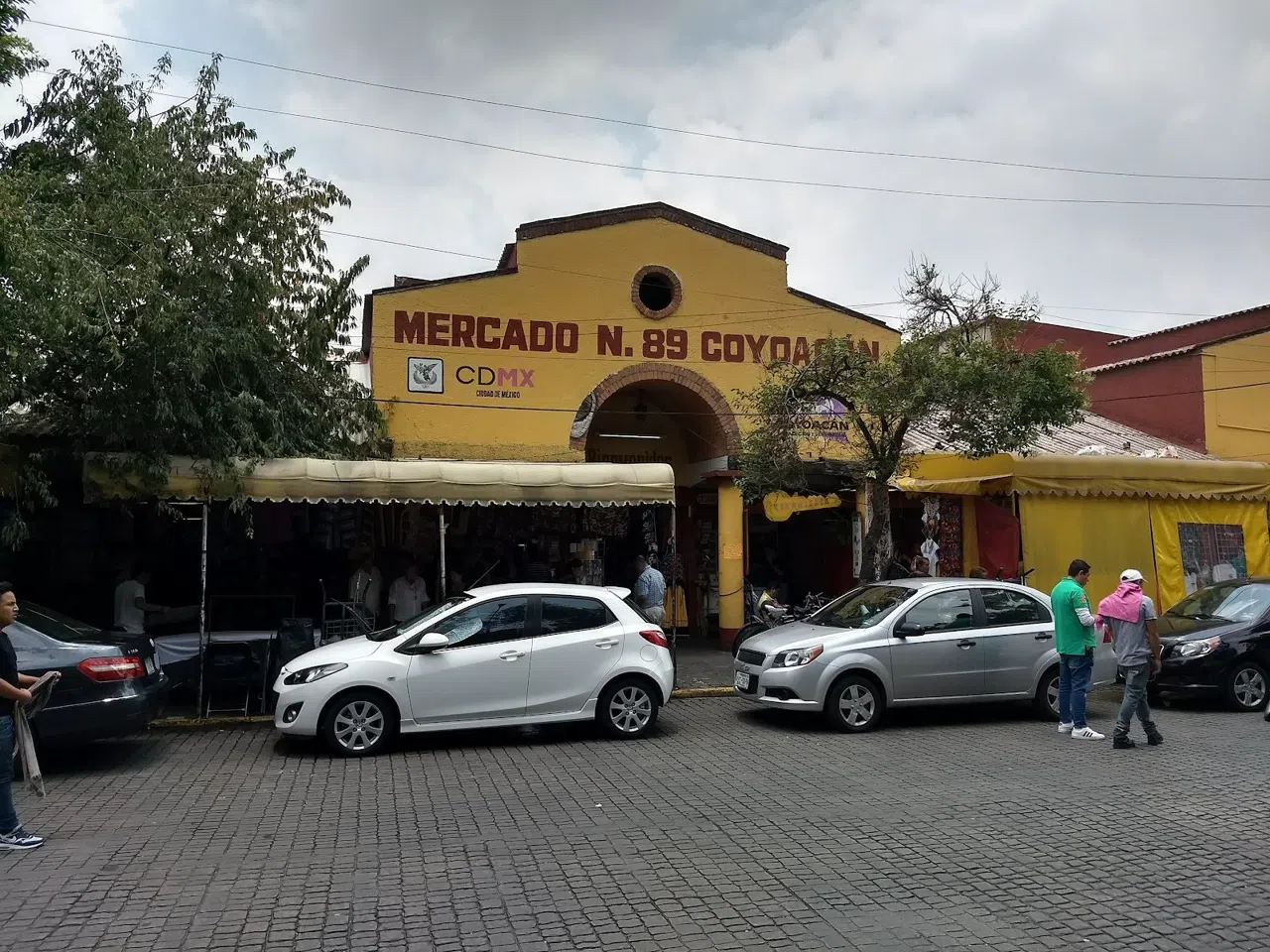
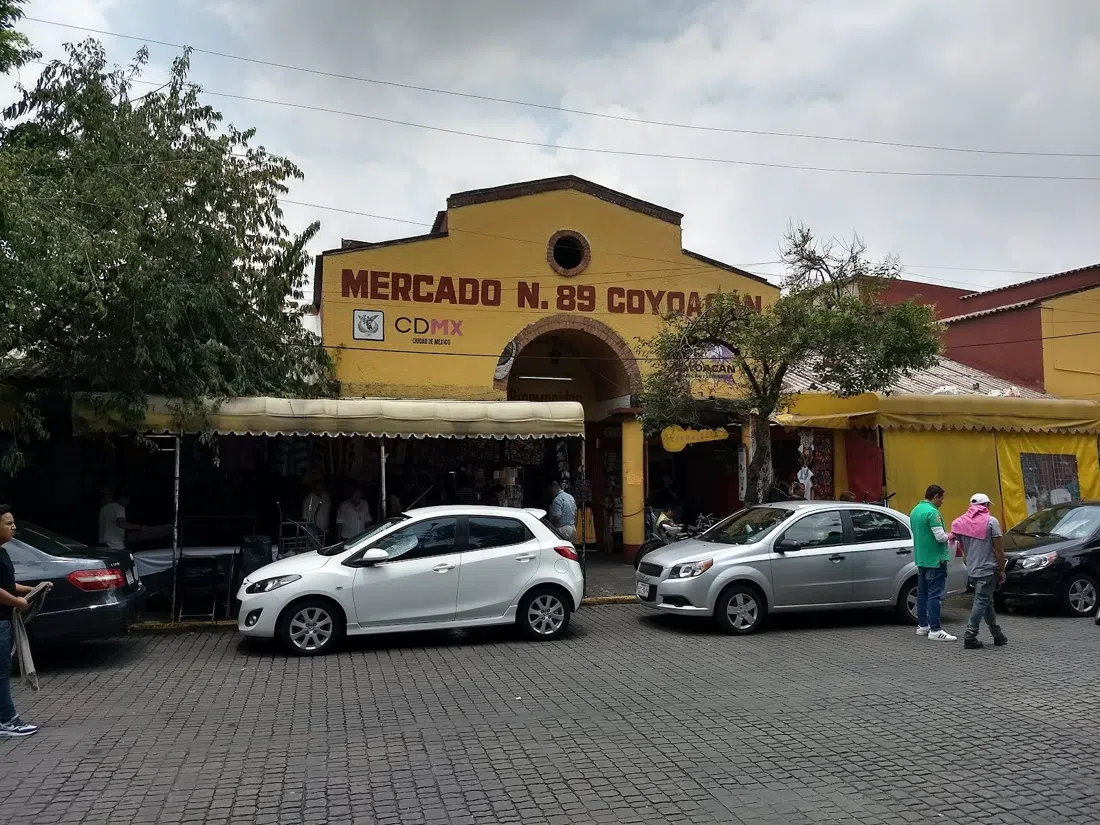
Mercado de Coyoacán (Coyoacán) is the neighborhood's daily-life anchor, a few blocks from the Frida Kahlo house, and it's the classic tostada-and-tamale stop for a reason — the communal counters absorb a group without anyone needing a reservation. It's walk-in only, open daily 8am–6pm, and priced for locals ($): expect to eat well for the cost of a coffee back home. Go for lunch rather than breakfast — the tostada stalls hit their stride mid-morning and the market fills up fast after noon.
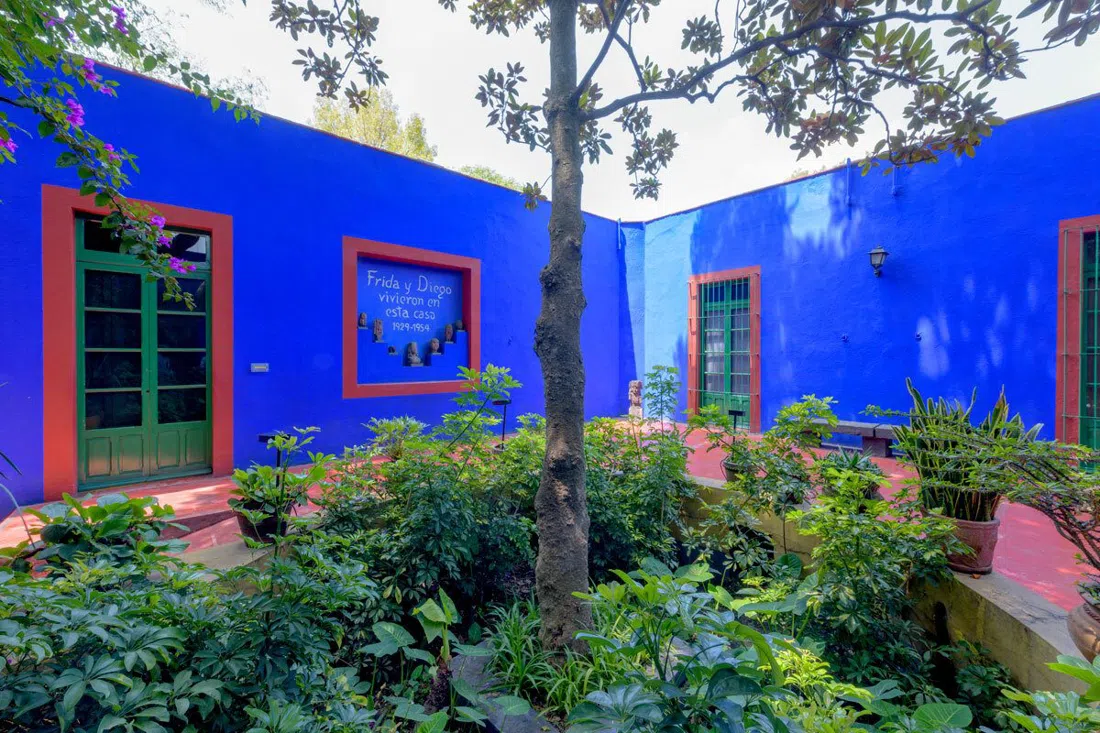
A few streets over sits Museo Frida Kahlo (Casa Azul) (Coyoacán), the cobalt-blue house where Kahlo was born, lived, and died, and now the most visited house-museum in the city. The one thing worth stating plainly for anyone planning from abroad: tickets are sold online only, in timed slots, and they routinely sell out weeks in advance. This is not a same-day, queue-up museum. If a group is coming, lock in the slots the moment travel dates are fixed — not the week before. Entry runs $$; budget an hour and a half inside, more if the courtyard garden is busy.
Together, the market and the museum make the case for Coyoacán as the most complete "village" experience in the city: a plaza to sit in, a market to eat in, and a house that explains why the whole neighborhood still feels personal rather than curated for visitors.
San Ángel: Cobblestones, Convents, and a Saturday-Only Market
San Ángel sits just north of Coyoacán but reads differently — steeper cobblestone streets, walled gardens, a churchier and more aristocratic quiet, a legacy of its centuries as a monastery town on the road out of the capital. Its rhythm is built almost entirely around one day of the week.
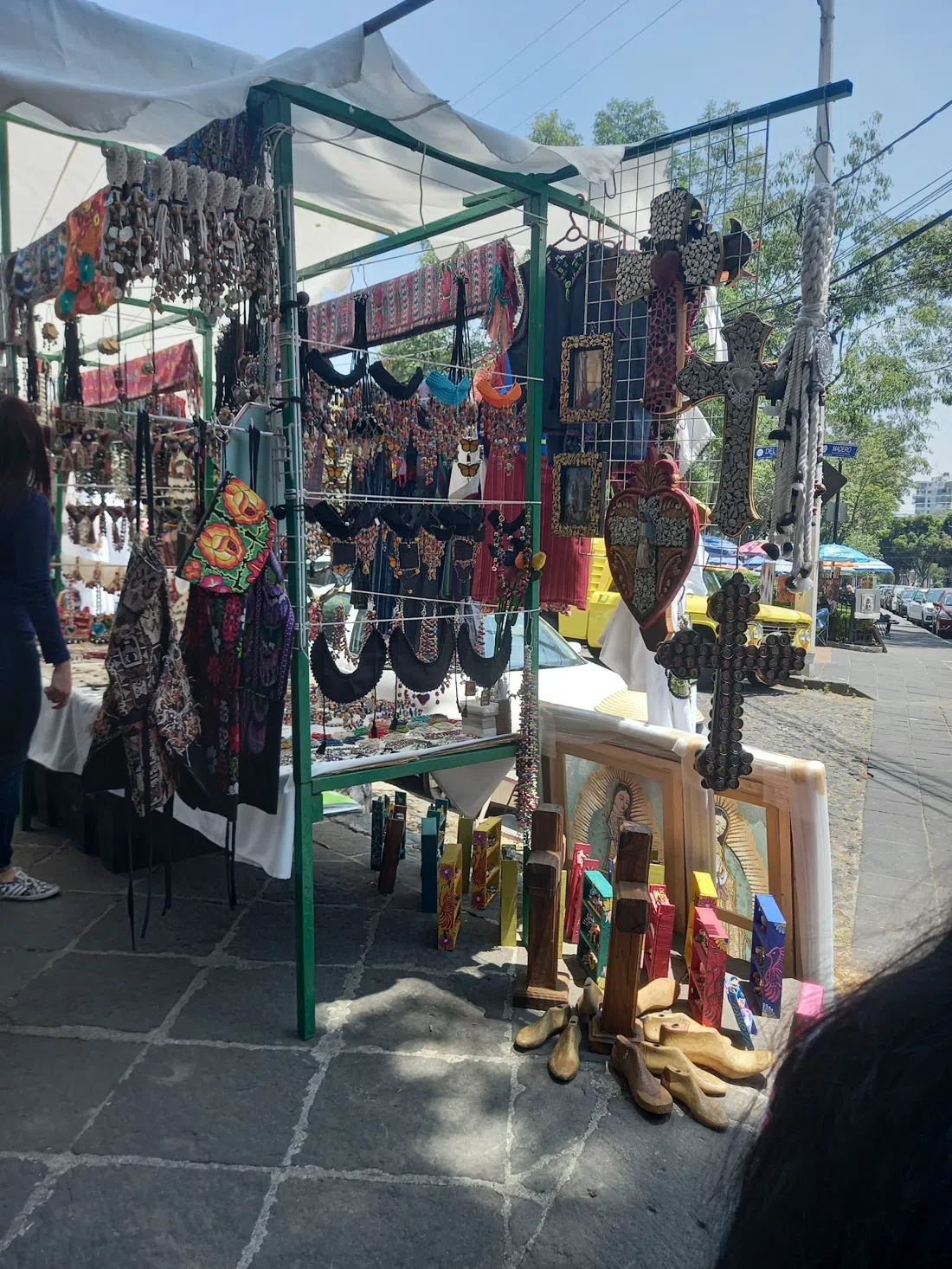
Bazar Sábado (San Ángel) is San Ángel's signature institution, and the name is literal: it runs Saturdays only, in the open-air Plaza San Jacinto and the streets around it. This matters for itinerary planning — arrive on a Tuesday and there's a lovely quiet plaza and nothing to buy; arrive on a Saturday and it's genuinely one of the better craft markets in the country, leather goods, silverwork, textiles, and paintings sold by working artisans rather than souvenir importers. Entry is free; pieces range from a few hundred pesos to serious money ($–$$$). It's an easy market for a group to browse loosely and regroup later, since nobody needs to move at the same pace.
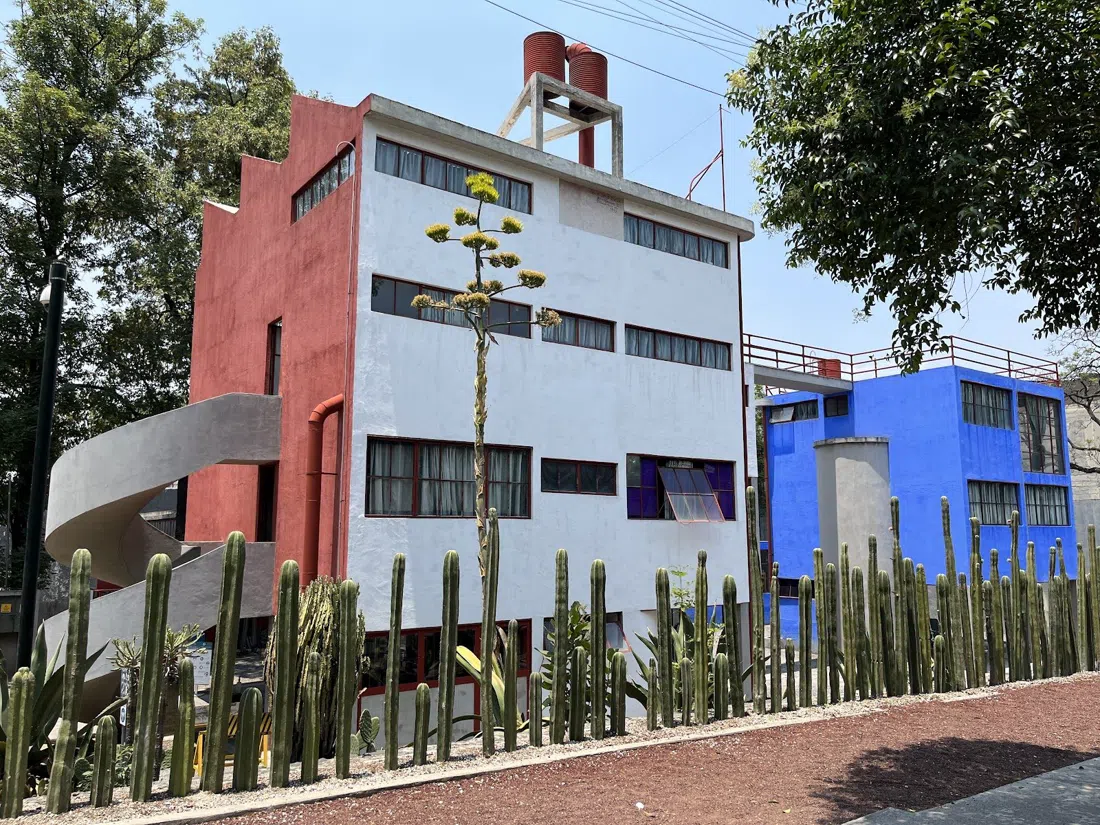
Two museums round out San Ángel and pair naturally with a Bazar Sábado morning. Museo Casa Estudio Diego Rivera y Frida Kahlo (San Ángel) is the Bauhaus counterpoint to Coyoacán's cobalt-blue house — twin functionalist boxes designed by Juan O'Gorman, connected by a narrow bridge, where Rivera and Kahlo lived and worked separately under one roof. It's small-group friendly at standard museum entry ($), open Tuesday to Sunday, 10am to 5:30 or 6pm depending on the season. Seeing it directly before or after Casa Azul is the single best way to understand the Rivera–Kahlo story as architecture rather than gossip.
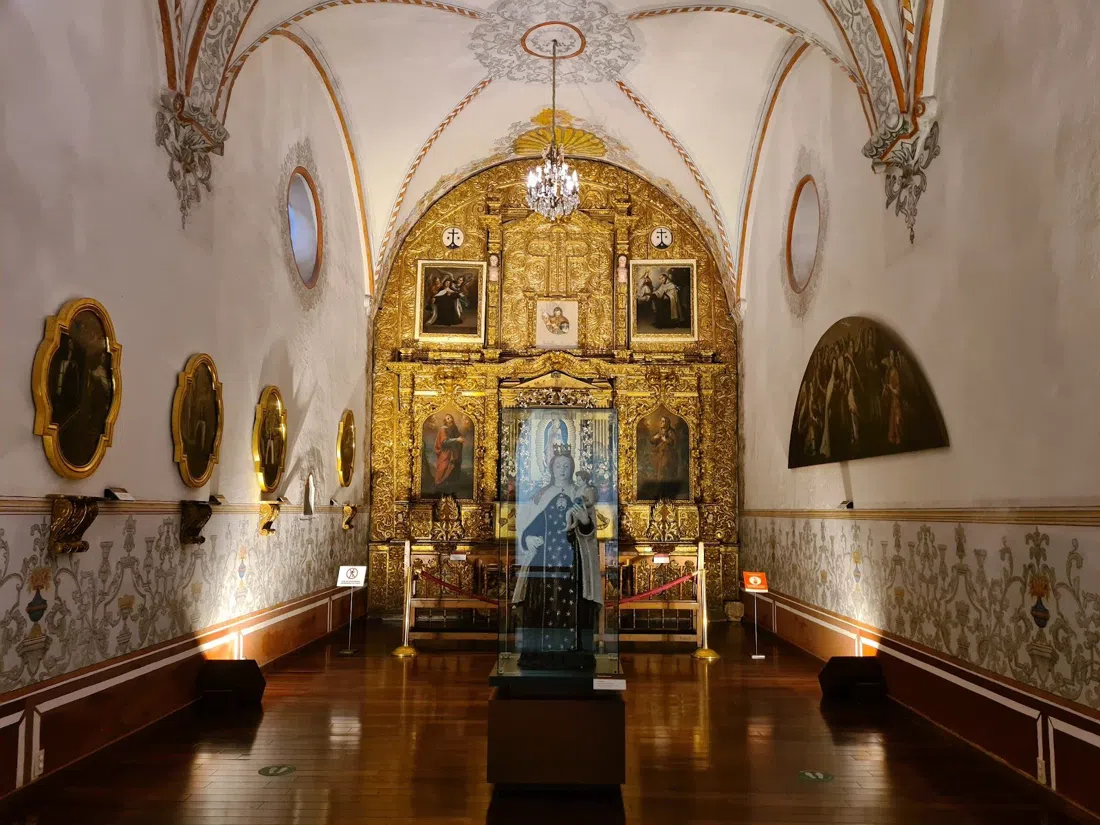
Museo de El Carmen (San Ángel) is the neighborhood's oldest surviving structure, a seventeenth-century Carmelite monastery, and its darker footnote: a crypt holding a small collection of naturally mummified bodies, discovered by looters early in the twentieth century. It's an easy standard-entry stop ($), Tuesday to Sunday, 10am to 5pm — worth twenty unhurried minutes rather than a full afternoon, but a genuine change of tone from the market outside.
Roma: The Gentrified Grid
Roma is the neighborhood international visitors already half-know by name, and it earns the reputation on food more than architecture, though the Porfirian-era mansions along Álvaro Obregón are worth the walk on their own. It was laid out as an elite suburb in the early twentieth century, fell out of fashion for decades, and has spent the last two rebuilding itself into the city's most talked-about restaurant district.
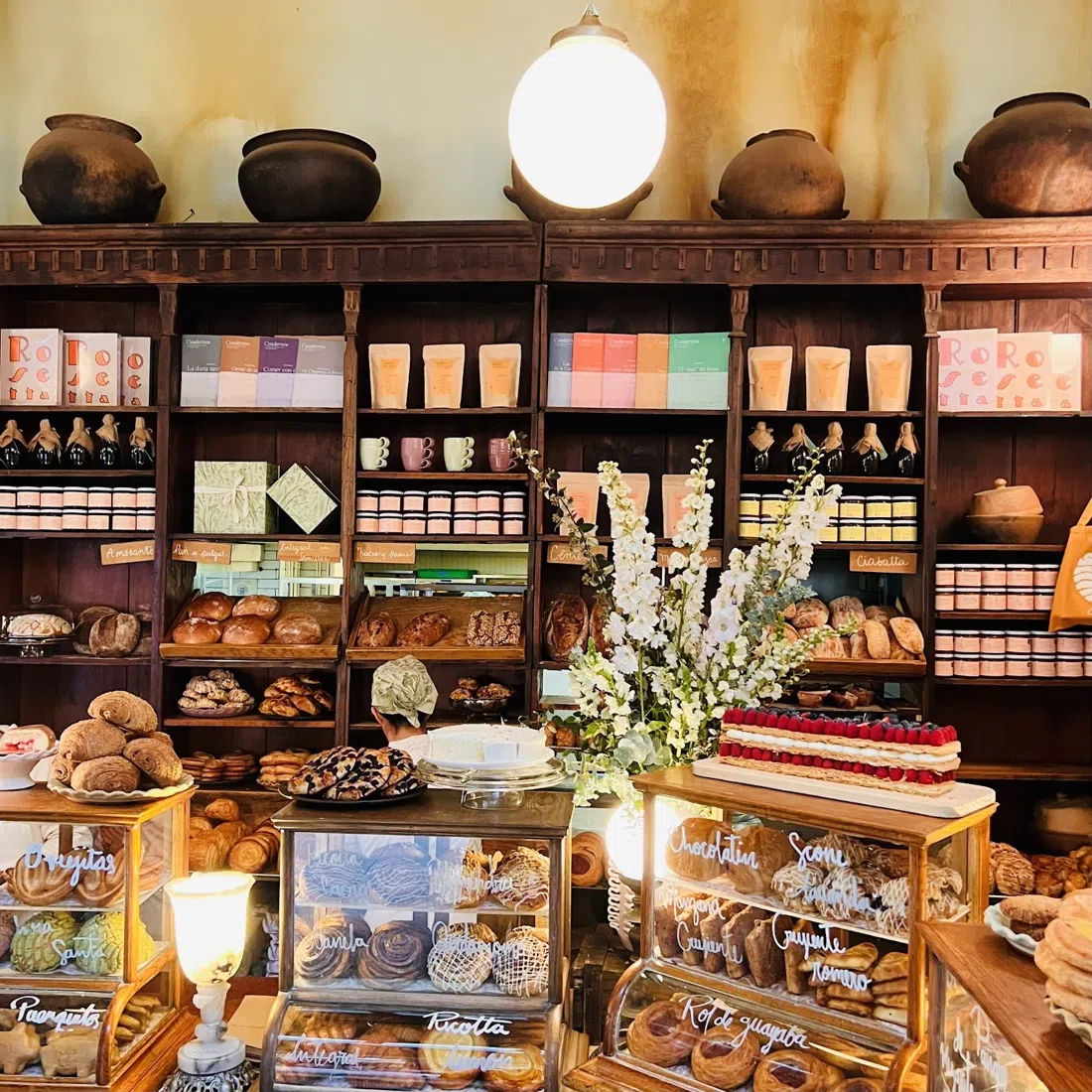
Panadería Rosetta (Roma) is chef Elena Reygadas's bakery — a 2026 La Liste Discovery Gem Award winner — and it produces the single most photographed pastry in the neighborhood, the guava concha. It's counter service, fine for small groups, but there's no seating reservation system, so mornings mean a short wait for a table and no wait at all for a bag to take with you. Priced modestly for what it is ($).
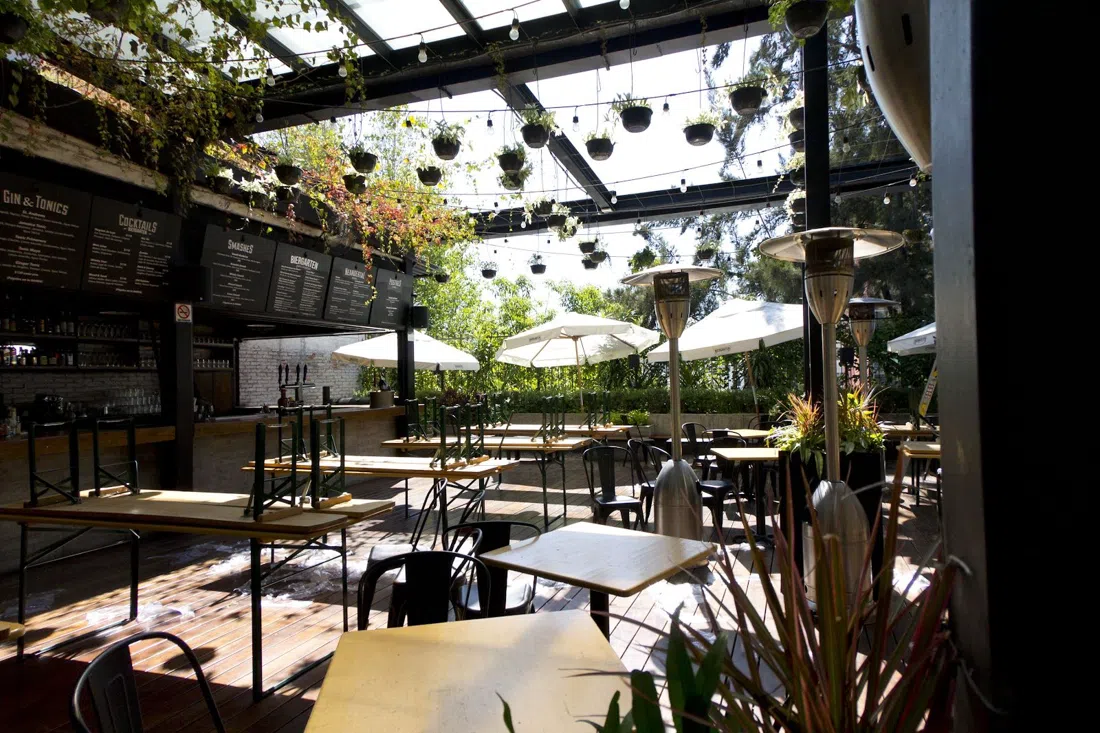
Mercado Roma (Roma) is worth visiting specifically as the counter-argument to Mercado de Coyoacán: same format, food stalls under one roof, but built for a different crowd — a curated, gentrified version of the traditional mercado, with a rooftop bar on top. The ground floor is a large open space that handles groups easily without reservations; the rooftop takes bookings for bigger parties. Prices sit a notch above a traditional market ($$).
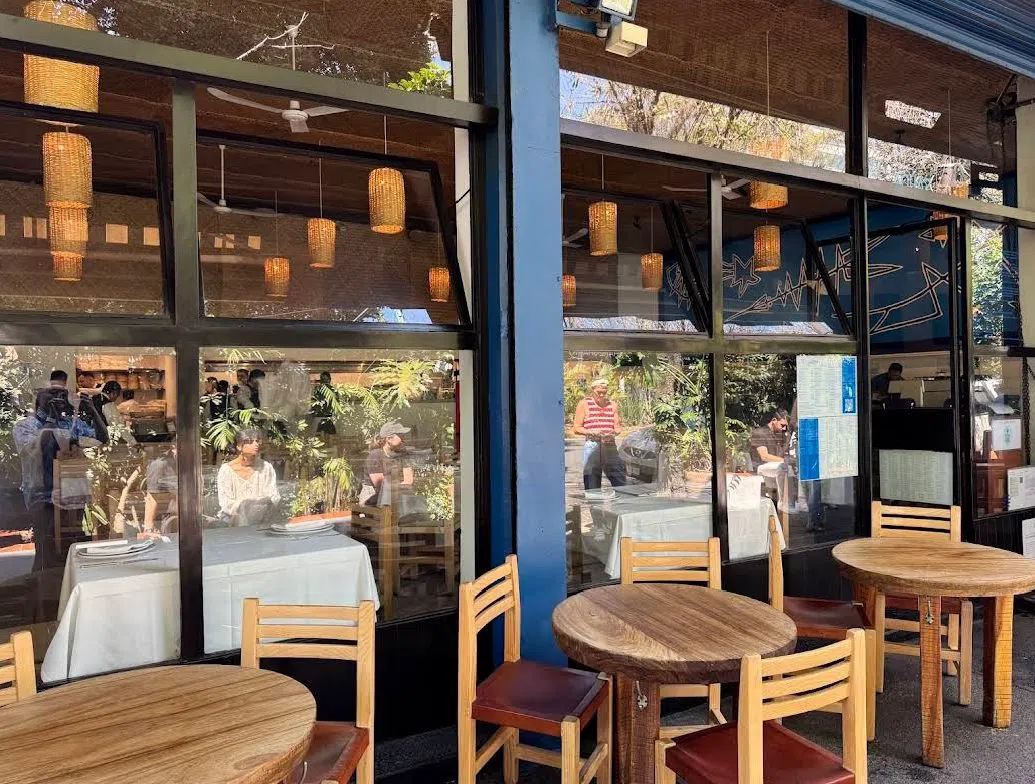
Contramar (Roma) is the Roma institution most visitors have heard of before they land, built on a whole grilled tuna dish split down the middle — one side red, one side green — and a dining room that runs almost entirely on lunch. It does not open for dinner. It handles large lunch parties well, but only with reservations, and the popular slots go fast; book as far ahead as the schedule allows, particularly for a group. Expect $$$.
Condesa: Art Deco Around a Racetrack
Condesa is Roma's neighbor and its architectural opposite: curving streets, low Art Deco apartment blocks, and a park at the center that explains the whole layout.
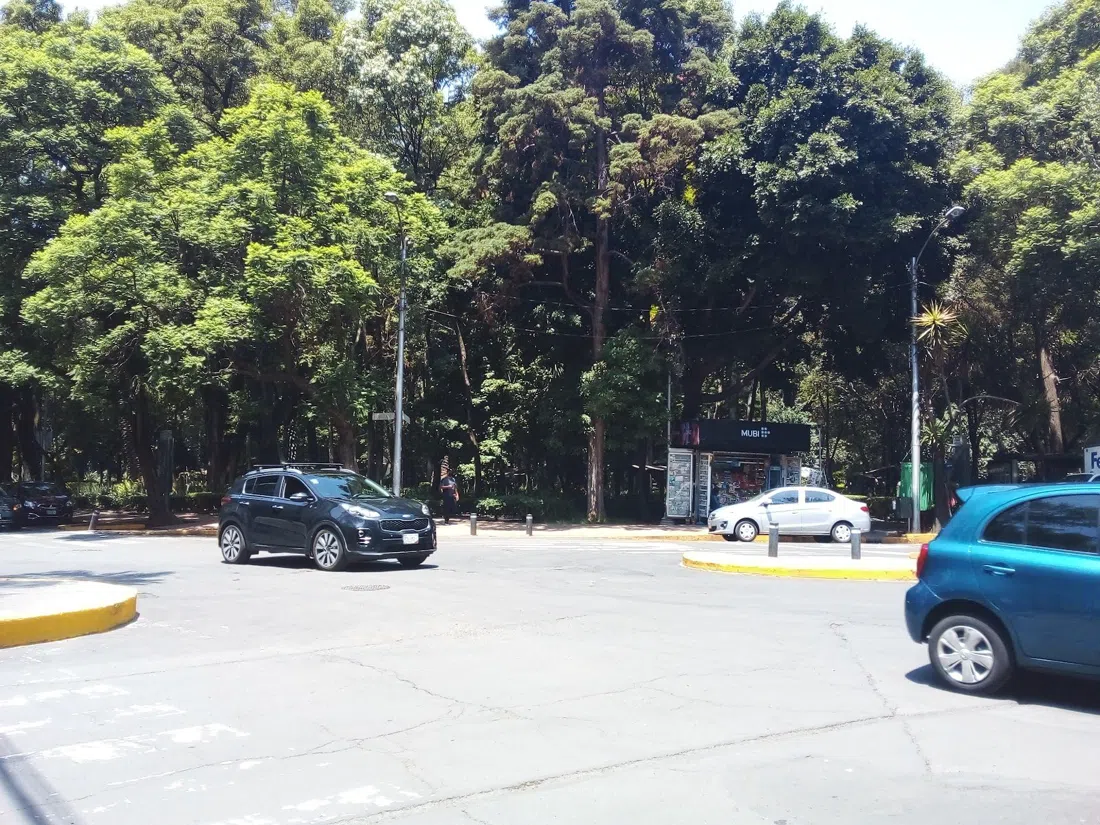
Parque México (Condesa) was built directly on the footprint of the old Jockey Club racetrack, and the oval shape of the park — plus the streets that fan out from it — is the clearest physical proof that Condesa developed as its own planned suburb rather than a simple extension of the city grid. It's a public park with no capacity limit and no cost, open all day, good for a slow walk or a bench-and-people-watch hour between museum stops.
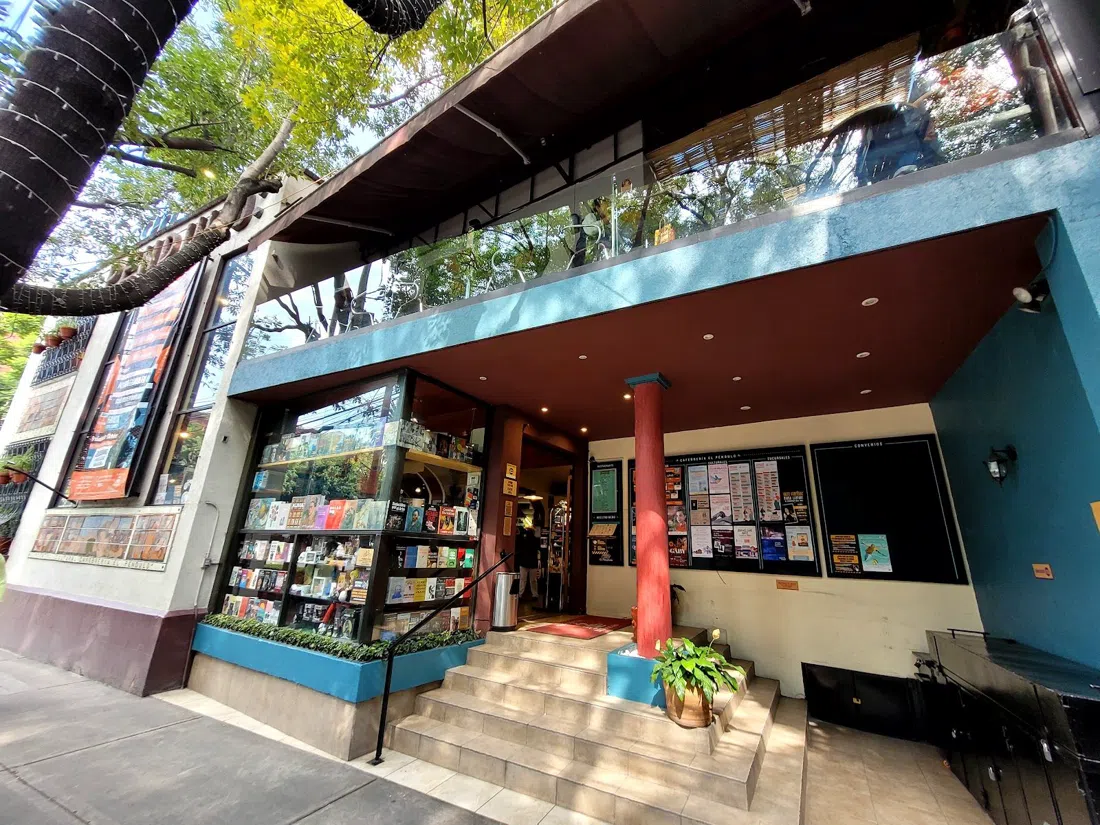
Cafebrería El Péndulo Condesa (Condesa) is a bookstore-café named among the world's most beautiful bookstores by The Guardian, and it functions as the quieter counterpoint to Condesa's bar-heavy evening strip a few streets over. The café section takes group bookings, which makes it a genuinely useful stop for a slower afternoon rather than a photo-and-leave. Priced as a normal sit-down café ($$).
Santa María la Ribera: The Quiet Fifth Village
Santa María la Ribera doesn't get the tour-bus traffic of the other four, which is more or less the point of including it — it's one of the city's older neighborhoods outside the historic center, and it still feels like a residential colonia rather than a destination. Its one landmark is genuinely strange enough to justify the trip on its own.
Kiosco Morisco (Santa María la Ribera), in the Alameda de Santa María la Ribera, is a Moorish-style iron pavilion originally built for a nineteenth-century World's Fair and later relocated here piece by piece — a one-of-a-kind object nobody expects to find in the middle of a quiet residential grid. It's a public plaza with no cost and no capacity limit, and it works equally well as a five-minute detour or a slow half hour with a coffee from a nearby cart.
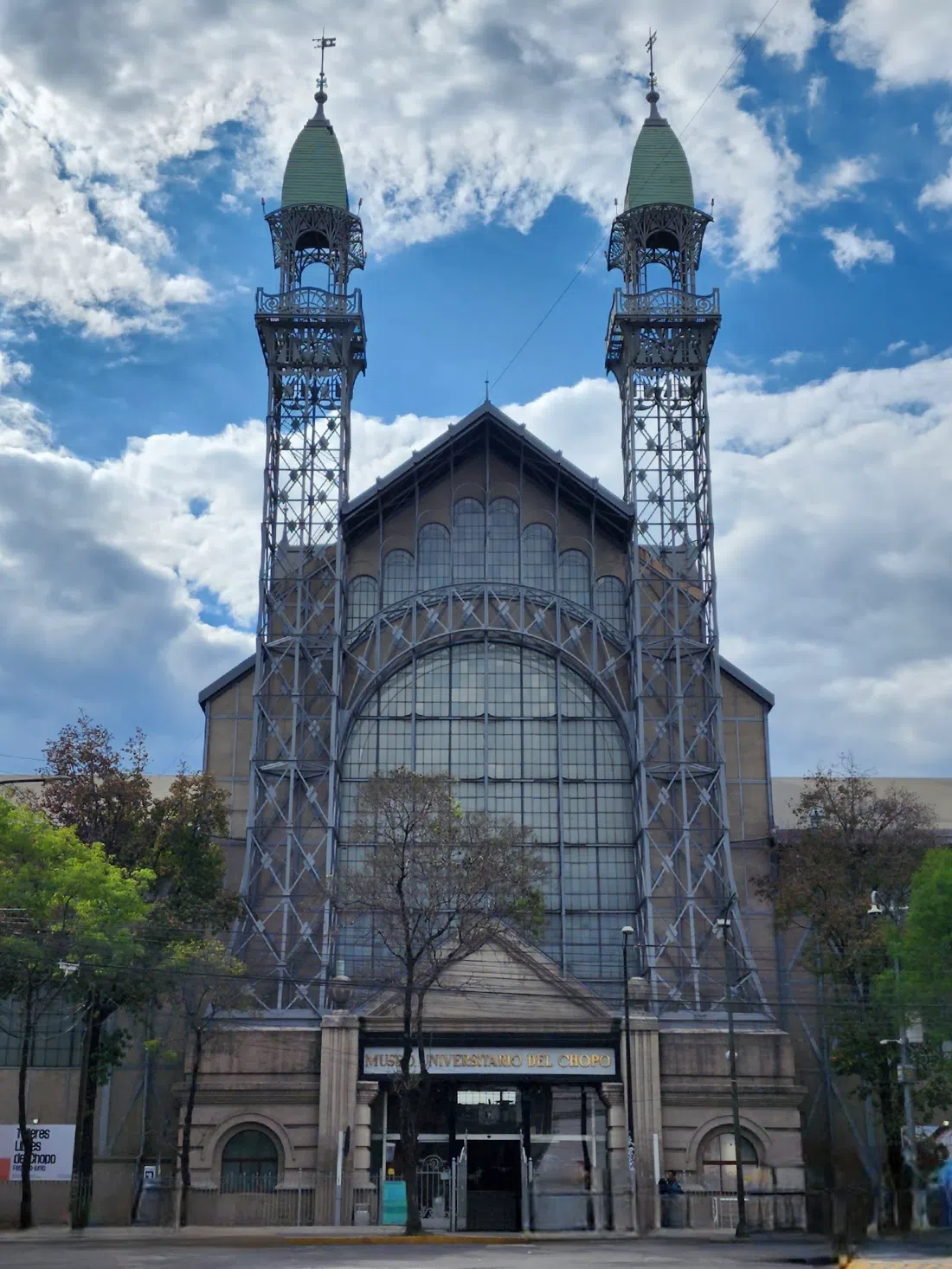
A few blocks away, Museo Universitario del Chopo (Santa María la Ribera) is UNAM's experimental art space, housed in its own imported iron-and-glass structure — visually, it's the Kiosco Morisco's sibling, and the two make sense as a single short walk. It's standard museum entry ($), Wednesday to Sunday, 11am to 6pm, and skews toward contemporary and experimental programming rather than the classical collections found elsewhere in the city.
Getting Between the Villages: Transport, Cash, Timing, Budget
These five neighborhoods are not walking distance from one another — treat each as its own half-day rather than trying to string more than two together. Coyoacán and San Ángel sit close enough to combine in one day, ideally a Saturday so Bazar Sábado is running. Roma and Condesa are adjacent and easily walkable to each other. Santa María la Ribera is its own trip, north of the historic center, best paired with a Chopo-to-Kiosco walk rather than rushed alongside anything else.
Ride-hailing apps work reliably across all five neighborhoods and are the simplest way to move between them — expect 20 to 40 minutes depending on traffic, which is unpredictable at almost any hour of the day. The Metro and Metrobús both reach the edges of Roma, Condesa, and Coyoacán, but Bazar Sábado and the Kiosco Morisco are easier by car or rideshare than by transfer.
Carry cash. Market stalls, smaller cafés, and craft vendors at Bazar Sábado often don't take cards, and ATMs inside bank branches are the safer withdrawal option over standalone street machines. Prices above are quoted in Mexican pesos ($ = budget, $$ = moderate, $$$ = splurge); a rough dollar or euro sense is useful for planning a trip but nobody quotes prices in anything but pesos at the register.
Weekends change the math for two of these stops specifically: Bazar Sábado only exists on Saturdays, and Sunday afternoons bring heavier foot traffic to Coyoacán's plazas and market. Museo Frida Kahlo's timed tickets should be booked as far ahead as dates allow — weeks, not days, for anyone traveling as a group. For everything else, weekday mornings are the quietest window.
For a base, staying somewhere between Roma and Condesa puts a visitor within walking distance of both and a short ride from the rest; start with a Mexico City hotel search to compare neighborhoods directly, and see the full Mexico City guide for the rest of the city beyond these five villages.