The Mexico City issue
Ringside Rituals: Mexico City's Lucha Libre Through a Local's Eyes
A calm, honest map of where to watch lucha libre in Mexico City in 2026 — from the CMLL cathedrals to indie edge-of-city halls, mask workshops and taco-fuelled tours — with the door and group realities laid out plainly.

By Inês CarvalhoThe colonias the guidebooks skip
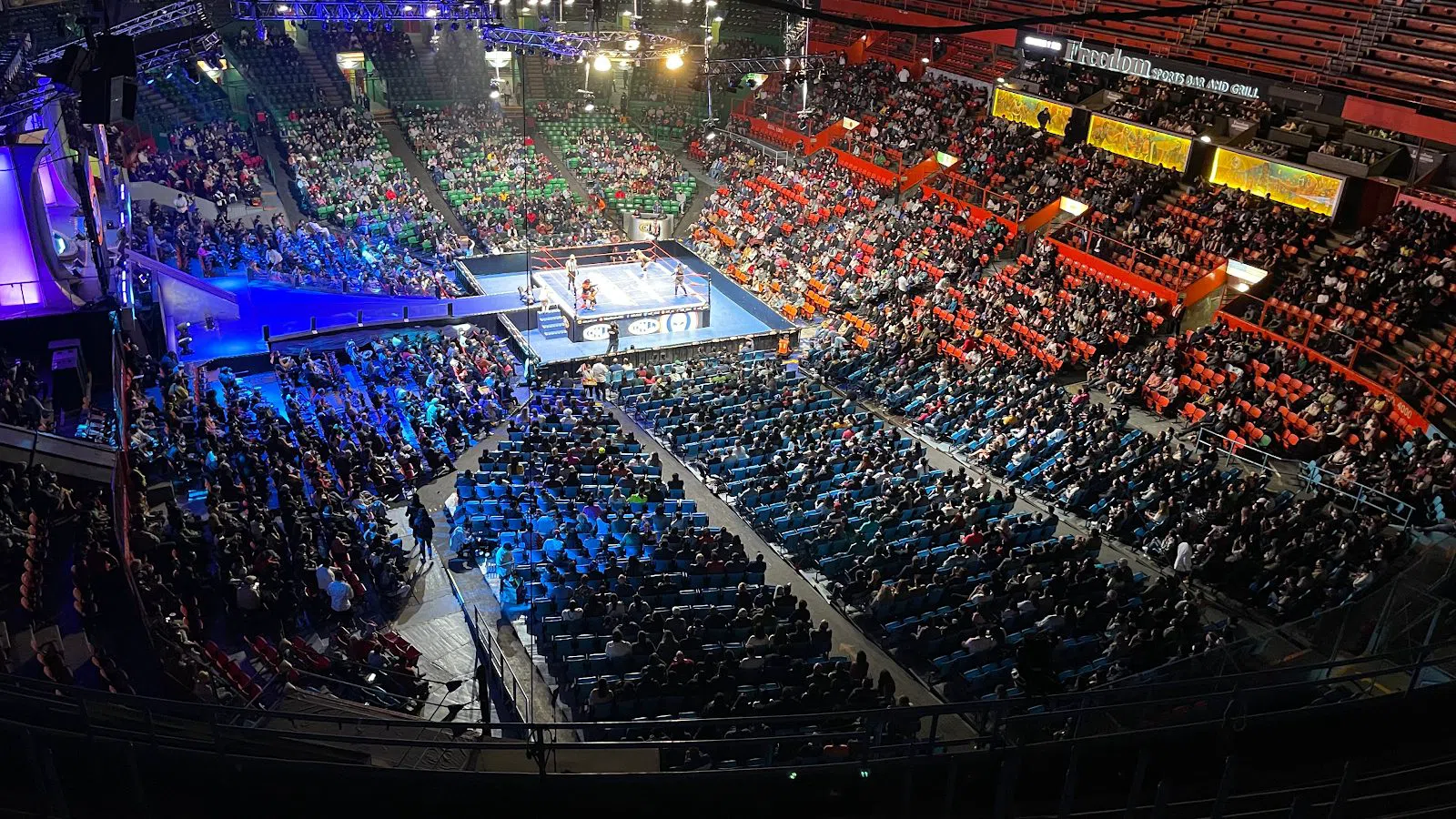
On a Friday night in Colonia Doctores, the pavement outside the arena smells of frying oil and anticipation, and the roar that greets the first bell rolls out into the street like weather. Lucha libre is not a spectacle the city stages for visitors; it is a Tuesday, a Friday, a Sunday — a ritual that has run inside the same buildings for the better part of a century, watched by grandmothers who know every hold and children who have already chosen their masked allegiances. What follows is a way to enter it honestly: where to sit, which nights suit a couple and which suit a crowd, and how to read the door before you ever reach it.
Start at the cathedral
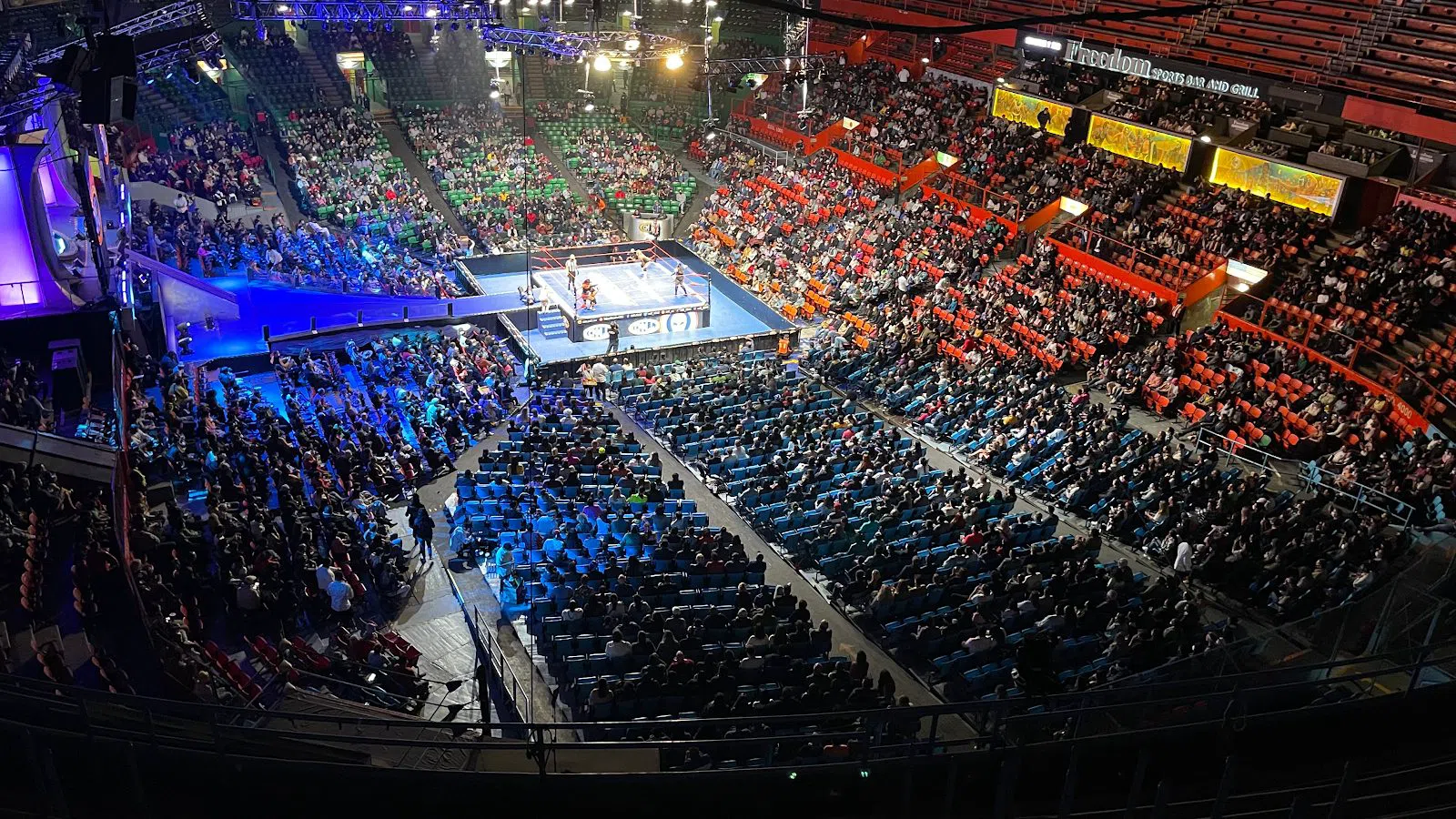
There is a reason every guide to lucha in this city opens the same way. Arena México (Colonia Doctores, a short walk south of the Cuauhtémoc metro) is the flagship of the Consejo Mundial de Lucha Libre, the promotion that has shaped the sport's grammar since the 1930s, and the hall locals still call the Cathedral. CMLL runs cards here on Tuesday, Friday and Sunday, and the Friday show is the loud one — three tiers of seating, families in replica masks, beer sellers working the aisles, and a noise that swells and drops with the choreography of the bouts.
For a first-timer, and especially for a UK reader unsure of the etiquette, this is the safe and correct place to begin. The ticketing is straightforward and the tiers are generous: general admission and reserved seats run from roughly 100 to 800 MXN (about £4 to £33), and the building is large enough that you can book a block of seats for a group without much fuss. There is no dress code and no attitude at the door; the crowd is rowdy in the warm, communal way of a football terrace rather than anything sharp-edged. If you buy at the ringside end you will be close to the falls but also close to the flying bodies, which is part of the appeal and part of the warning. Book the reserved middle tier and you get the full theatre of the place — the entrances, the crowd turning as one — without a folding chair in your lap.
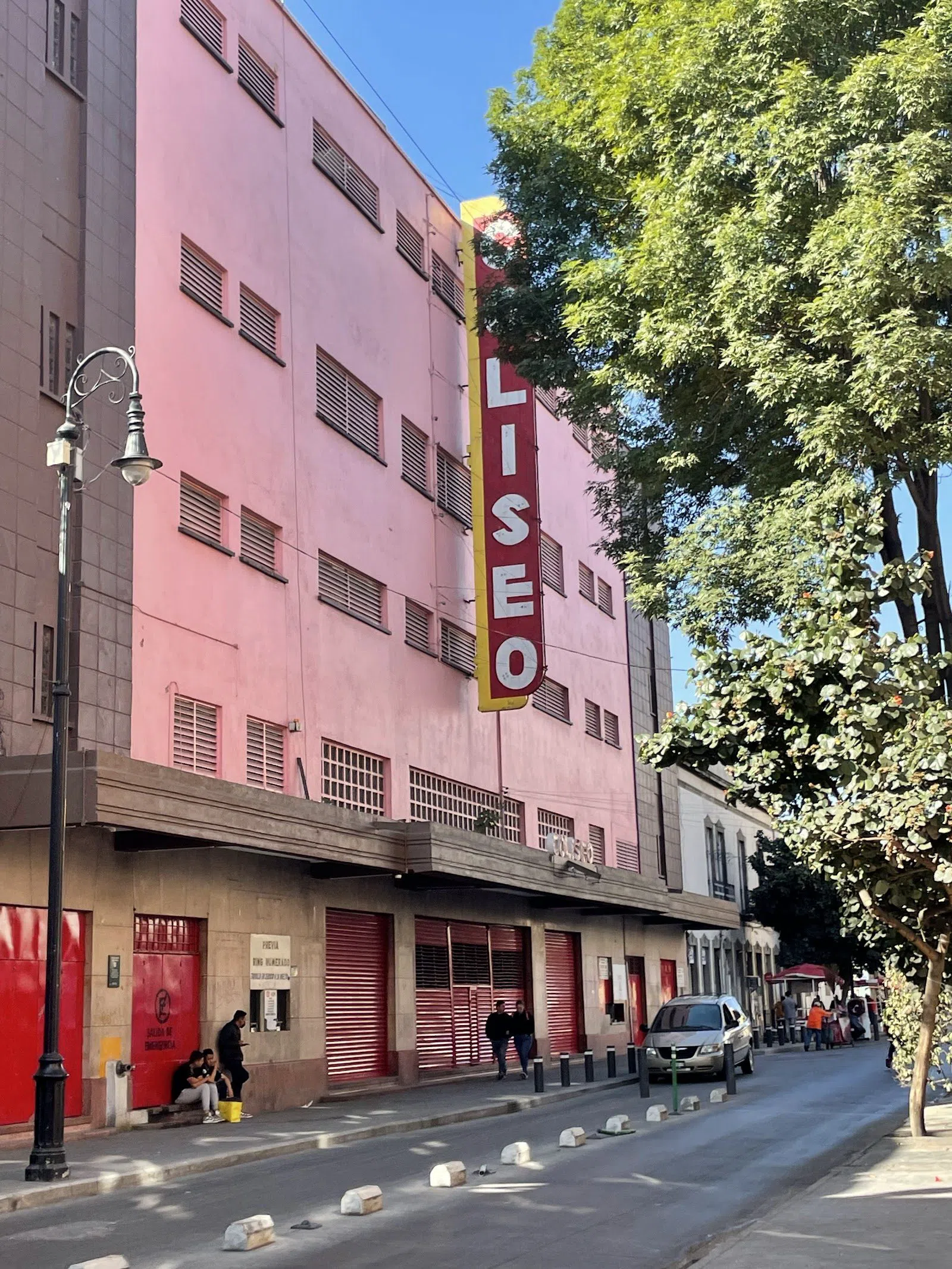
When the flagship's schedule doesn't fit, or when you want the older, closer version of the same tradition, go to Arena Coliseo (Centro Histórico, in the tangle of streets north of the Zócalo). This is CMLL's intimate house, a smaller and frankly more atmospheric room where the hardcore regulars sit, and where on a good night you are near enough to hear the smack of a body against the mat. The trade-off is capacity: tickets run a gentler 80 to 400 MXN (about £3 to £17), but Saturday-night shows here fill, and a group of any size should book well ahead rather than chancing the door. For two people who want the texture of the thing — the sweat, the ritual insults, the vendors — over the spectacle of the big hall, this is the more rewarding room.
Plan your Mexico City trip
Live prices from our booking partners.
Free cancellation on many rooms. We may earn a commission when you book.
When you want the stadium version
The two CMLL houses are neighbourhood theatre. Once or twice a year the sport puts on something closer to a rock concert, and for that you cross the city to Arena Ciudad de México (Azcapotzalco, in the north-west), a purpose-built modern arena that hosts the biggest events on the calendar. In 2026 the marquee night is AAA's Triplemanía 34 — the second night falls on 13 September 2026 — the promotion's answer to a WWE pay-per-view, with pyrotechnics, a full production and a floor-to-rafters crowd.
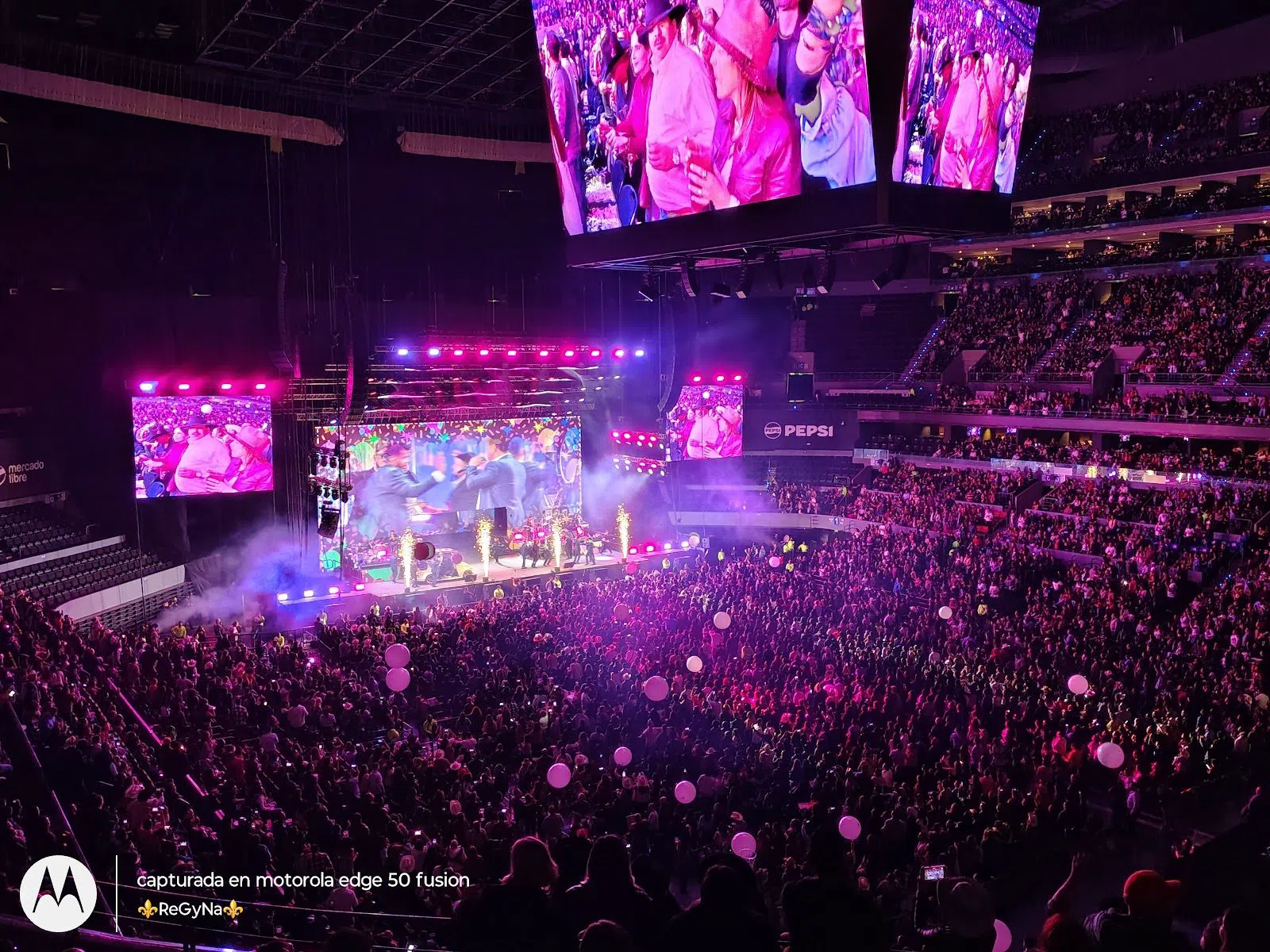
Be clear-eyed about what this is and isn't. Tickets scale from cheap seats to floor prices, roughly 500 to 3,000-plus MXN (about £20 to £125) for a major event, and the ticketing is built for stadium crowds and large groups. What you gain in scale you lose in intimacy: this is arena spectacle, not the sweaty parish-hall vibe of a Friday at the Cathedral. Treat it as an occasional big night rather than your introduction to the sport — worth planning a trip around if the date aligns, but not the room that will teach you what lucha feels like up close.
Off the tourist track: the indie halls
Beyond the CMLL houses is a grassroots circuit that rewards the more adventurous reader, and it is where the sport keeps its rougher, older character. Arena Naucalpan (Naucalpan, over the western edge of the city in the State of Mexico) is the home of IWRG, an independent promotion whose Sunday shows lean into hardcore stipulations — barbed wire, blood, cage matches — of a kind you will simply never see sanitised for a family crowd at Arena México. Tickets are cheap, around 80 to 200 MXN (£3 to £8), and the hall takes groups, but the crowd is intensely local and the neighbourhood is well off the visitor map. Go in numbers, or go with a guide who knows the room; this is not the night for a couple wandering in cold after dark.
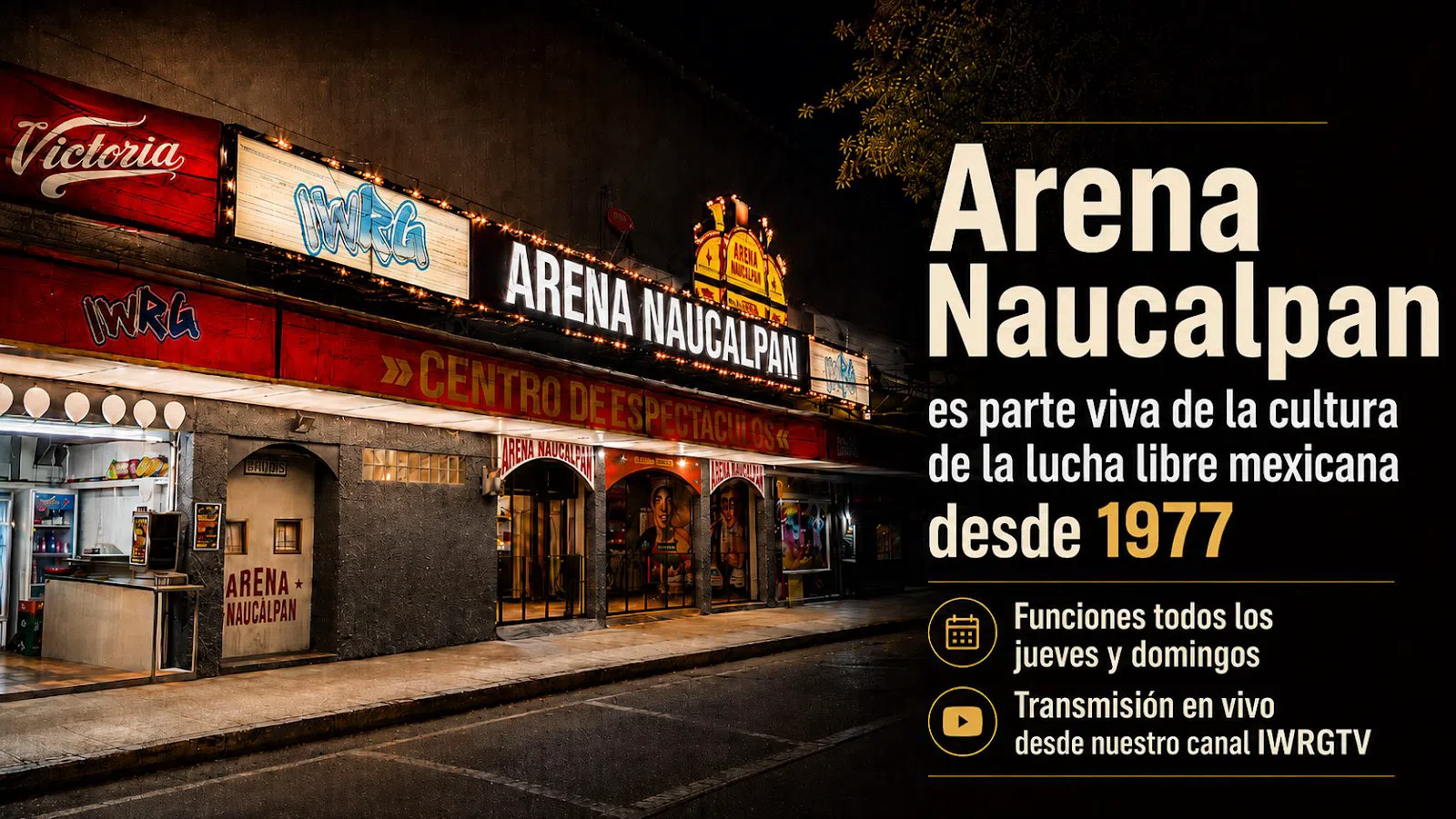
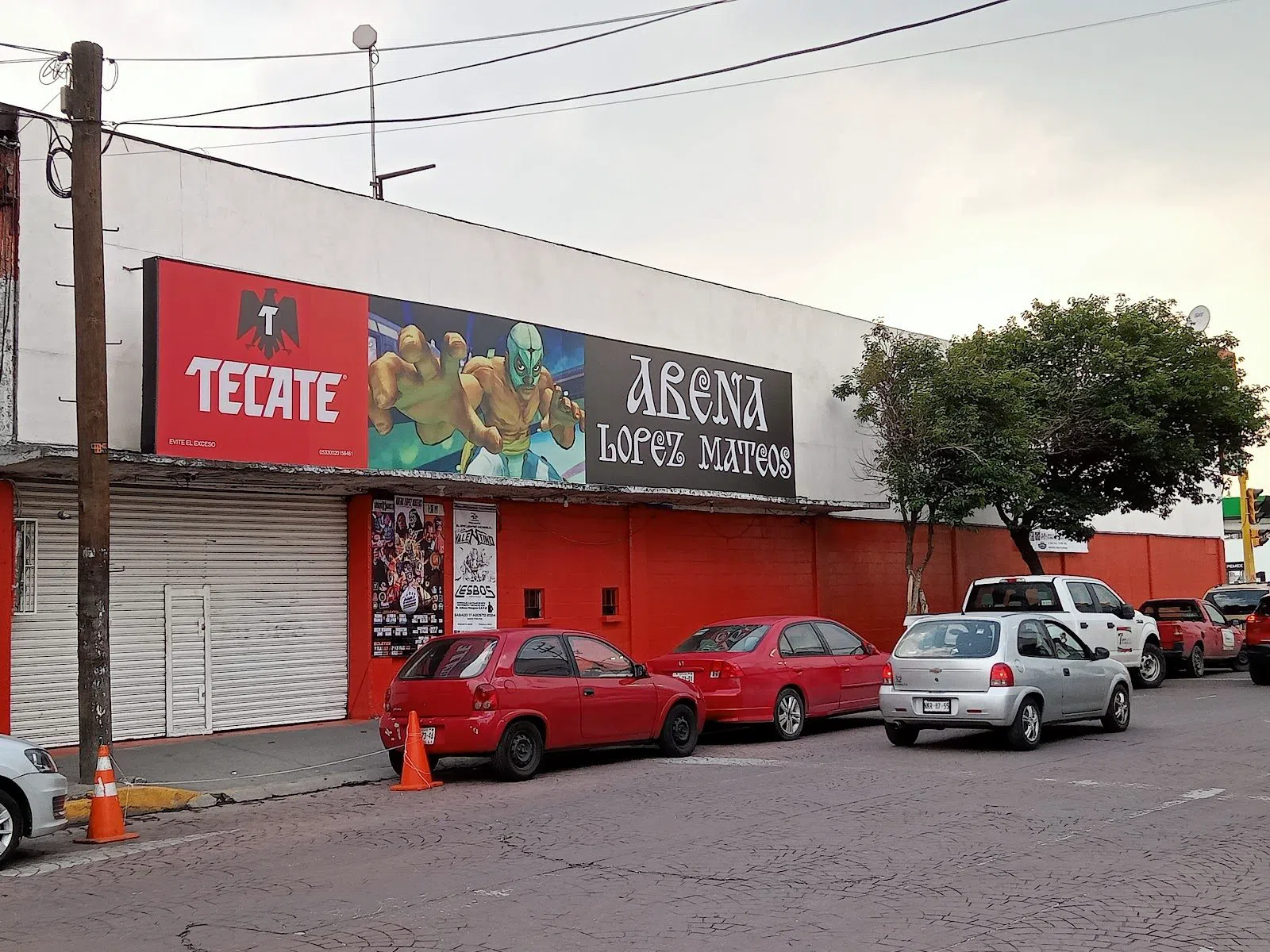
A gentler step off the beaten path is Arena López Mateos (Tlalnepantla, also just north of the city proper in the State of Mexico), a living indie-scene venue rented week to week by a rotating cast of promotions, which means the card changes constantly and the quality with it. The draw is authenticity rather than polish: Místico, one of the sport's genuine stars, still headlines here, and you get grassroots lucha beyond the two big CMLL houses for a modest 100 to 350 MXN (about £4 to £15). Check who is promoting the night before you commit, because a marquee name on the poster changes the room entirely. Both of these arenas suit travellers who already have a feel for the sport and want to see where it lives when the cameras are elsewhere.
Let someone else handle the logistics
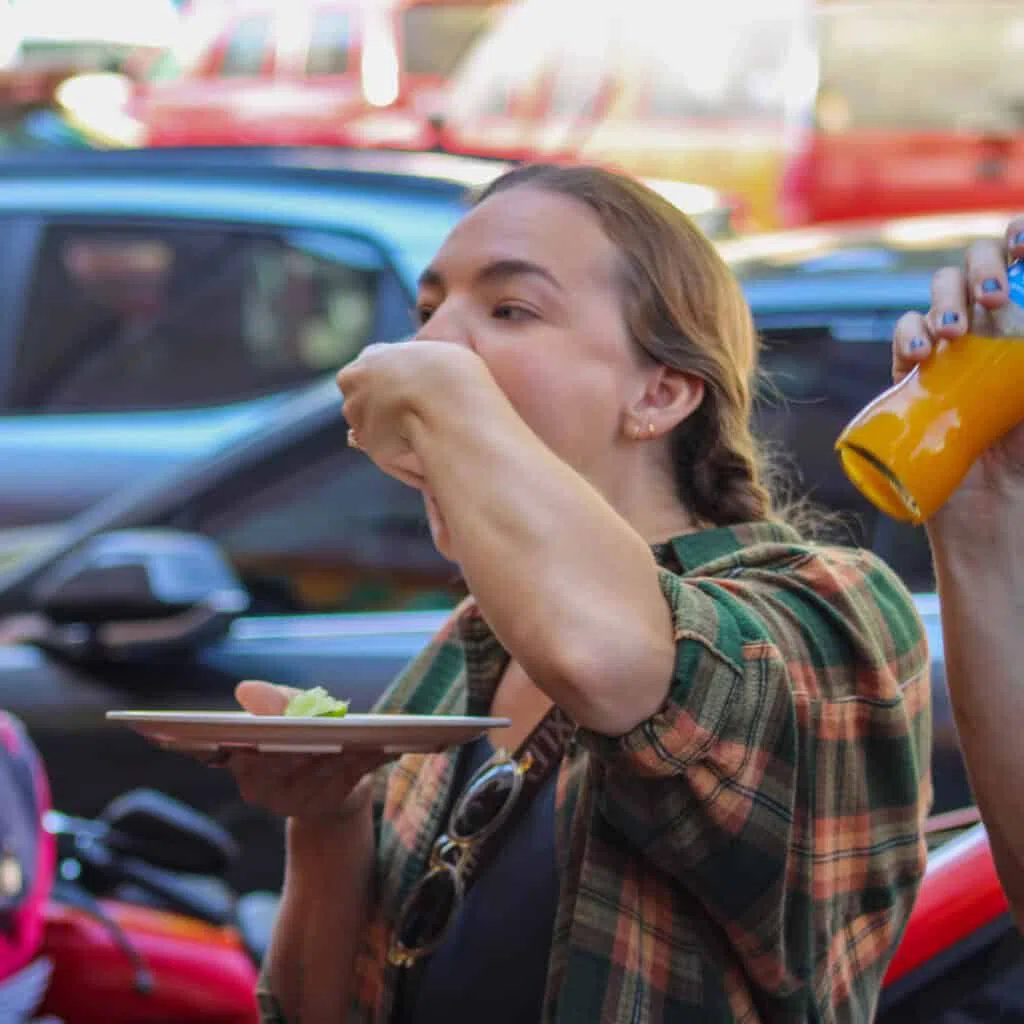
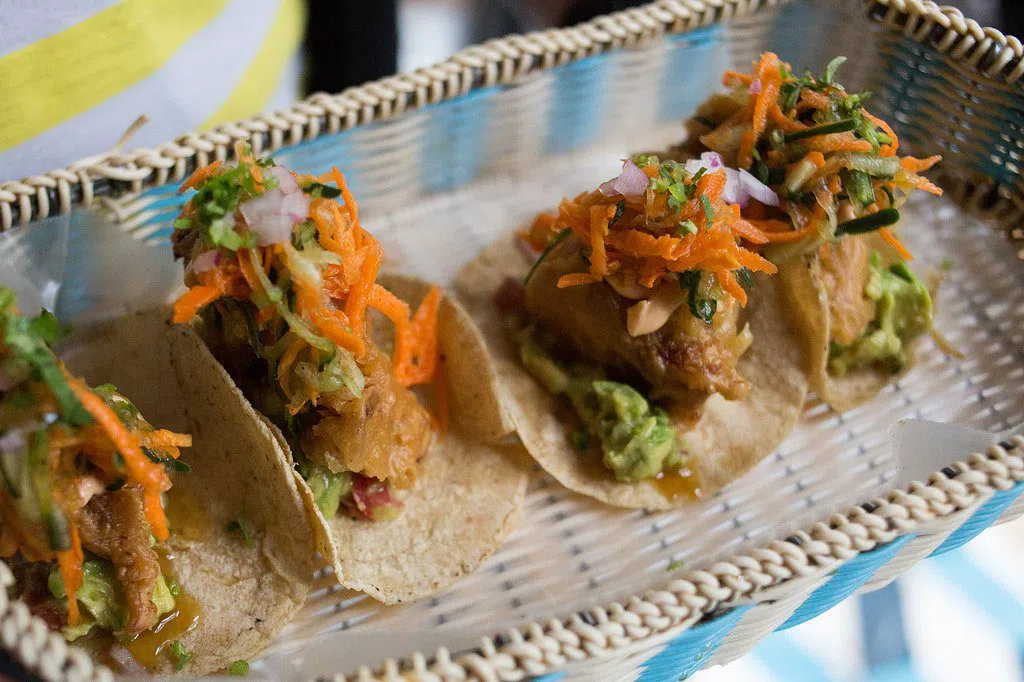
The honest truth for many first-time visitors is that getting to an arena, buying the right ticket and finding dinner beforehand is more friction than a holiday evening should carry — and this is where the guided operators earn their keep. Foodhood Tours – Lucha Libre & Tacos is the steadiest of the 'do it for me' options: a Condé Nast–featured operator running small-group and private tours that pair grounded street food with the show and fold in the ticket and transport, for roughly $70–90 USD (about £55–£70) all in. For a couple or a first-timer who wants the evening organised without it turning into a bar crawl, this is the level-headed pick.
If your group is sociable and the point of the night is the group itself — a stag or hen party, a reunion of friends — the tour marketed as Lucha Libre + Tacos, Beer & Mezcal ('Best Night Ever') is built for exactly that. It is one of the most-reviewed lucha tours in the city, with free-flowing drinks, English-speaking guides and a souvenir thrown in, at around $84 USD (about £66) including tacos, drinks and the ticket. One caveat worth passing on plainly: reviewers note the drinking stretch can run long before the show, so it suits a crowd that treats the wrestling as the finale to a party rather than the main event. Couples looking for the sport first and the mezcal second will be happier with Foodhood.
Step into the ring, or make the mask
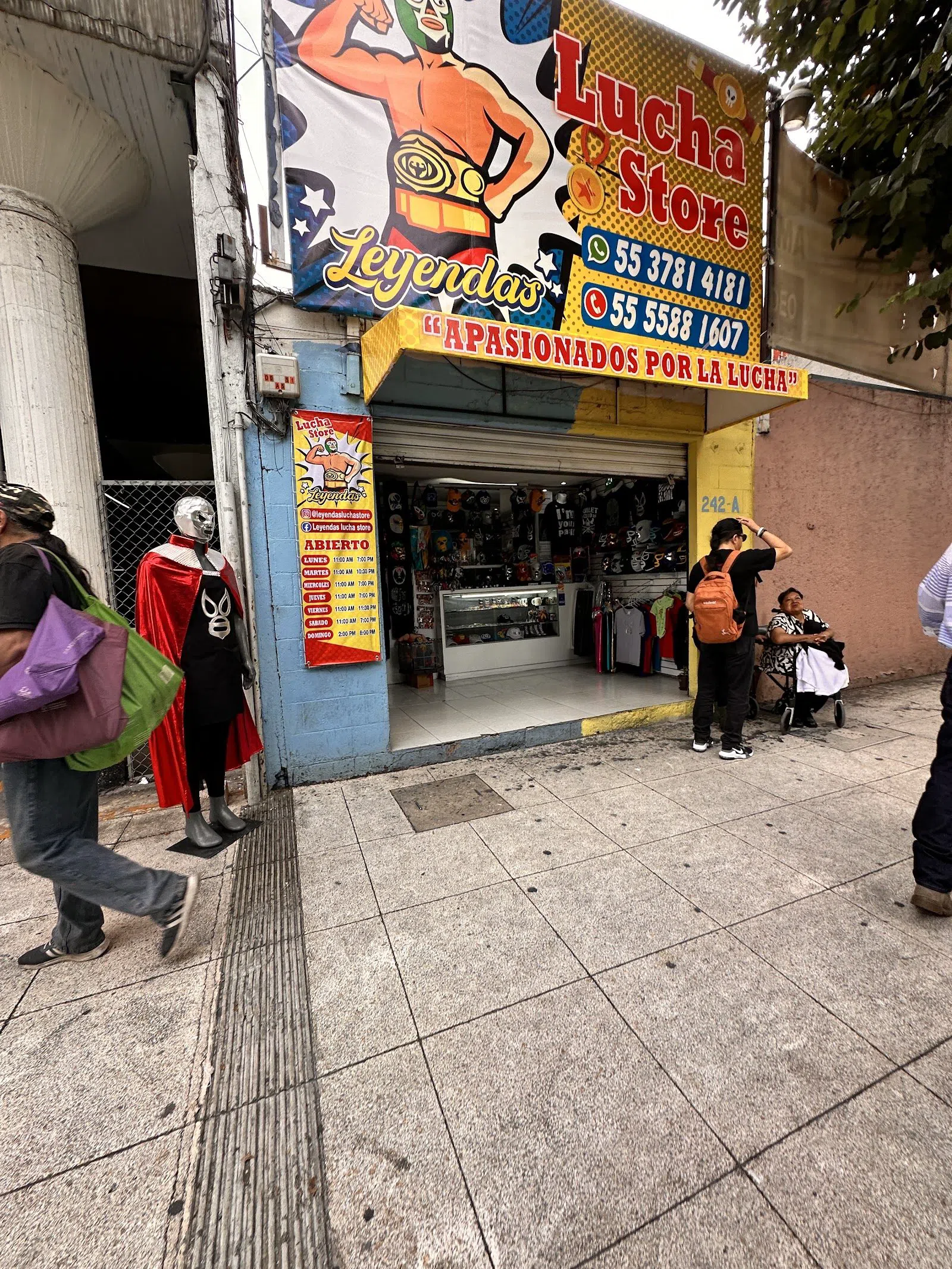
Two experiences deserve their own mention because they invert the usual arrangement — instead of watching, you take part. The Authentic Lucha Libre Tour – Wrestling School + Tacos & Mezcal is the standout participatory option: a small-group, hands-on format in which you train with working luchadores, learn to take a fall and step into the ring yourself, before the tacos and mezcal, for around $80–100 USD (about £63–£78). It is a genuine hook for an active group and a memory that outlasts any seat you could buy — but be candid with yourself about fitness and mobility, because this one asks something of your body, and it is not the pick for anyone who would rather stay in the stands.
The quieter, all-ages counterpart is the Lucha Libre Mask-Making Workshop + Show — a two-hour small-group session, offered on Tuesdays and Sundays, where you make and keep a real lucha mask before heading to a show, for roughly $55–80 USD (about £43–£63) including materials and the ticket. The mask is the sport's central symbol — an identity, a lineage, a thing fighters wager in their most serious feuds — and making one is a creative rather than physical afternoon, which makes it the natural choice for families, for a mixed-ability group, or for anyone who wants the culture without the tacos-and-mezcal register of the drinking tours.
A shrine without a fixture
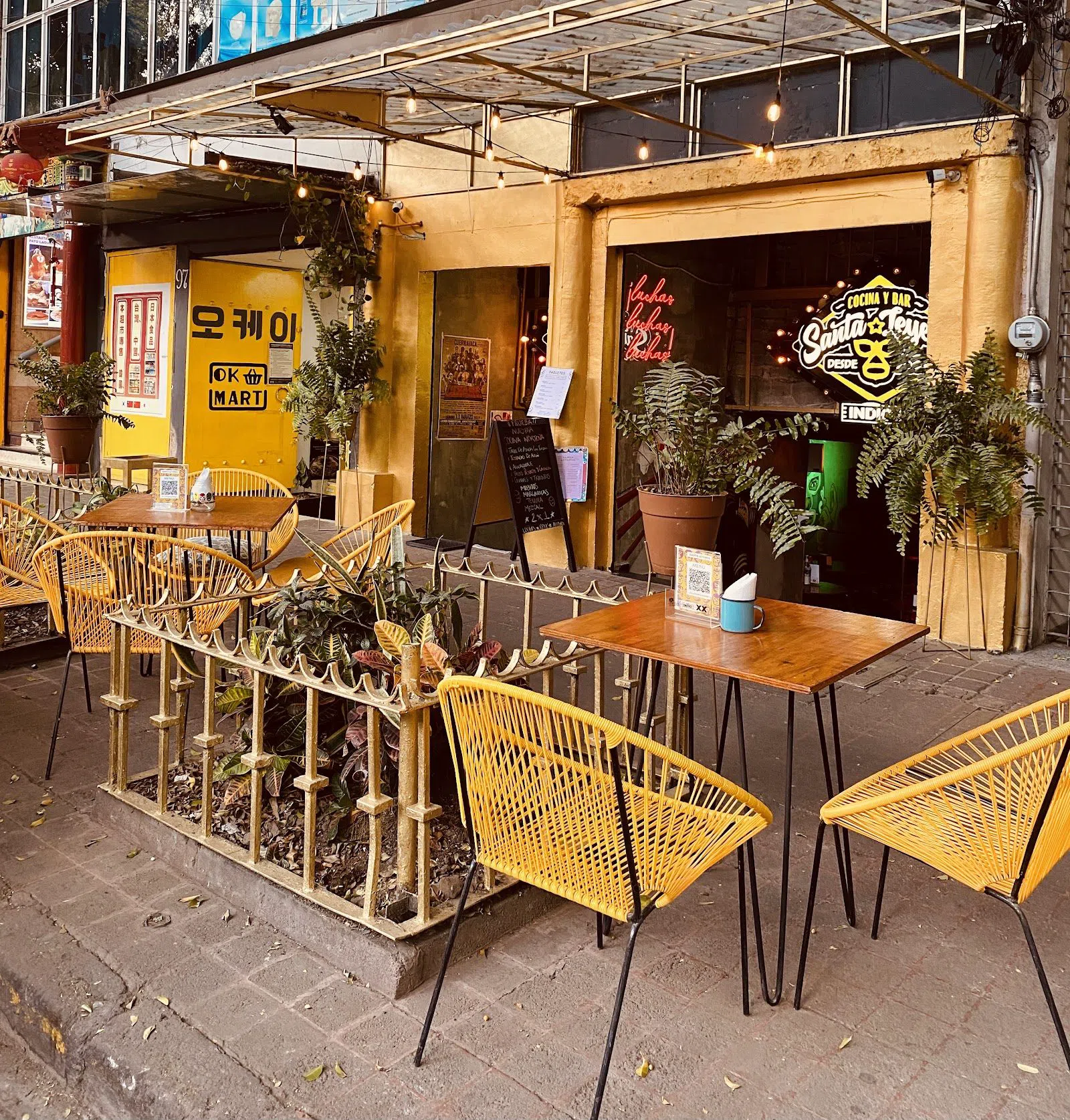
Not every lucha night needs a card. Santa Leyenda (Condesa, in the walkable heart of the city's café-and-tree-lined district) is a bar built as a genuine shrine to the sport — masks and memorabilia on the walls, the iconography everywhere — and it is the easiest way for a UK group to ease into the culture without committing to an arena schedule. Drinks run a friendly 80 to 160 MXN (about £3 to £7) and no ticket is needed; you can walk in, though a big table on a busy night is worth booking ahead. Use it as a warm-up before a show or a place to relive one afterwards, or simply as the fallback for an evening when nothing is scheduled and you still want the sport in the room. For where to base yourself within walking distance of it, the Mexico City hotel search is the place to start, and the wider Mexico City guide covers the neighbourhoods around it.
Practicalities: getting there, paying, timing
Getting there. For Arena México, the Metro (Cuauhtémoc or Balderas on Line 3) drops you within a short walk, and it is the simplest and cheapest way in; leaving after the show, when crowds spill out late at night, an app-based ride from Uber or DiDi is the calmer choice than hunting for a street taxi. The two central CMLL halls and Santa Leyenda are all easy by ride-hail. The indie arenas — Arena Naucalpan and Arena López Mateos — sit outside the city proper in the State of Mexico; budget 45 minutes to an hour each way, go by pre-booked ride rather than public transport after dark, and lean on a guide if you can.
Cash. Arena box offices and the smaller halls run largely on pesos in cash, so draw some before you go rather than relying on a card at the window; the guided tours and larger arena events take card online when you book ahead. Keep small notes for the beer and taco vendors working the aisles.
Timing. CMLL's rhythm is fixed — Tuesday, Friday and Sunday at Arena México, Saturday at Arena Coliseo, Sunday for IWRG at Naucalpan — so build the evening around the fixture rather than hoping to find one. Doors and the first, lesser bouts start well before the headline; arriving for the opener lets you settle in as the hall fills and the crowd finds its voice. The big AAA night at Arena CDMX is a diary event to plan a whole trip around, not a spur-of-the-moment outing.
Budget. An arena seat is genuinely cheap by UK standards — £4 to £33 will put you in a good spot at the Cathedral — while the all-inclusive guided tours run £55 to £78 and buy you the ticket, food, drinks and, crucially, someone else handling the logistics. A couple after the sport itself can have a full night for under £20 a head; a group wanting the door-to-door experience should reckon on £60 to £70 each. Whichever way you come at it, this is a ritual that costs little and gives a great deal.
Before you go
Where should a first-timer watch lucha libre in Mexico City?
Start at Arena México in Colonia Doctores, the CMLL flagship, on a Friday night. The ticketing is simple, tiers run from roughly 100 to 800 MXN (£4–£33), there is no dress code, and the family crowd makes it the safest, most atmospheric introduction.
How much do lucha libre tickets cost, and do I need cash?
Arena seats are cheap by UK standards: about 80–800 MXN (£3–£33) at the CMLL and indie halls, rising to 500–3,000+ MXN (£20–£125) for a major AAA event. Box offices largely take pesos in cash, so draw some before you go; guided tours and big-arena events take card online.
Which nights do the shows run?
CMLL runs Tuesday, Friday and Sunday at Arena México and Saturdays at the smaller Arena Coliseo. IWRG's indie shows at Arena Naucalpan are on Sundays. Arena López Mateos varies week to week by promotion, so check the card first. Build your evening around the fixture.
Is lucha libre suitable for couples, or is it a group thing?
Both, if you choose well. Couples wanting the sport up close should try the intimate Arena Coliseo or a Foodhood tour; sociable groups suit the drink-forward 'Best Night Ever' tour or a block of seats at Arena México. The indie halls in the State of Mexico are best visited in numbers or with a guide.
Can I take part rather than just watch?
Yes. The Authentic Lucha Libre Tour includes training in the ring with working luchadores (fitness required), while the Lucha Libre Mask-Making Workshop is a calmer, all-ages session where you make and keep a real mask before a show — a good option for families or mixed-ability groups.