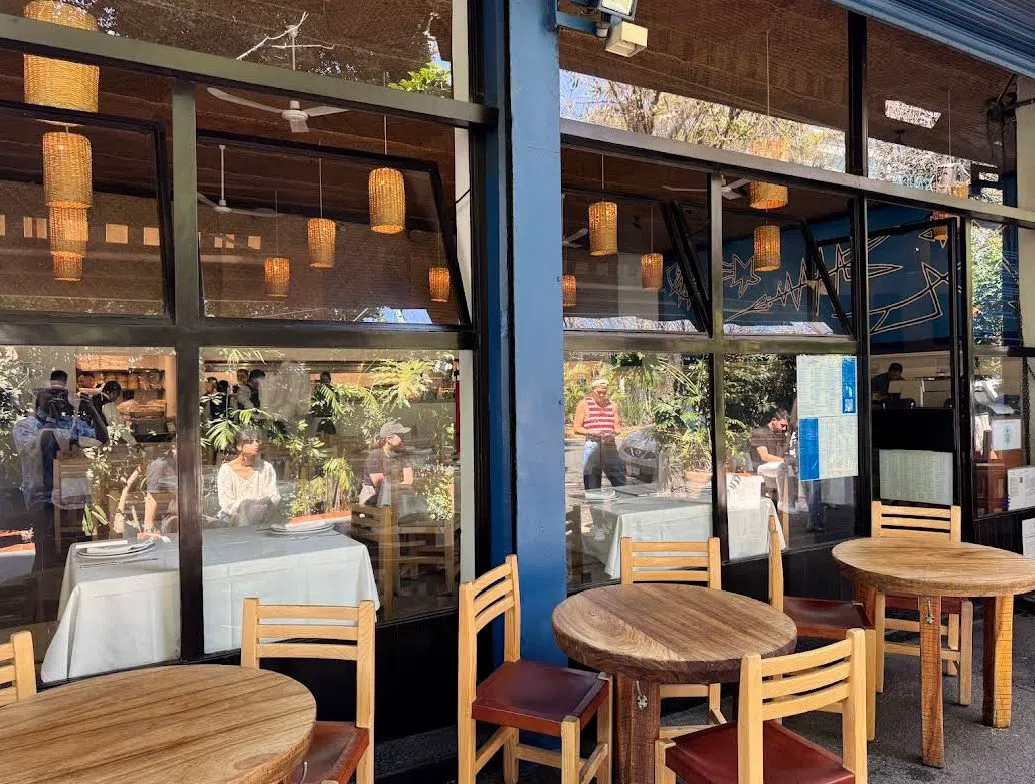

In Mexico City, the check rarely arrives when the plates are cleared. It arrives when someone at the table finally remembers to ask for it, an hour, three hours, sometimes five hours later, because sobremesa, the conversation that follows a meal, is treated here as a course in its own right, not an afterthought. This is a walk through the restaurants, cantinas, and mezcal counters built for exactly that kind of lingering, and an honest read on which ones expect you to keep moving and which ones will happily let the afternoon disappear.
Where the midday meal becomes a six-hour fixture
Start at Contramar (Roma Norte), the restaurant every local food writer eventually points to when explaining CDMX sobremesa to an outsider. Tables that sit down at 2pm for the tuna tostadas and the whole grilled fish split down the middle, one side red with chile, one side green with parsley, are often still there at 8pm, deep into a second or third bottle of wine. There are no reservations for the lunch rush, so the trade-off is real: arrive at noon and you'll be seated without trouble; arrive at 2:30 and you're standing at the bar with a mezcal, waiting your turn like everyone else. Mains run 450 to 750 MXN, and the Bib Gourmand rating hasn't made a Saturday table any easier to get.
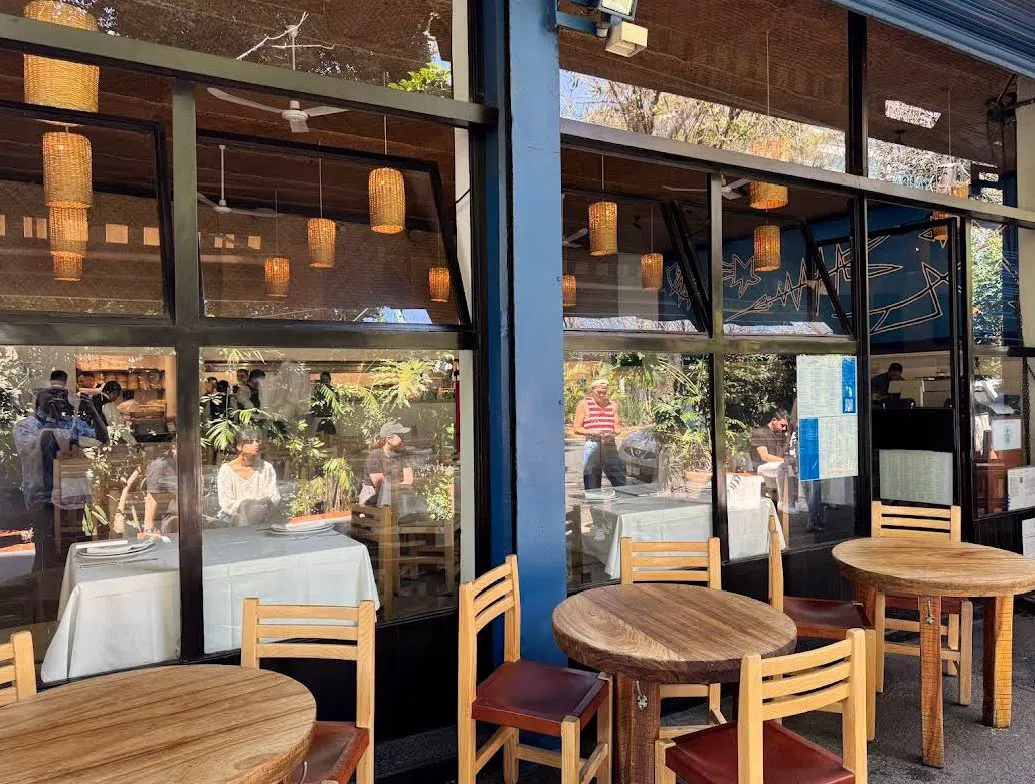
For a quieter, more composed version of the same instinct, Rosetta (Roma Norte) is where chef Elena Reygadas' guests are known to sit long after the plates clear, working through the last of a bottle in a dining room that's elegant without being stiff. It's Michelin-starred, and reservations are essential, not merely advised, with groups arranged in advance rather than seated on the spot. Expect 600 to 1,200-plus MXN for tasting portions and mains, and expect the pace to slow the moment the bread basket lands. This is a couples' room as much as a groups' room, and the reservation system keeps it that way.
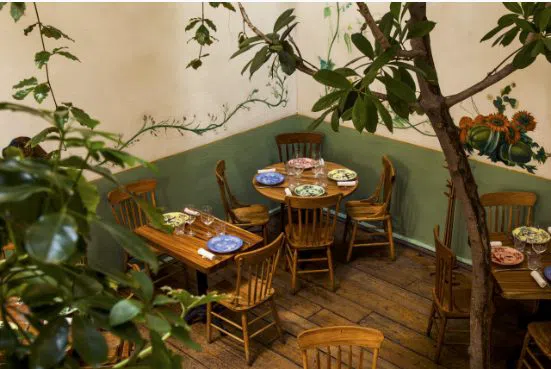
Máximo Bistrot (Roma Norte), holder of a Michelin star since 2025, runs on the same logic from the other direction: a farm-to-table lunch that turns into a two-hour sobremesa almost without anyone deciding to make it one. Reservations are recommended rather than mandatory, and there's covered outdoor seating that handles groups comfortably. Mains land between 400 and 700 MXN.
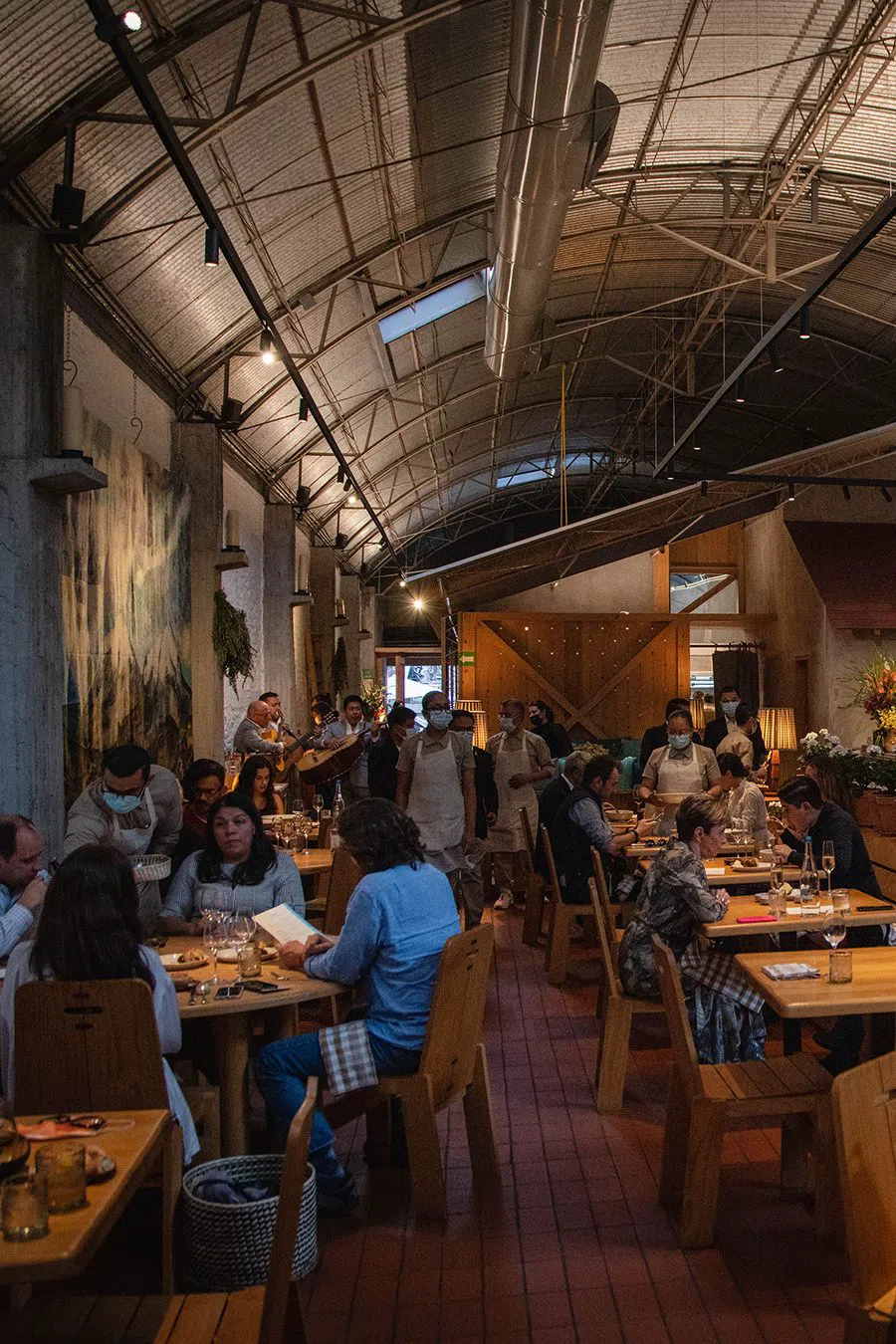
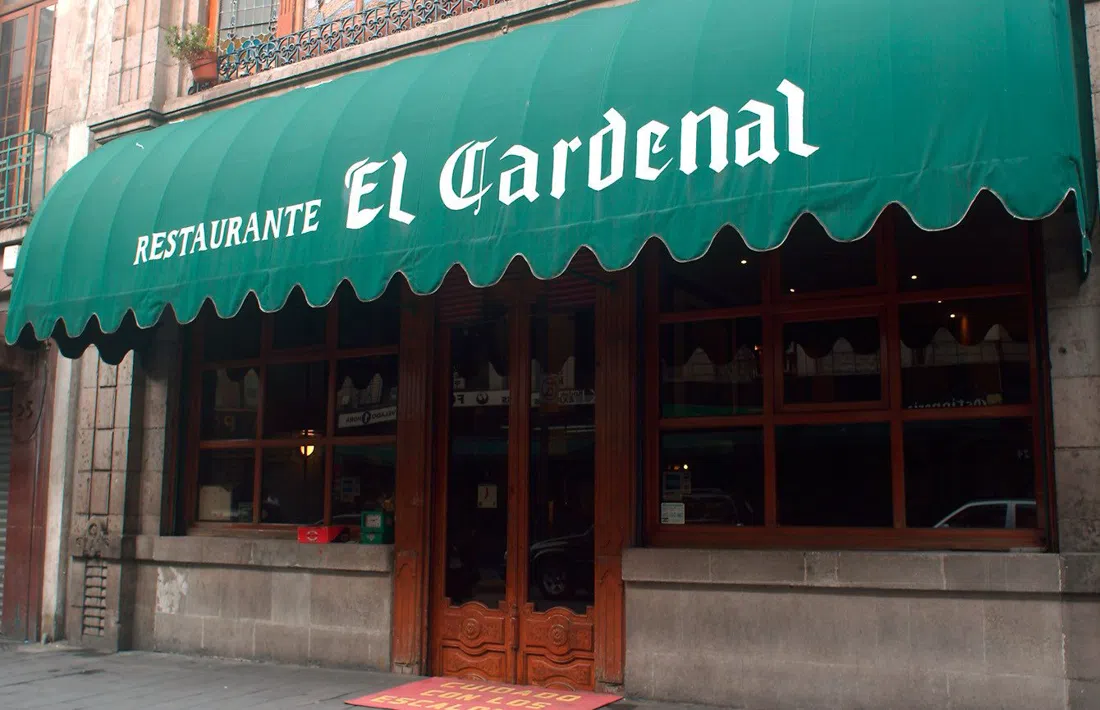
Further into the Centro Histórico, El Cardenal on Palma is the classic chilango move: a long breakfast that never quite ends before lunch starts. The order (huevos con chorizo verde, pan dulce, coffee poured tableside) is almost secondary to what happens after: hours of conversation while the room fills and empties around you. It fills fast, so reservations are recommended for groups, and mains run 250 to 450 MXN.
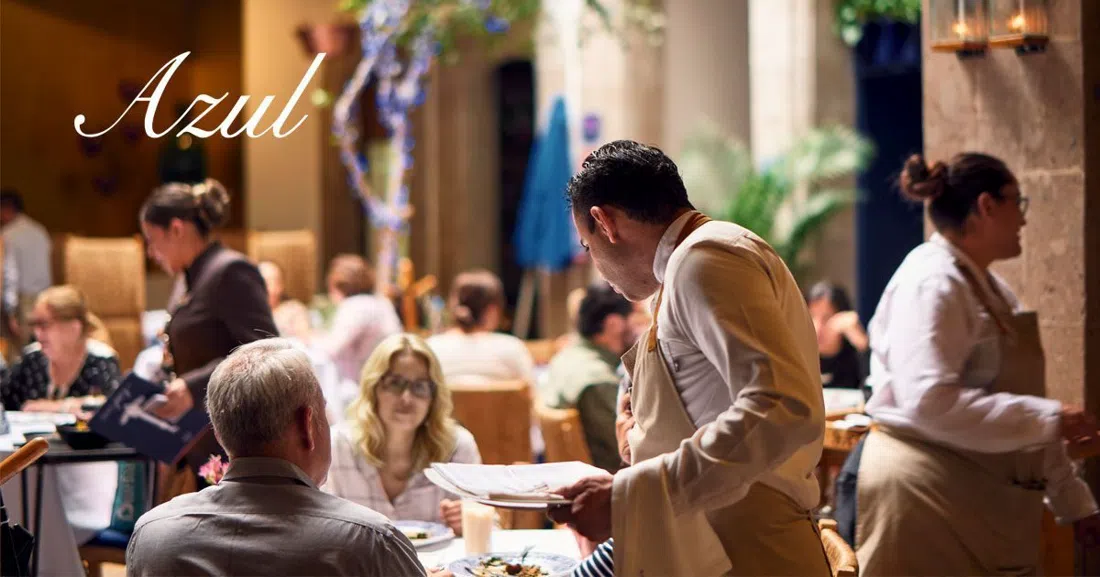
In a literal candlelit courtyard nearby, Azul Histórico (Centro Histórico) serves chef Ricardo Muñoz Zurita's traditional regional dishes to tables that, by design, don't want to leave. The courtyard scales well for groups, though weekends are worth booking ahead; mains run 300 to 550 MXN.
And then there's Nicos (Clavería), well off the main tourist circuit but the restaurant local food writers cite, without hesitation, as the realest sobremesa left in the city. It's family-run, family-friendly, Michelin-starred without any of the attendant stiffness, and reservations are advised rather than required. Mains run 250 to 400 MXN, modest for the quality, which is rather the point.
The cantinas built entirely around the round that never ends
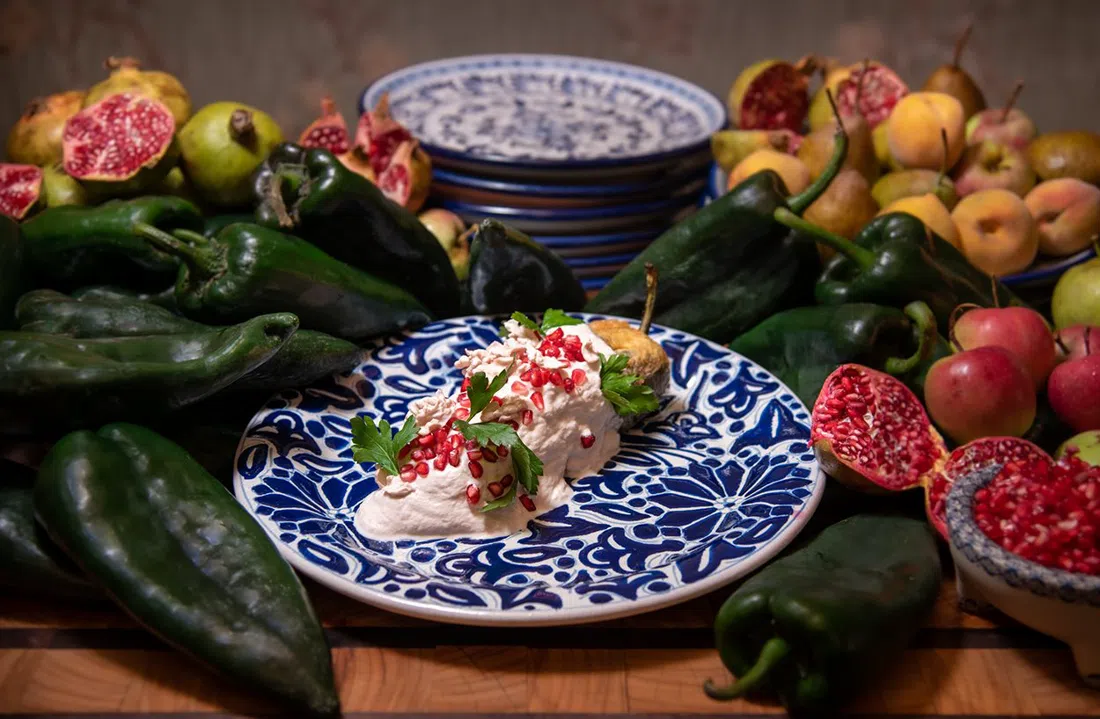
Cantina culture is sobremesa's louder, older cousin, and Mexico City still has the real thing. Salón Tenampa (Garibaldi, Centro Histórico) is the loudest, most theatrical version: long communal tables built for groups celebrating something, mariachi bands moving from table to table for a fee per song, and a Friday-night volume that can tip into genuinely touristy. The table doesn't move here; the music comes to it. Drinks and botanas run $$, mariachi paid separately per song, and it suits a group far better than a quiet couple's dinner.
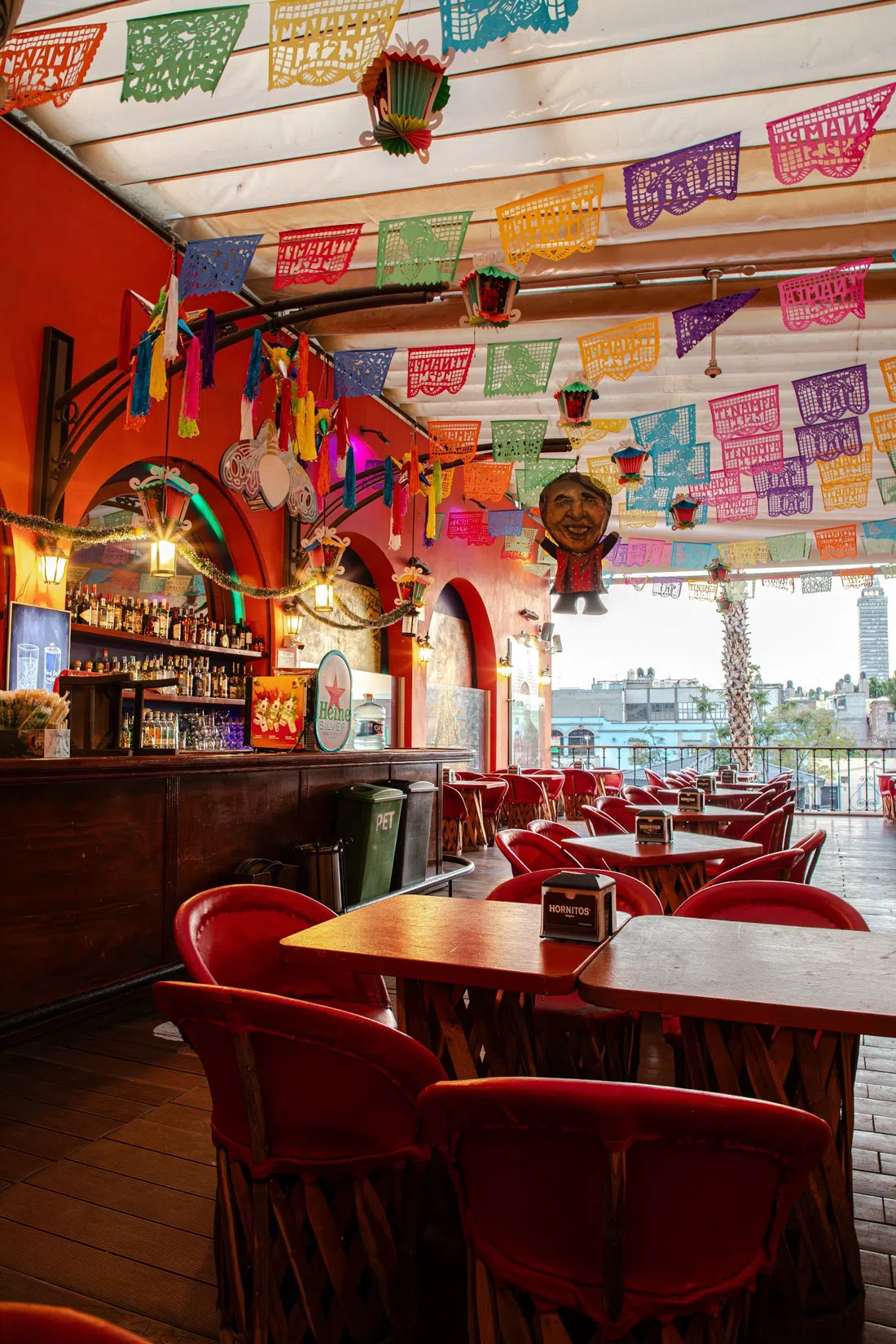
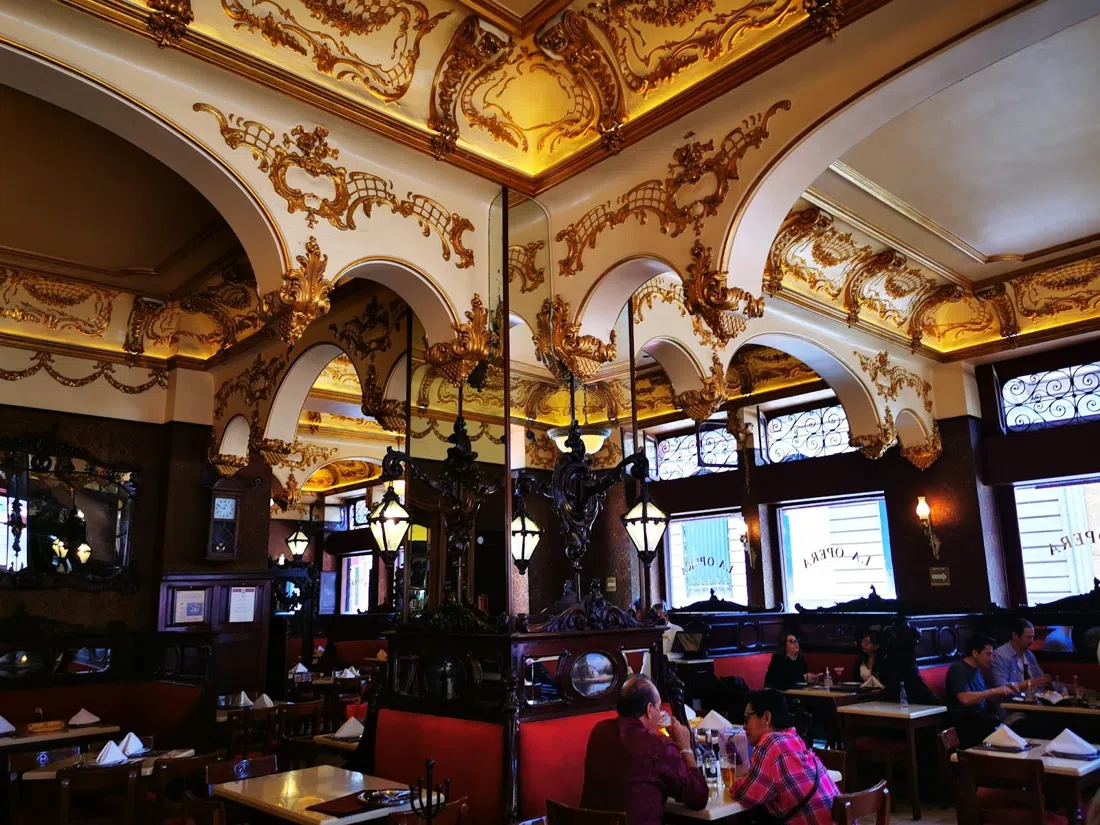
La Ópera Bar (Centro Histórico, on 5 de Mayo) is the more literary alternative: colonial-era grandeur, a bullet hole in the ceiling left over from a story every waiter tells slightly differently, and a smart-casual room with no strict door policy that suits sit-down groups just as well as a pair of friends working through a bottle of mezcal. It's a slower cantina than Tenampa, better suited to actual conversation than shouted toasts. Expect cantina fare, mezcal, and beer in the $$ range.
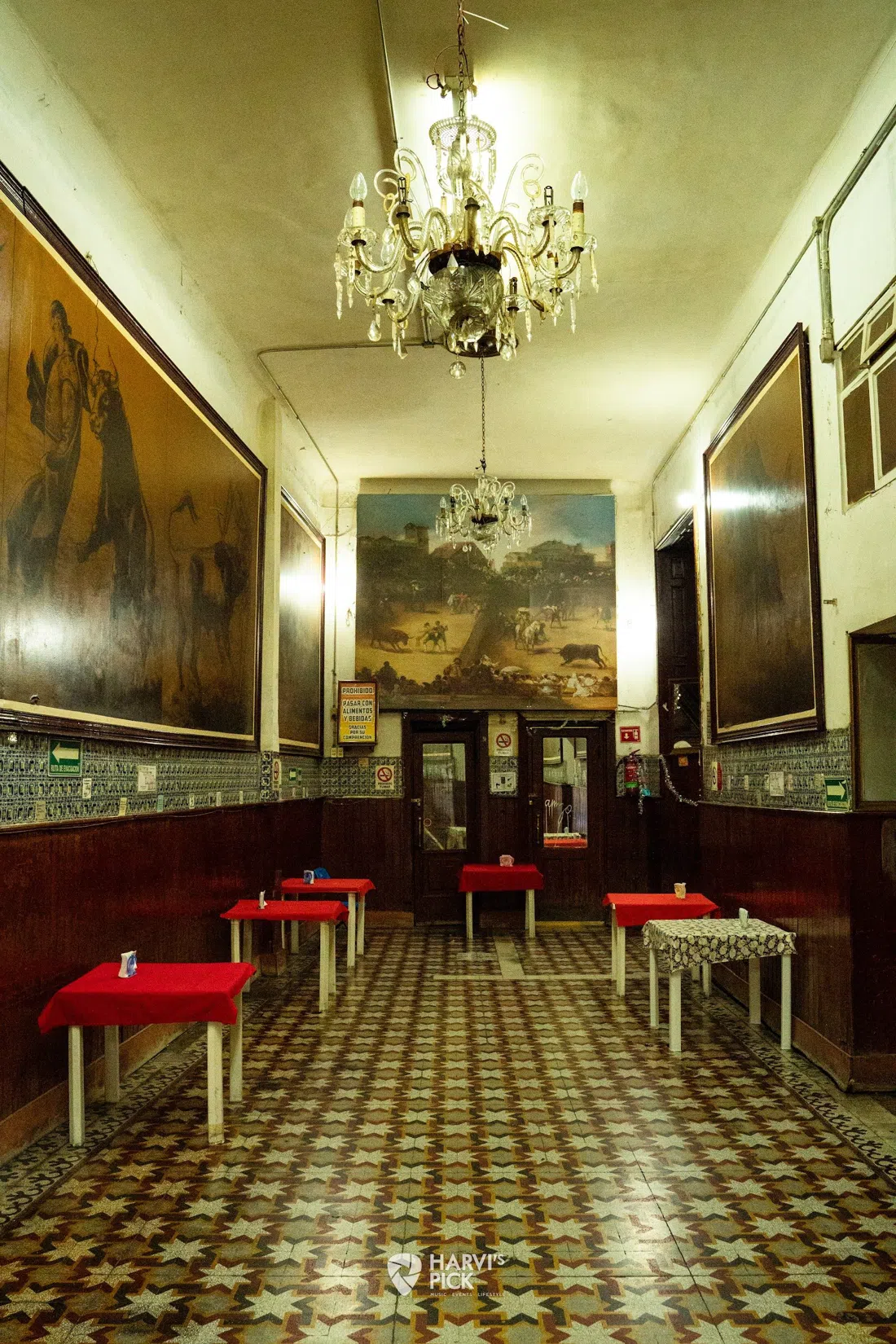
La Faena (Centro Histórico), a bullfighting-themed cantina closed Tuesdays and Wednesdays, runs the old-school ritual in its purest form: order a beer and a rotating parade of free botanas keeps arriving, unbidden, for as long as you stay. Communal tables suit groups well, and at $ (drinks with food effectively included) it's the cheapest sustained sobremesa on this list.
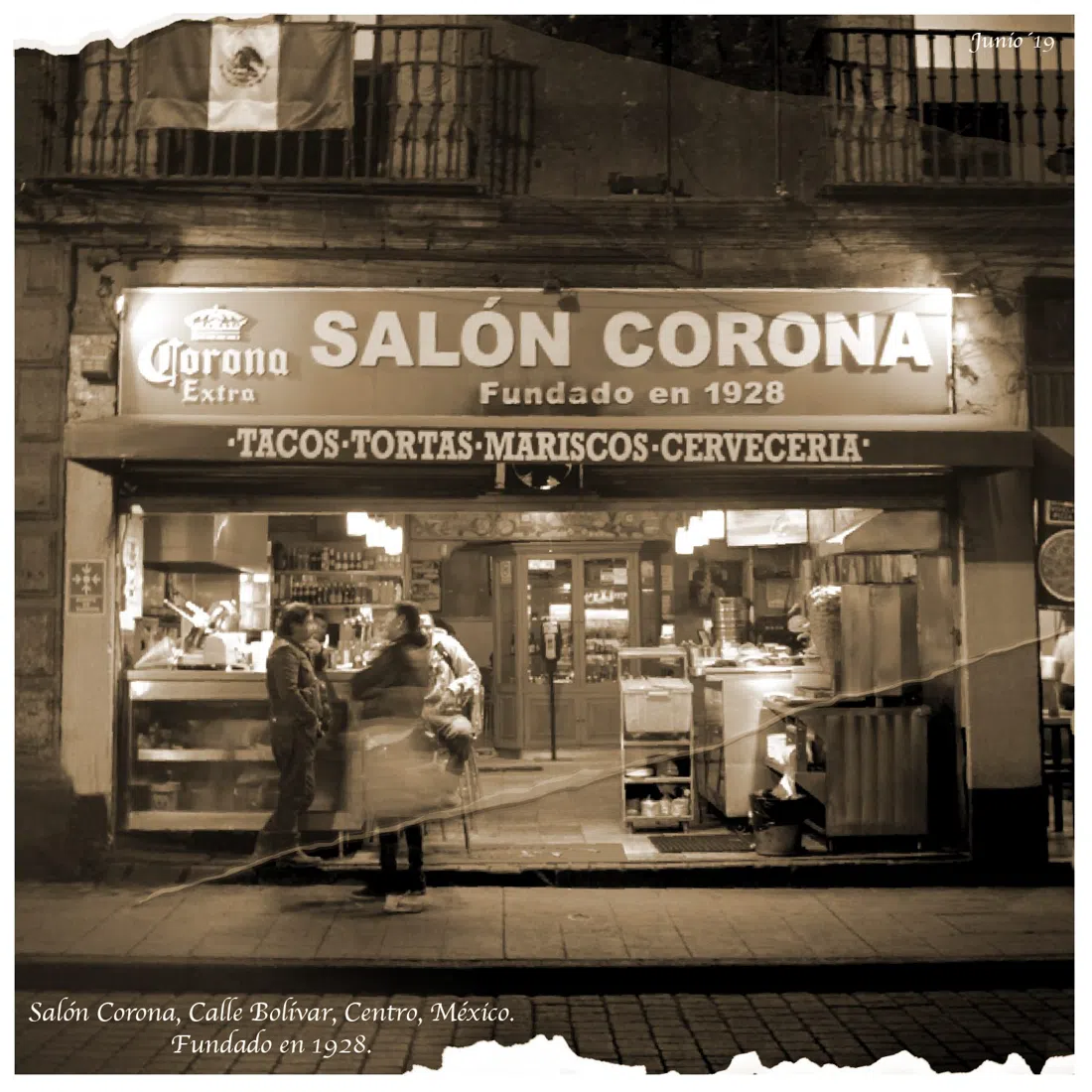
Salón Corona (Centro Histórico) is the working chilango's cantina, cheaper and considerably less touristy than the Garibaldi scene, built around tortas, tacos, and an unhurried round of beers with no cover charge and no strict door policy. It's a large room that handles groups easily, at $, and rarely feels like it's performing for visitors the way Tenampa can on a weekend night.
Historic halls where generations have lingered
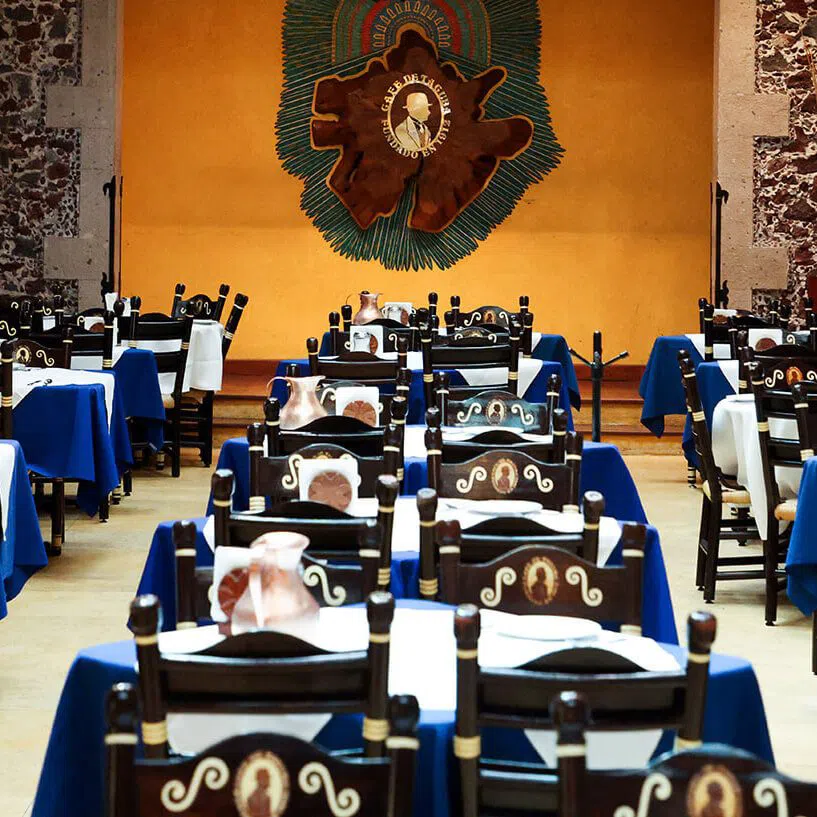
Some rooms have been running this ritual for over a century. Café de Tacuba (Centro Histórico) is a cavernous hall under stained glass where chilango families have lingered over café de olla for generations. It's especially good for a weekend breakfast with a large group; mains run 180 to 320 MXN.
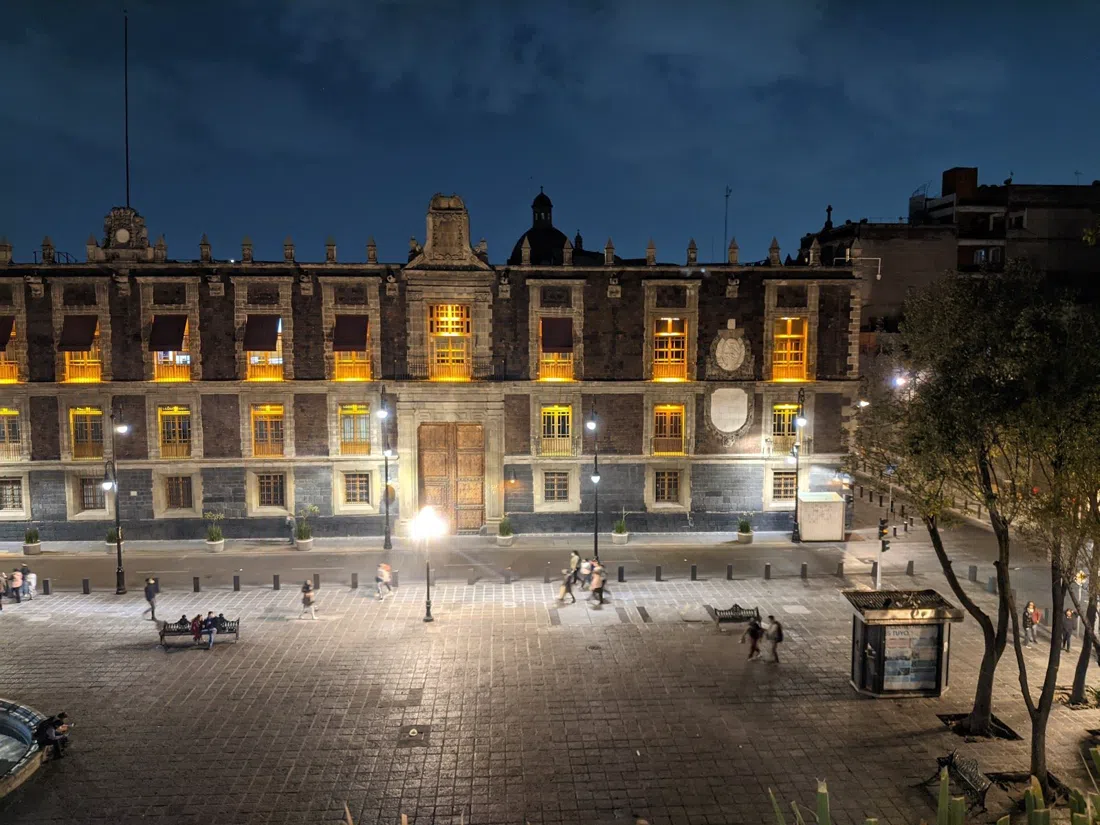
Hostería de Santo Domingo (Centro Histórico), billed as the oldest restaurant in the city, spreads across several dining rooms that handle groups comfortably, and the sobremesa here comes with genuine colonial-era architecture rather than a themed reconstruction of one. Mains run 200 to 350 MXN.
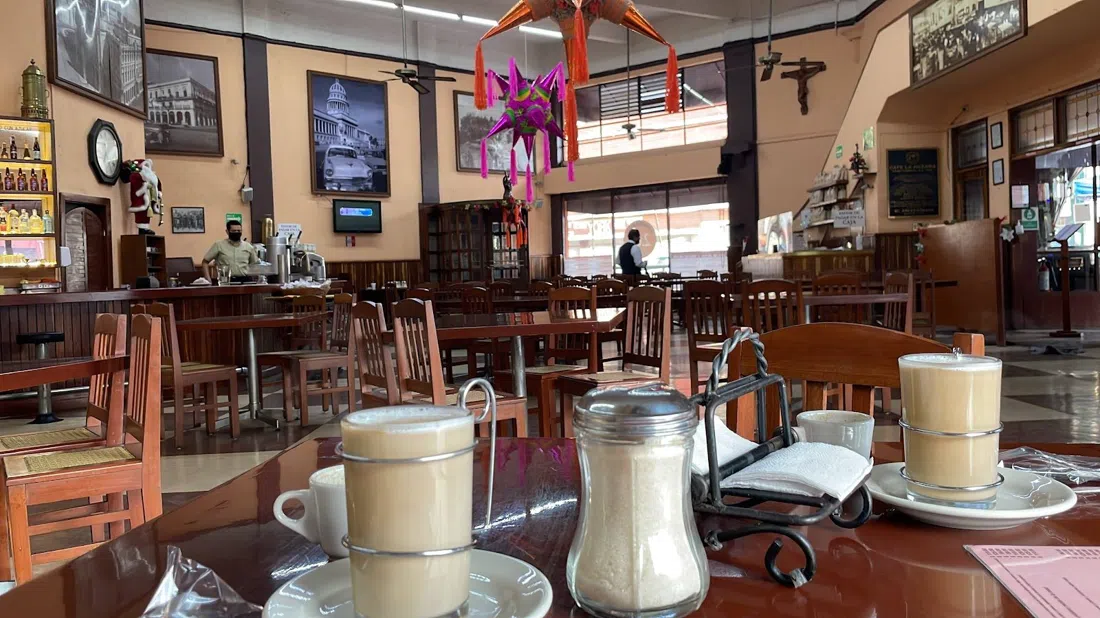
For something quieter and more contemplative, Café La Habana (Juárez) is the intellectual, chain-smoking-writers version of the ritual: coffee refills standing in for wine, the same refusal to hurry. It's casual, open early to late, good for a coffee-and-talk session with a small group or a solo notebook, and cheap: coffee and light Mexican breakfast fare at $.
When sobremesa turns liquid
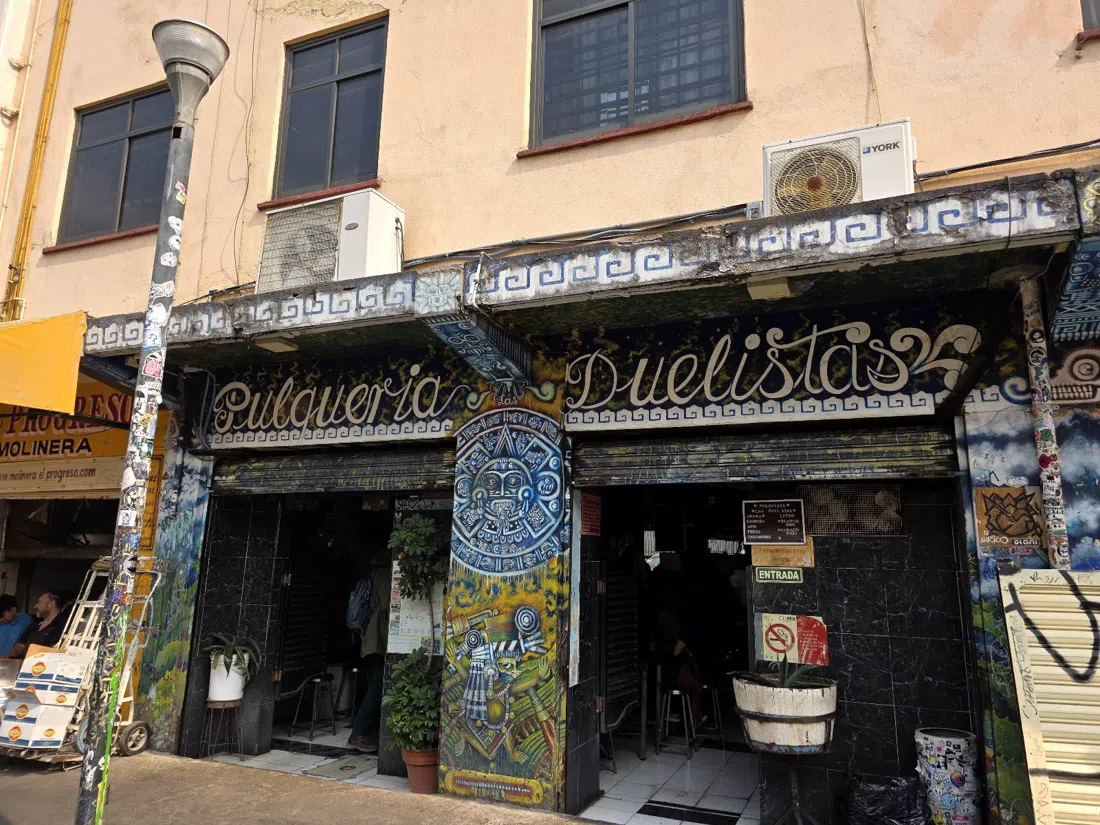
Two rooms on this list aren't restaurants at all, and they make the point that the ritual predates the meal entirely. Las Duelistas (Centro Histórico), a pulquería with shared benches, is sobremesa's pre-Hispanic ancestor: pulque was always drunk slowly, in company, over hours, and this room, closed Sundays, still runs on exactly that rhythm. It's cash-friendly, cheap, and mixes locals with travelers without much friction, though it suits an easygoing group better than a formal date.
Bósforo (Centro Histórico, on Luis Moya) distills the same instinct into a mezcal flight. It's a small space best suited to groups of four to six, there are no reservations, and it fills quickly; arrive early or plan to wait outside. The ritual here is a slow tasting conversation with the bartender rather than a meal at all, at $$ for flights and small plates.
Planning the afternoon
Base yourself somewhere that makes both Roma Norte and the Centro Histórico easy to reach. Check a Mexico City hotel search before booking: the two clusters above sit a 15 to 20-minute taxi or rideshare apart, not walking distance from each other. Cash matters more than the guidebooks admit: cantinas like La Faena and Salón Corona, and the pulquería Las Duelistas, are far easier with pesos in hand than a card, and none of them expect a rushed tab. Timing follows the local clock, not a visitor's: lunch starts around 2pm and the real sobremesa doesn't begin until the plates are cleared around 4, so don't schedule a tight afternoon around any of these tables. Budget for the level of restaurant rather than the length of the visit: a $ cantina round can run a few hundred pesos a head for hours of company, while a Rosetta or Máximo Bistrot lunch that slides into sobremesa can comfortably clear 1,000 MXN a head once the wine is counted. For more on the city's rhythms beyond the table, the full Mexico City guide covers where to stay and how the different areas connect to each other.