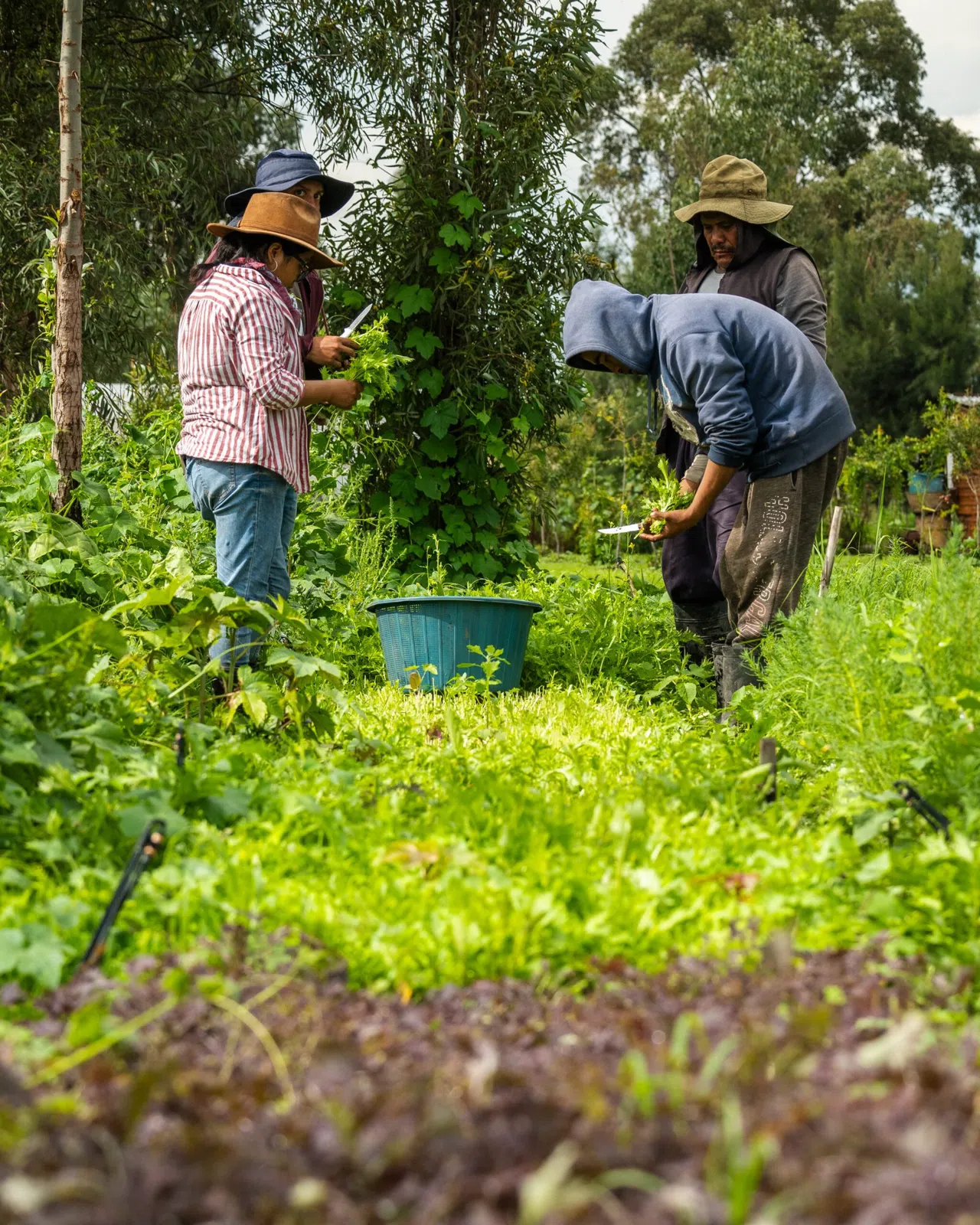
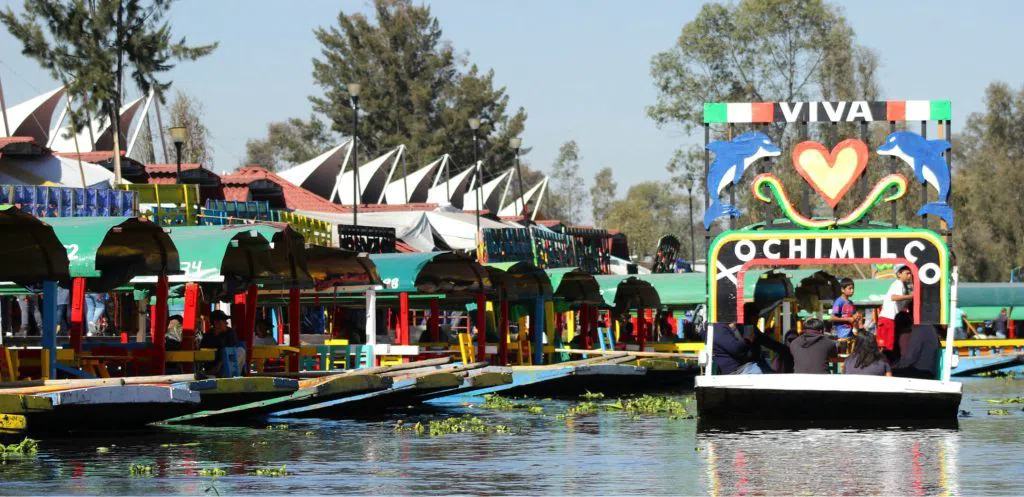
Long before the first speaker crackles with banda music and the first tray of micheladas gets passed hand to hand across a raft of trajineras, Xochimilco is a working landscape — a grid of canals and floating fields that has fed Mexico City since long before it carried that name. The party boats own the afternoon, and they are loud enough that most visitors never learn the water has another life entirely: one that starts at first light, smells of turned soil and epazote, and asks nothing of you but a willingness to get up early. That older Xochimilco — the one the chinamperos still farm, the axolotls still, barely, survive in, and a reopened lakeside museum has just given a fresh reason to visit in 2026 — is what this guide is for.
Before the Mariachi Boats: Dawn on the Ecological Route
The single most useful piece of information in this entire guide is a time: before 9am. That's the window before the sound systems switch on and the canals fill with rented trajineras stacked four deep, and it's the window every operator below is built around.
Embarcadero Cuemanco, at the southern edge of Xochimilco's canal network, is the official departure point for the ecological route — a quieter, more tightly managed corridor of water that runs toward the working chinampas rather than the party circuit. It was rebuilt and reopened in June 2026, so the docks, ticket booths and boat queue are newer and better organized than the older embarcaderos closer to central Xochimilco. Renting a trajinera here costs roughly US$50 an hour, and a single boat holds up to fourteen to eighteen people, which makes it cheap once split among a group and entirely reasonable for a couple who don't mind paying the full rate for privacy. Ask specifically for the ecological route, by name, when you book — the default offer at any embarcadero is usually the party circuit, and the staff will steer you there unless you're explicit.
For something smaller and built from the ground up around the sunrise idea rather than retrofitted onto it, Chinampas Xochimilco runs dedicated sunrise canoe tours in small private and semi-private groups, with English-speaking guides available on request. Prices run roughly US$40–90 a person depending on group size — cheaper per head the more people you bring, which makes it workable for a couple traveling alone or a small group splitting a slightly larger boat. The pitch is specific and honest: this is a tour built to beat the crowds, not a general-purpose canal ride that happens to run early. If your main goal is photographs of mist over the water and canals with no other traffic on them, this is the more purpose-built of the two.
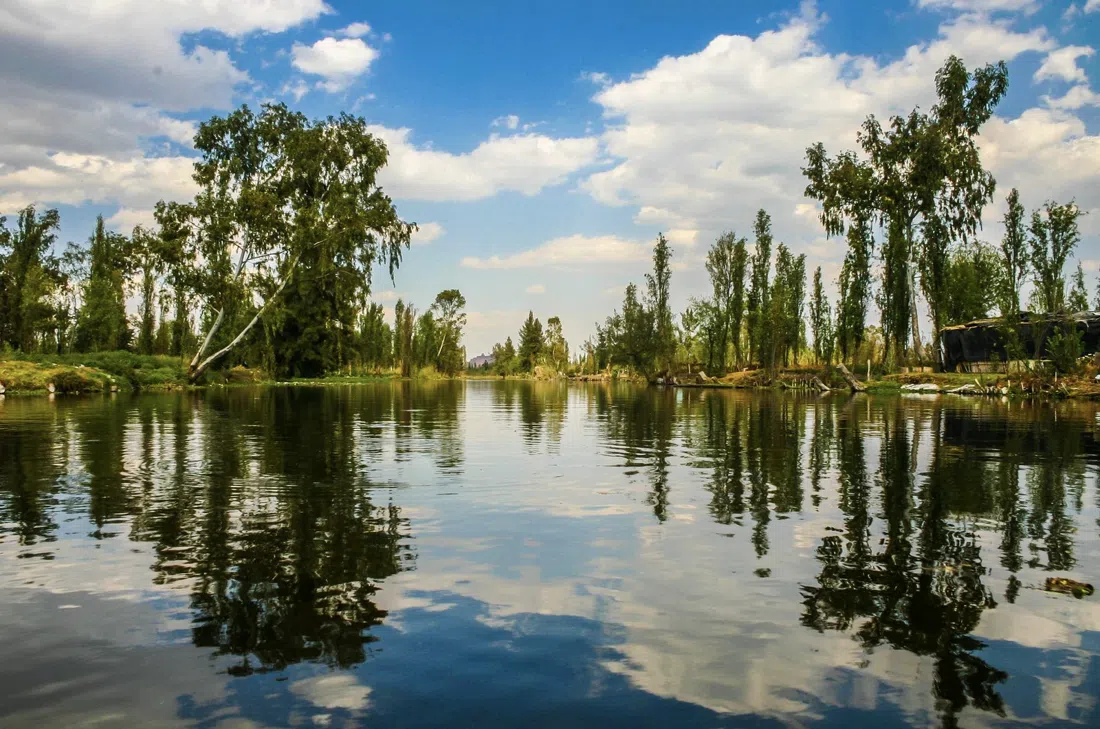
Either way, the discipline is the same: book the early slot, confirm in writing that it's the ecological or sunrise route rather than the standard embarcadero offer, and arrive at the dock, not just in Xochimilco, before nine.
Farms That Still Feed the City
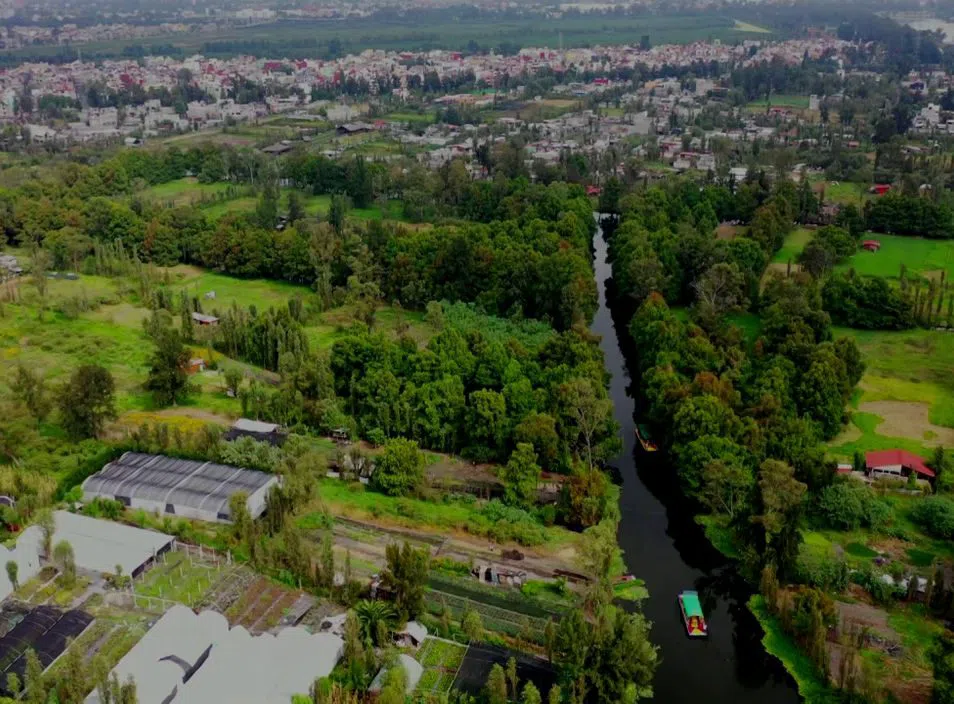
The chinampas are not a folkloric backdrop. They're a pre-Hispanic raised-bed farming system — narrow strips of reclaimed land built up from canal mud and reed, still yielding vegetables and herbs on some of the most productive agricultural soil in the country — and a handful of operators will take you to see them worked rather than just photographed.
Arca Tierra is the gold standard for this. It's a working regenerative farming collective, not a boat-rental stand, and its public sunrise experience departs deliberately ahead of the mariachi boats, costing around MX$1,100 per person. Tours run in Spanish with English assistance available for the public departures; full private tours conducted entirely in English can be arranged for groups, at a higher price, and are worth booking ahead if a language barrier would blunt the experience for you. This is the tour to choose if you want to understand the chinampa system as agriculture — soil composition, crop rotation, the canal-and-raised-bed logic — rather than as scenery.
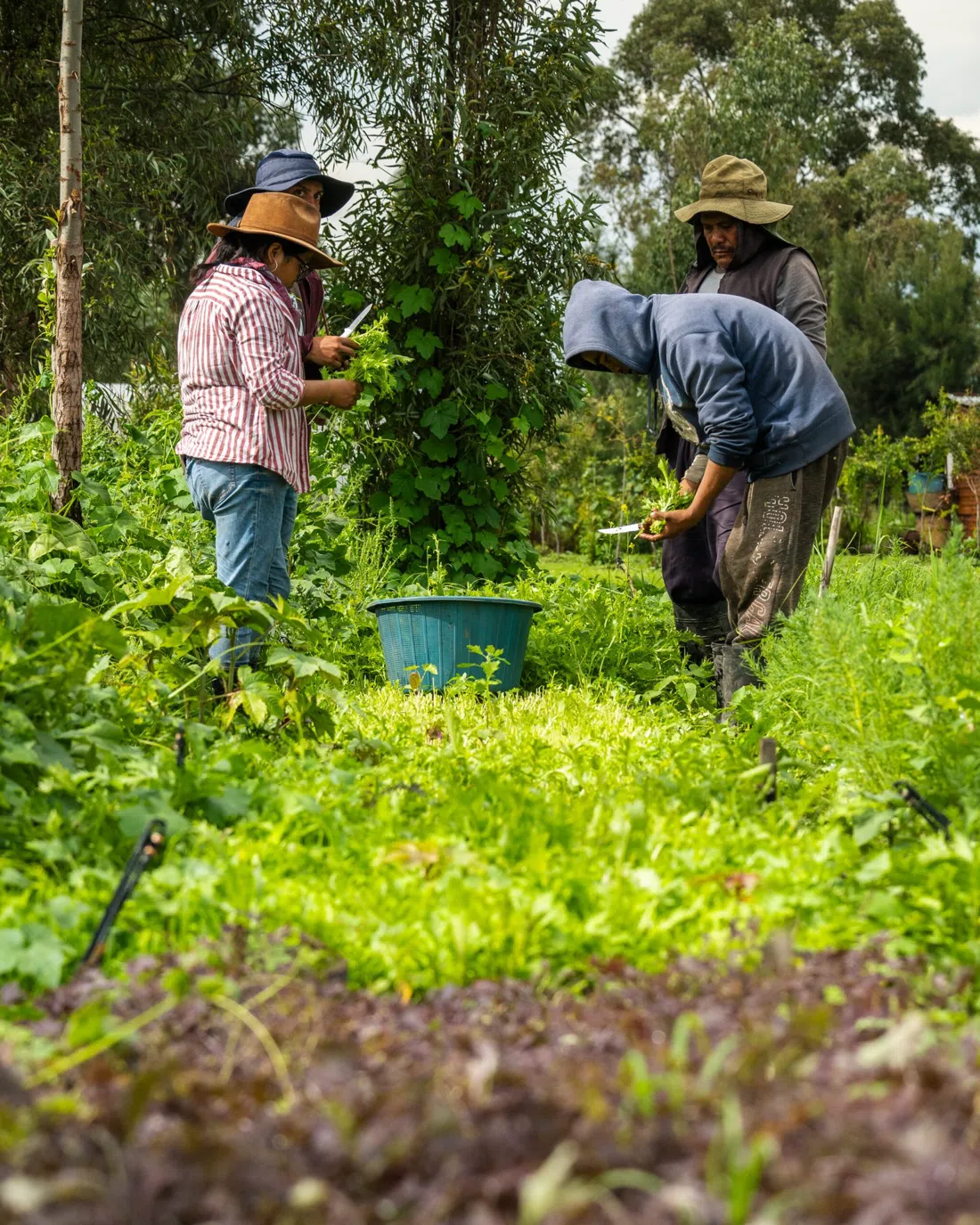
Yolcan takes a similar approach with a commercial hook that's arguably more persuasive than any marketing line: it supplies chinampa produce to Pujol and Contramar, two of the city's best-known restaurants, so the harvest you walk through is the same produce that ends up on plates a few kilometers north. Small groups depart from Embarcadero Cuemanco with advance booking, and the roughly US$60–90 per person price includes both the harvest tour and lunch, which makes it a full half-day rather than a add-on activity. Book ahead — group sizes are fixed and it isn't a walk-up operation.
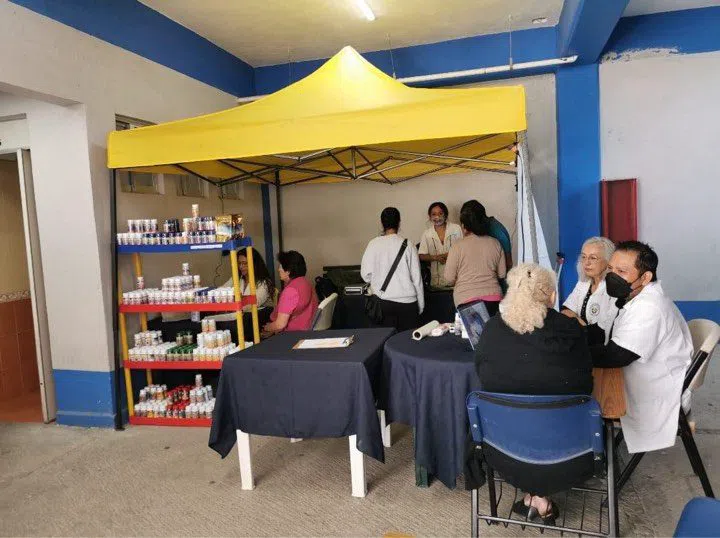
For a more personal, name-a-face version of the same idea, De la Chinampa a tu Mesa is a nonprofit-backed farm tour led personally by its founder, running in both English and Spanish for small groups by appointment, at roughly US$50–90 a person depending on group size. It suits travelers who'd rather have a direct conversation with the person running the operation than join a larger commercial outfit — reach out ahead of time, since these are appointment-only and don't run on a fixed public schedule the way Arca Tierra's sunrise tour does.
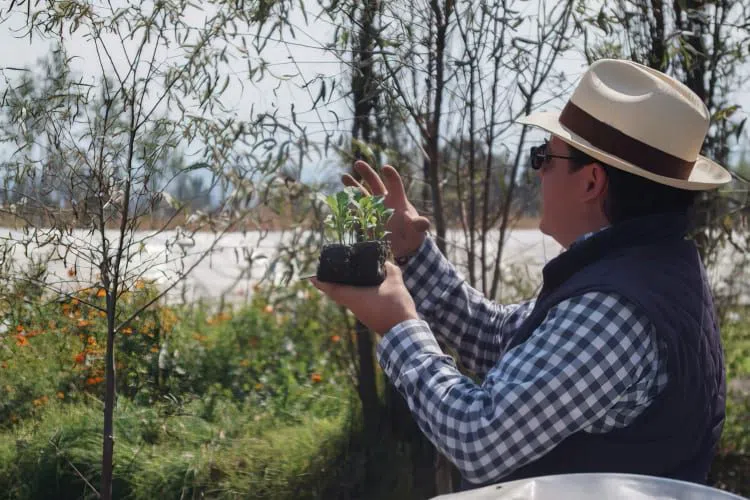
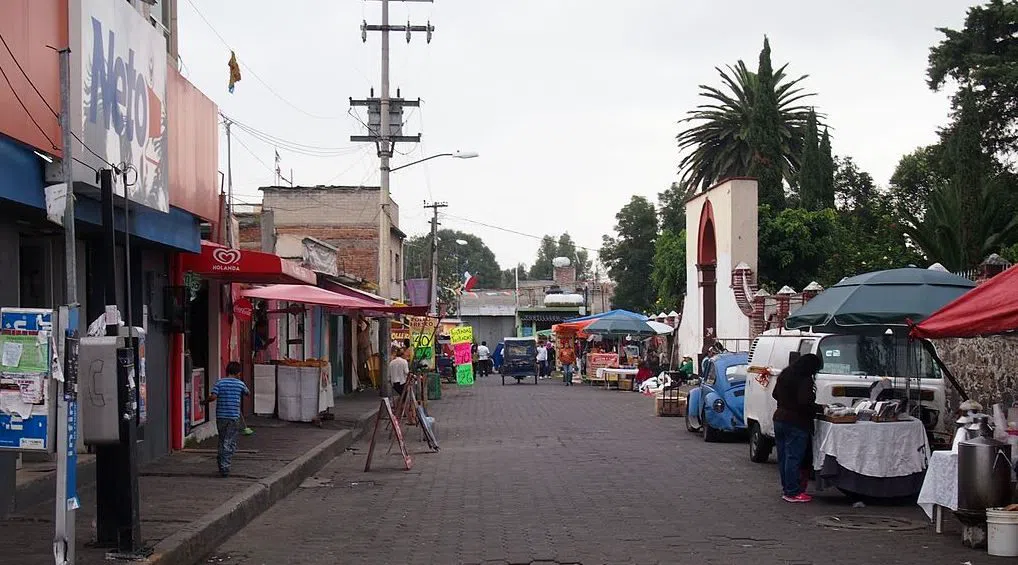
And if you'd rather skip the tour structure altogether, San Gregorio Atlapulco is one of Xochimilco's original chinampero settlements and a UNESCO-listed working farm zone in its own right — effectively the source village for the produce the party boats float past without ever stopping to see. It's free to wander, self-guided or with a local guide, and best reached by hired trajinera or a local operator rather than a packaged tour. The village's ecotourism center runs low-cost guided visits for a few hundred pesos. This is the option for travelers who want the real village rather than a curated tour of it, and who are comfortable arranging transport a little more independently.
The Last Wild Axolotls
Xochimilco's canals are the last place on Earth where the axolotl survives in the wild, and the animal is critically endangered there — a fact that most party-boat operators mention only as a novelty, if at all.
Santuario Ajolote is run by CIMA A.C., a conservation nonprofit, and it's the most legitimate axolotl-canal experience worth pointing anyone toward, precisely because the money funds the species' last wild refuge rather than a roadside tank display. It runs small-group and private trajinera tours lasting around two hours, priced at roughly US$40–60 per person, and also books corporate "Guardian" conservation team activities for groups looking for something more structured than a standard tour. Manage expectations here: this is a conservation-education tour built around a genuinely fragile population, not a guaranteed wildlife sighting, and the guides will tell you that plainly. Go for the context and the cause as much as for the animal itself.
A House on the Water, Reopened
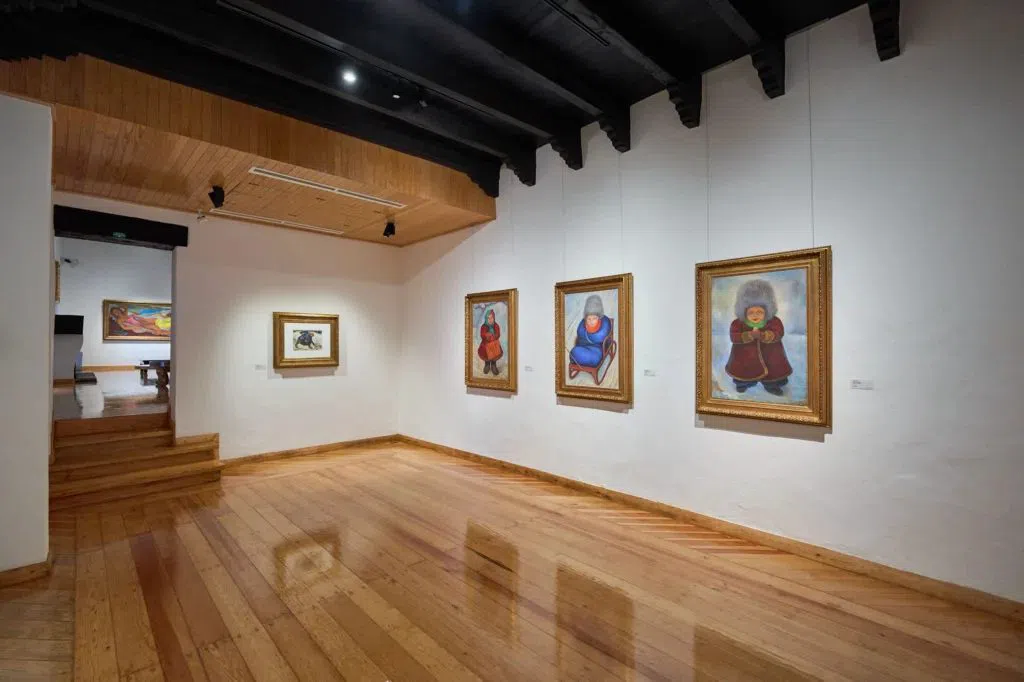
Museo Dolores Olmedo sits on the canal-adjacent grounds of a former hacienda and reopened on 30 May 2026 after a six-year closure, bringing back a collection of more than 100 Kahlo and Rivera works alongside its gardens and peacocks. It's a genuine 2026 news hook and also simply a good use of a couple of hours between canal activities — standard museum admission, easy for groups, priced at roughly MX$100 for foreign visitors and free on Tuesdays. It's closed Mondays, which is worth building into an itinerary if you're combining it with an early-morning canal tour on a tight schedule. Of everything in this guide, it's the one stop that has nothing to do with boats at all, and it works precisely because of that contrast — a quiet counterpoint to the water, five minutes from canals that are, at that same moment, filling up with sound systems.
Water Without Boats
Two spots in the wetland have no canal traffic whatsoever, party or otherwise, which makes them useful for anyone who wants the ecology of Xochimilco without getting on any boat at all.
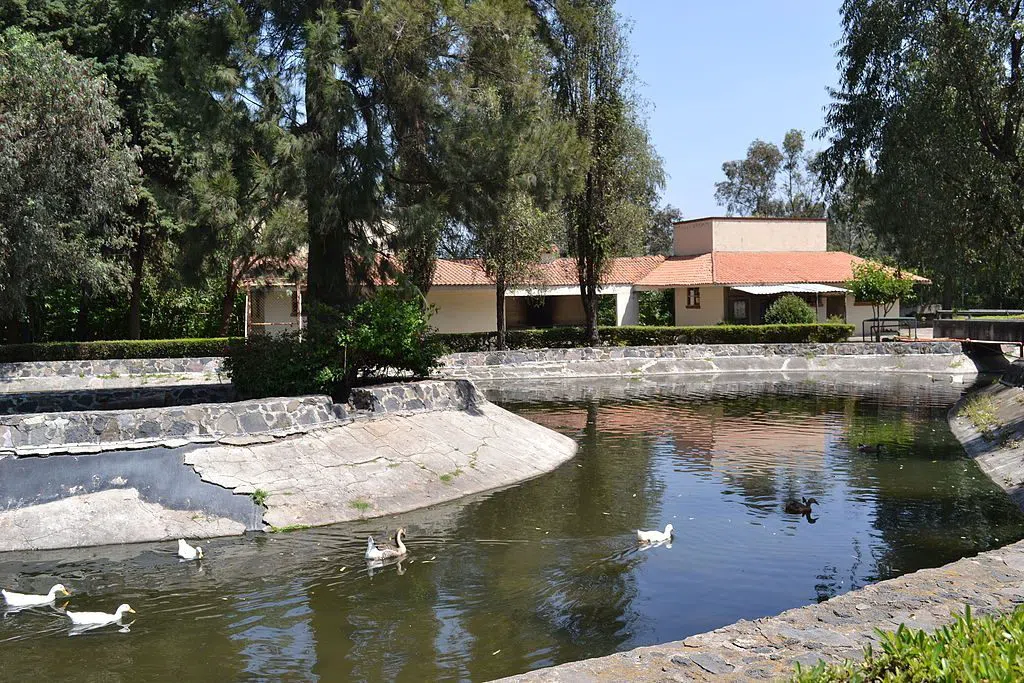
Centro de Cultura Ambiental Acuexcomatl is free, public, and self-guided or joinable via scheduled bike and walking tours — a genuinely quiet, non-commercial pocket of the wetland that suits families or anyone traveling with kids who'd rather walk than sit in a canoe for hours.
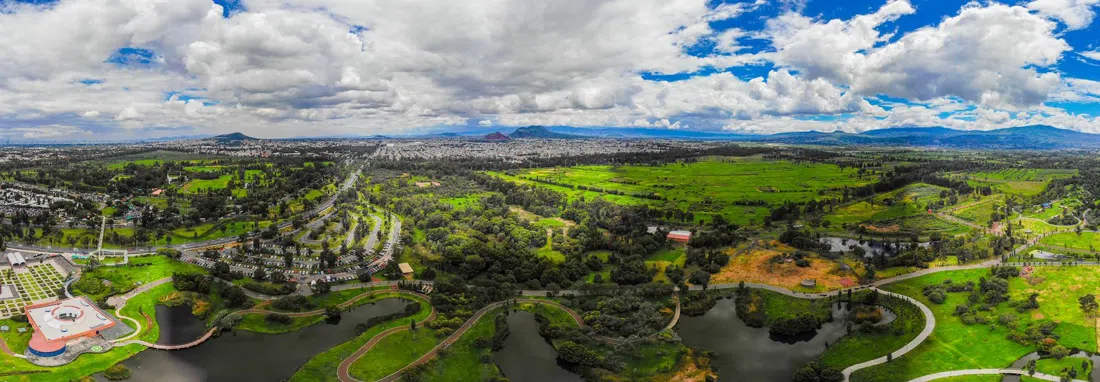
Parque Ecologico de Xochimilco is a separately protected natural area, structurally distinct from the open canal network, which means it is quite literally incapable of the kind of party-boat traffic that defines the main embarcaderos. Entry is ticketed but cheap — a low entrance fee plus an optional boat ride if you do want some time on the water, just on a controlled, much calmer stretch of it. It handles groups comfortably and is the clearest built-in contrast in the whole destination: same wetland, same canals in spirit, none of the chaos.
The Market That Feeds the City
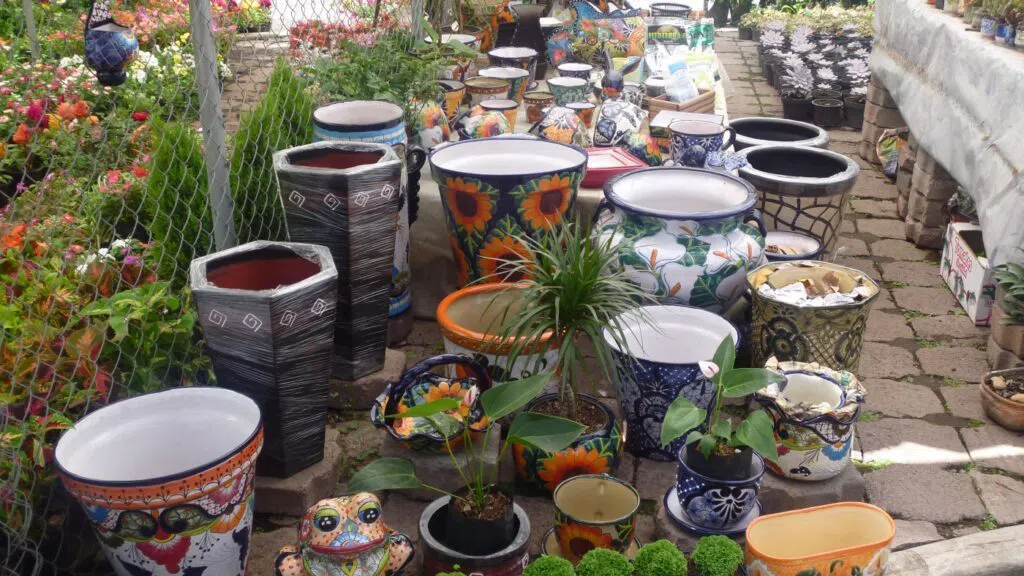
Mercado de Plantas y Flores de Cuemanco, next to the embarcadero of the same name, is reputedly the largest plant market in Latin America, and its stock is sourced directly from the surrounding chinampas — which makes it a tangible, photogenic link between the floating gardens and the city that eats and decorates from them. It's an open-air public market, free to enter, easy for groups to wander at their own pace, and needs no booking at all. Plants and flowers are priced individually and are generally cheap. It pairs naturally with an early canal tour that departs from or passes near Cuemanco — a good stop for the walk back to transport once the boat portion of the morning is done.
The Doll Island — Handle With Honesty
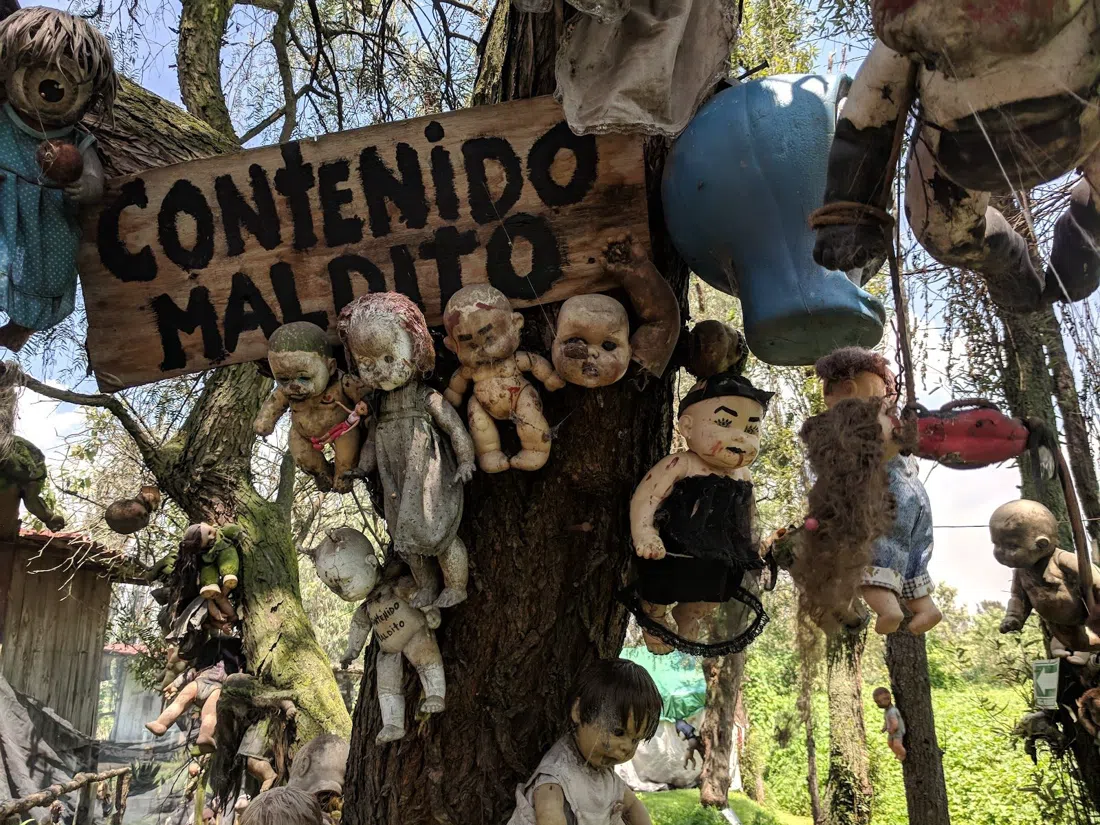
Isla de las Munecas, reached via the operator Trajitours, is genuinely unsettling and historically grounded rather than a manufactured party stop — hundreds of decaying dolls hung from trees by a chinampero who, by local account, was trying to appease the spirit of a drowned girl. It's worth being direct about the logistics before booking: this is a full-day commitment. A full trajinera, holding up to about eighteen people, runs roughly MX$1,250 for the round trip plus about MX$120 per person for island entry, and the round trip runs to around five hours — a distance that suits a group splitting both the boat cost and the day, not a couple looking for a quick detour. It's also worth knowing, and saying plainly to anyone booking, that the original island is a long haul from the main docks, and that closer replicas exist along the more heavily trafficked routes closer to the popular embarcaderos. If the real island's history matters to you rather than just the photograph, confirm with the operator in advance that you're booking the original site and not one of the nearer stand-ins.
Practical: Getting There, Cash, Timing, Budget
Xochimilco is its own borough in the south of Mexico City, roughly an hour from the historic center by car depending on traffic, and considerably longer by public transport if you're coming from the north of the city — plan the morning around that travel time, not just the tour length, if you're aiming for a pre-9am departure. A taxi or rideshare booked the night before is the most reliable way to make an early slot; public transport options exist but add real time on tour days when timing is the entire point.
Carry cash. Almost everything in this guide — trajinera rentals, farm tour fees, market purchases, museum entry — is priced and paid in pesos, and small operators at the embarcaderos and villages are not set up for cards. ATMs are not reliably available once you're out among the canals and chinampas, so withdraw what you need in central Xochimilco or before you leave the main part of the city.
Budget-wise, a sunrise farm tour or ecological canal trip runs from under MX$1,100 a person at the cheaper end (Arca Tierra's public departure) to US$60–90 for the food-and-farm combination tours, with the doll island excursion as the priciest single outing once split across a full boat. A sensible full day — an early farm or canal tour, the flower market on the way out, and the Dolores Olmedo museum in the early afternoon before it closes — comfortably fits inside a single morning-into-afternoon itinerary and costs a fraction of what an afternoon on the party boats does, minus the noise.
If you're building a longer stay around this side of the city, our Mexico City guide covers the wider itinerary, and you can line up somewhere to stay via Mexico City hotel search. Whichever of these you choose, the rule holds across all of them: go early, bring cash, and let the boats with the sound systems have the afternoon.