
Mexico City had already forgotten pulque once. By the late twentieth century it was the drink of grandfathers and unmarked storefronts, something urban, image-conscious chilangos avoided out of embarrassment rather than dislike. Now the fermented sap of the maguey plant — the drink the Aztecs called octli and reserved for priests, the elderly, and the ritually sanctioned drunk — is being ordered by twenty-somethings who never met a pulquería their parents didn't warn them off. The revival is not a rumor or a marketing campaign. It is happening in bars that are two hundred years old and bars that are five, sometimes on the same block, and it is worth understanding before you order your first jarra.
A Drink That Predates the Cathedral
Pulque is older than tequila, older than mezcal, older than the Spanish word for either. It comes from aguamiel, the sweet sap tapped from the heart of a mature maguey once its central stalk is cut away, and it ferments fast — within hours, not months — into something cloudy, faintly sour, viscous, and mildly effervescent. There is no distillation, no aging, no shelf-stable version of the truth: a pulque that traveled well from Hidalgo or Tlaxcala this morning is a different drink from the same barrel by evening. That instability is precisely why it never industrialized the way beer did. Pulquerías served it because they had no other choice, brewing and pouring on a clock the drink itself set.
The decline had specific causes rather than a vague loss of fashion. Post-Revolutionary health campaigns targeted pulque production as unsanitary — not entirely without reason, given how some was cut and stored — while brewers with better distribution and colder logistics simply out-marketed it. By the 1980s, entire neighborhoods that once had a pulquería on every second corner had one, if that. What's happening now isn't nostalgia so much as a generation deciding a live, unbottleable drink tied to a specific plant and a specific afternoon is worth the inconvenience. For context on the city these bars sit in, the Mexico City guide is a useful place to start before mapping out an evening.
Learn the Word Before You Order
Panana (near Metro Hidalgo, on the edge of the Centro) pairs a pulque museum with a working bar, and it's the single most useful stop for anyone arriving with no context. You can walk through a short, well-organized account of how pulque is made and why it nearly disappeared, then sit down in the same building and order a jarra with an actual sense of what's in it. It's popular and well-trafficked rather than a quiet study hall, which makes it comfortable for groups who want a structured warm-up before the rest of the night — fifteen minutes of history, then a drink, no lecture required.
The Friendliest First Round
Three places make sense for anyone who has never had pulque and isn't sure they'll like it.
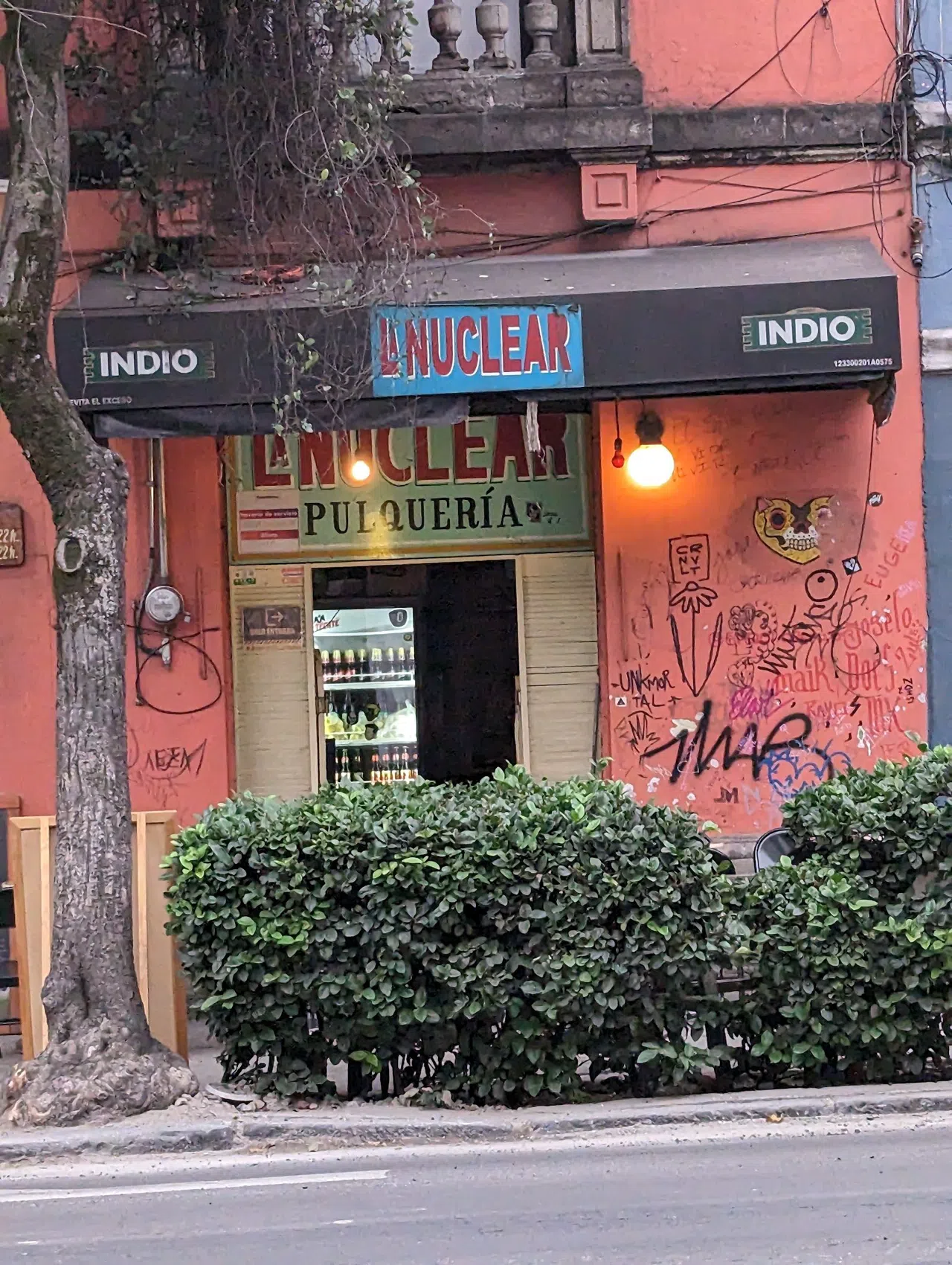
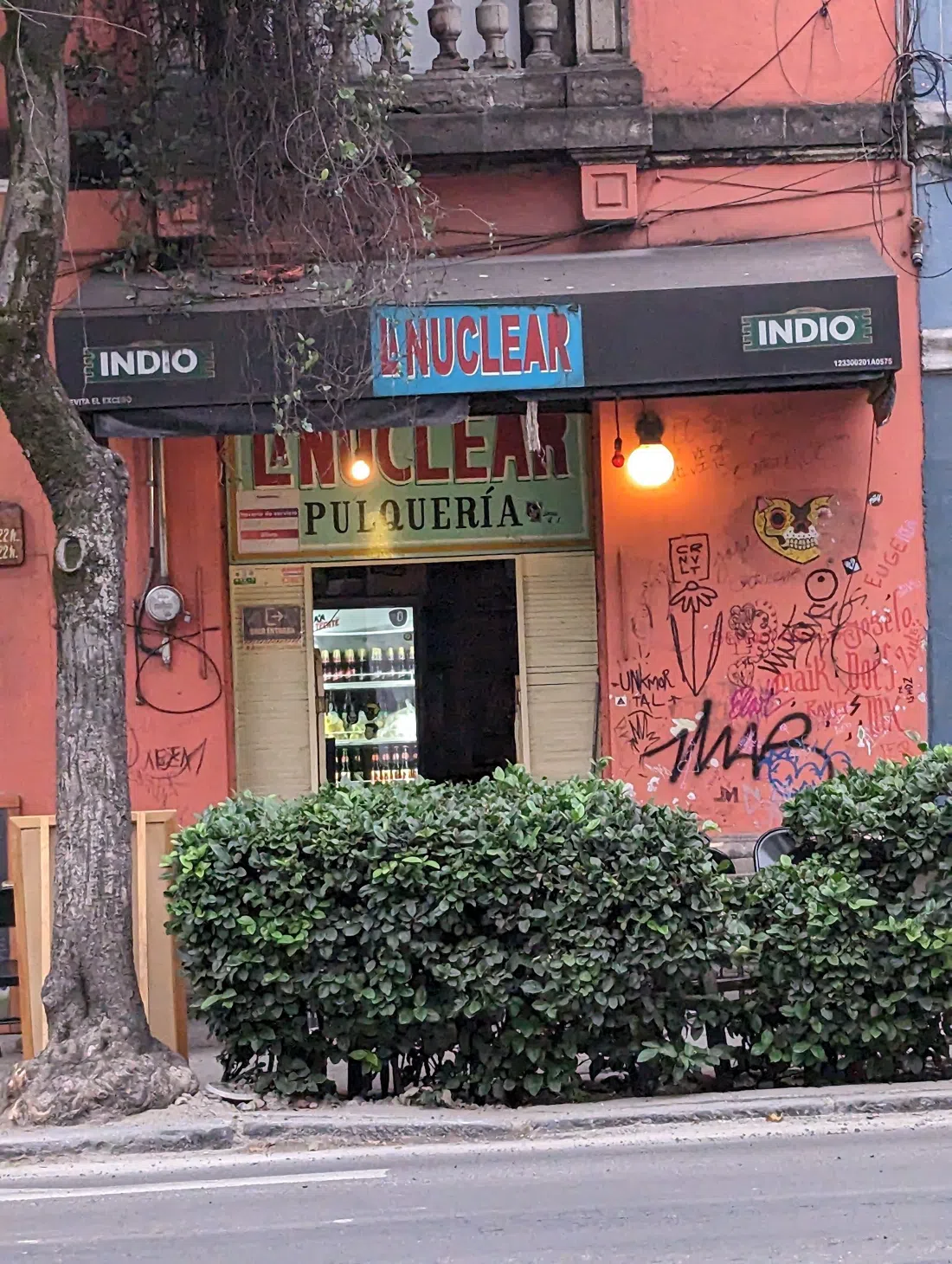
La Nuclear (Roma Norte) is the gateway pulquería most locals point newcomers toward first, and it earns that reputation by being genuinely unintimidating — approachable staff, a mixed crowd, and mugs running roughly 30 to 50 pesos. The catch is popularity: there's no reservation system, and on a Friday or Saturday night it fills fast enough that arriving early isn't optional if you want a table for a small-to-medium group.
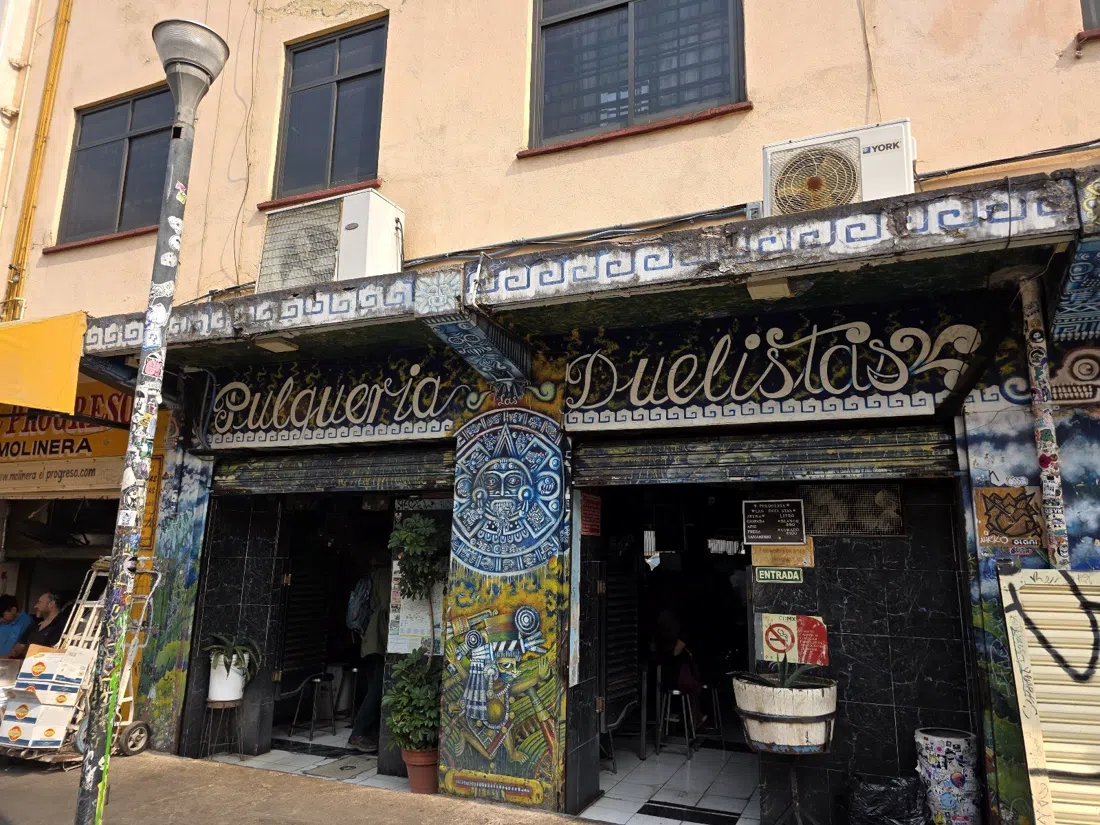
Las Duelistas (Centro Histórico) is the pulquería most visitors have already seen a photograph of, whether they know it or not — over a century old, painted in a mural of interlocking hands and animal motifs, and built around one of the widest curado menus in the city. It's also the most organized around groups: guided walking tours route through here specifically because it can absorb a crowd without the room feeling like a private party got invaded. It's closed Sundays, which trips people up more than it should.
Los Insurgentes, formally the Expendio de Pulques Finos Insurgentes (Roma–Condesa border), is the counterpoint to everything above — a multi-floor modern reinvention with DJs, a rooftop, live music, and a nightlife crowd that has nothing to do with the neighborhood-bar model the other pulquerías run on. Prices sit a tier higher ($$) since it pours cocktails alongside pulque, and it's the easiest venue on this list for a genuinely large group, precisely because it wasn't built as a pulquería in the traditional sense — it was built as a club that happens to serve pulque. Late at night it gets loud and dense in the way any nightclub does, which is worth knowing if you were picturing something quieter.

Where Pulque Never Left
Some pulquerías skipped the revival because they never needed reviving. These are worth the detour precisely because nothing about them has been arranged for visitors.
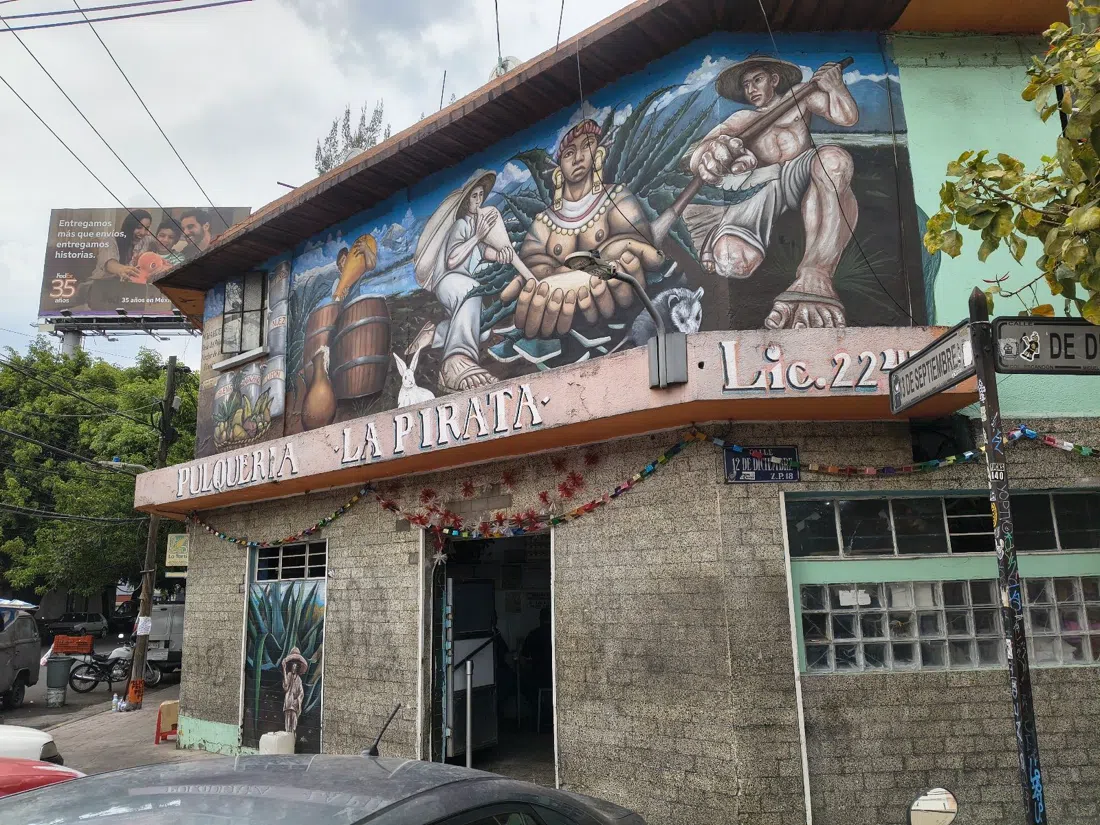
La Pirata is one of the last genuinely unreconstructed pulquerías left in the city — cash only, no concessions to spectacle, a local crowd that treats the place as exactly what it is: a neighborhood bar. Groups are welcome in the sense that nobody will turn you away, but it isn't set up for large parties or anything resembling bottle service, and it rewards people who want the real texture of the scene over the photogenic version.
El Recreo de Manzanares, near the historic La Merced market, is a small, daytime-only operation (roughly 9am to 7pm) housed in one of the surviving examples of the city's old pulque-hall architecture — worth a look for the building alone, quite apart from what's in the glass. It suits small groups rather than a proper night out, since it closes well before dinner.
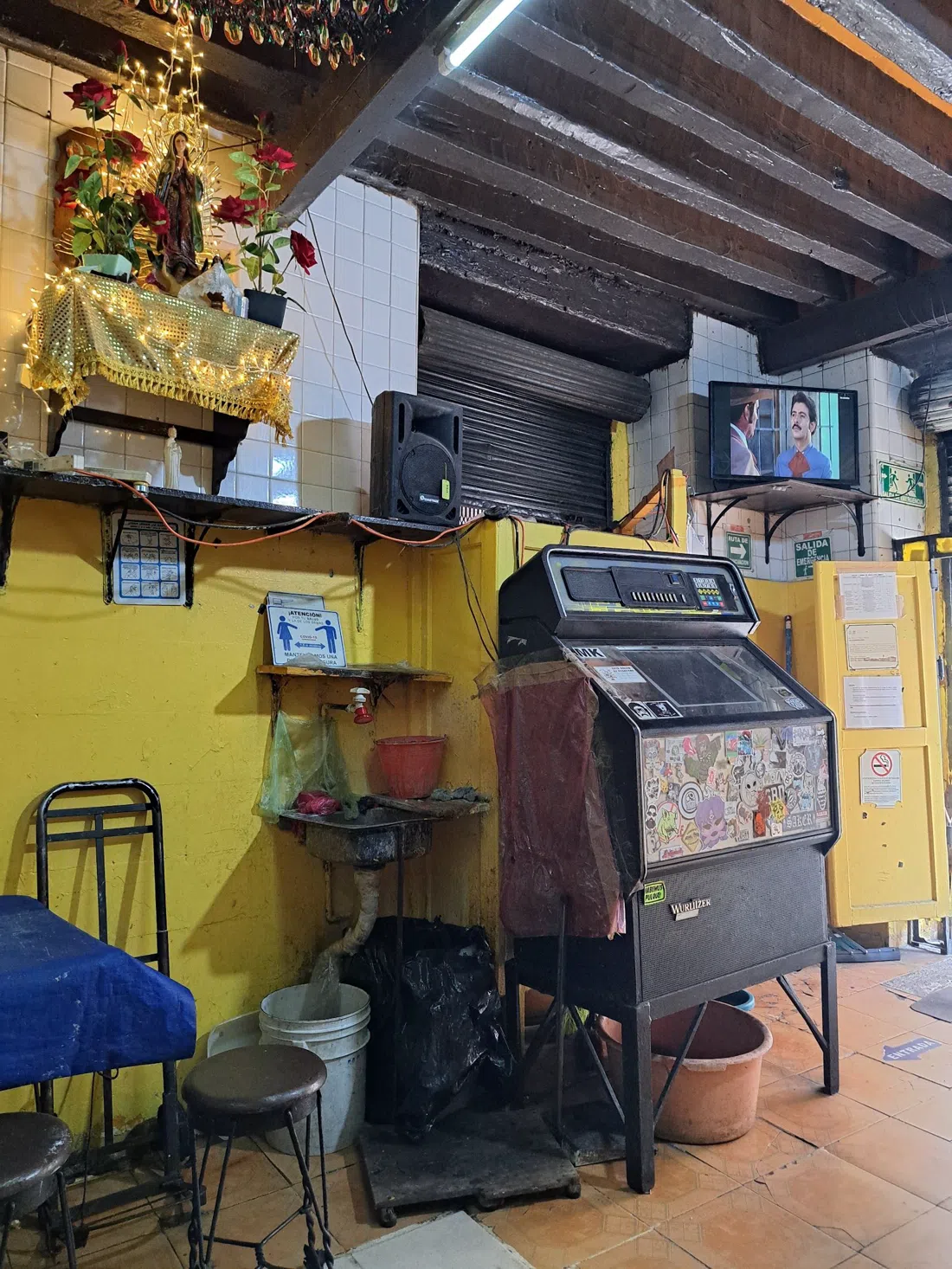
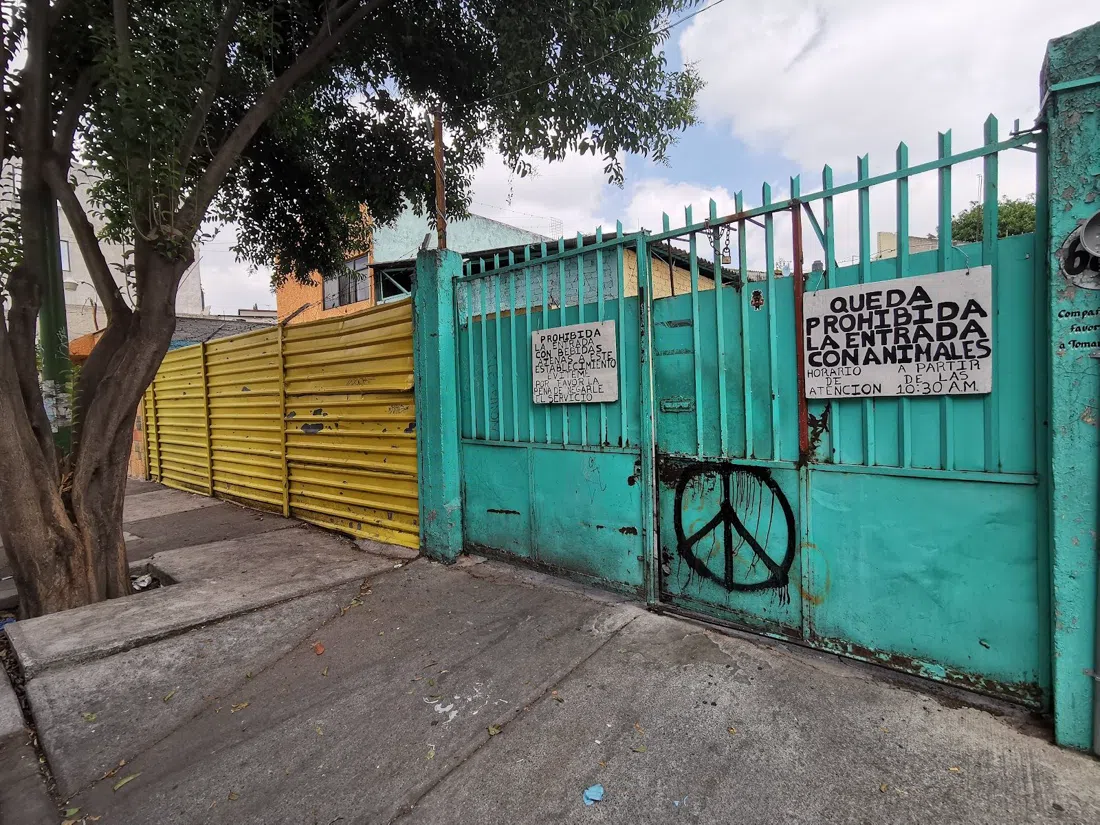
La Reforma de las Carambolas, in a quiet colonia well outside the usual Centro–Roma circuit, is a genuine deep cut: open only from about 10:30am to 6pm, local rather than curated, and best reserved for readers who've already done the well-known stops and want to see the drink in a setting with zero tourist infrastructure. Small groups are fine; this isn't a place to arrive at with an itinerary.
Music and the Loud End of Tradition
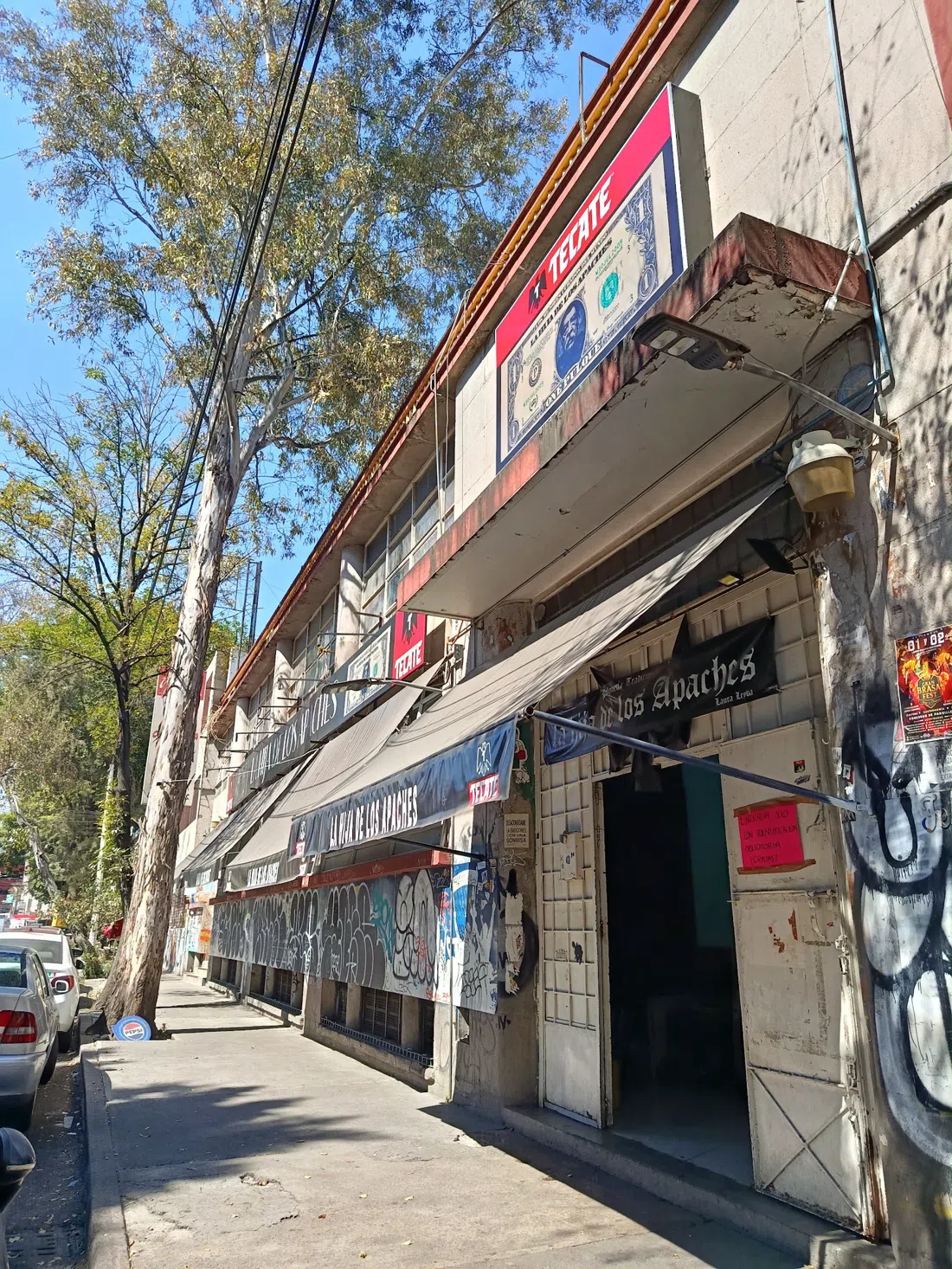
La Hija de los Apaches (Doctores) is a traditional pulquería that never went quiet — regular live-music nights turn it into something closer to a dance hall than a bar, with a crowd that skews toward wanting culture and a party in the same visit rather than a subdued drink. It's one of the better arguments against the idea that "traditional" and "loud" are opposites; this is a working-class institution that has always had music running through it, and it suits groups who want to move rather than sit.
Pairing a Pulquería With the Rest of the Day
Two pulquerías make sense less as standalone destinations and more as one half of a day already in motion.
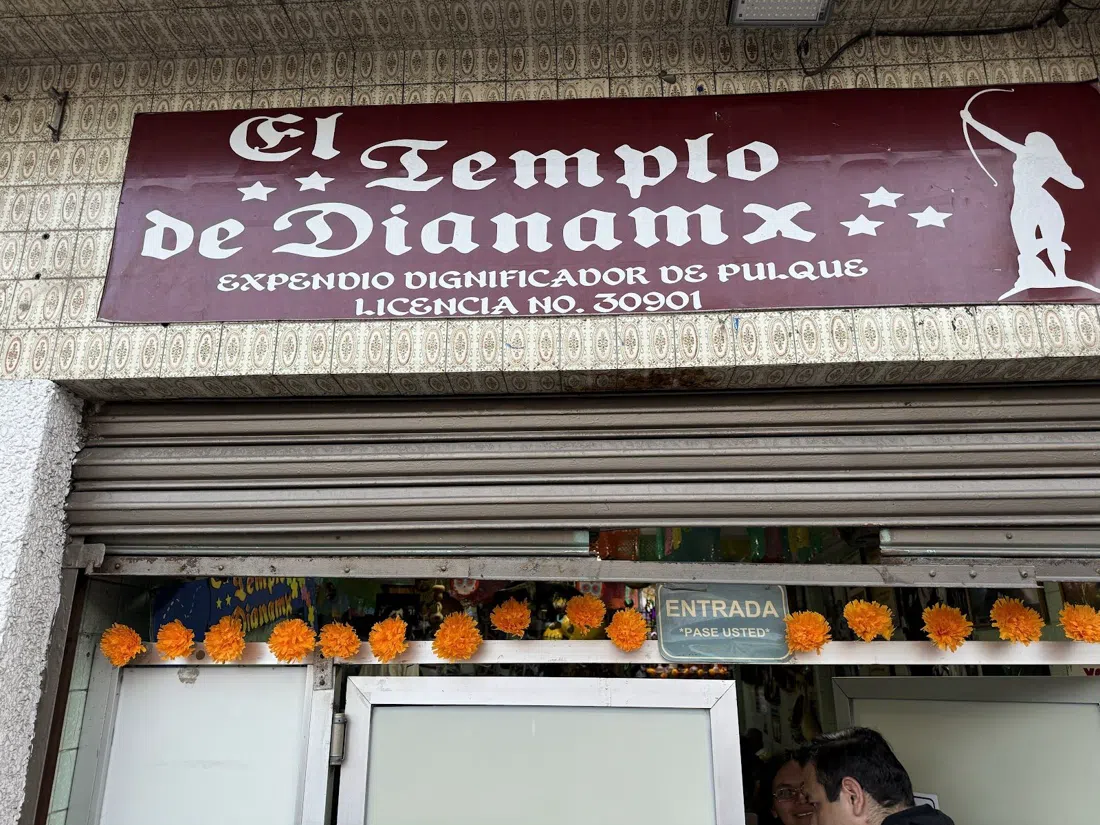
El Templo de Diana, on the approach to Xochimilco, has a comfortable, mixed-age local crowd and long communal tables that suit groups well — and it pairs naturally with a trajinera canal-boat afternoon, since most visitors are already in the area for exactly that. Treat it as the second half of a Xochimilco day rather than a destination in its own right.
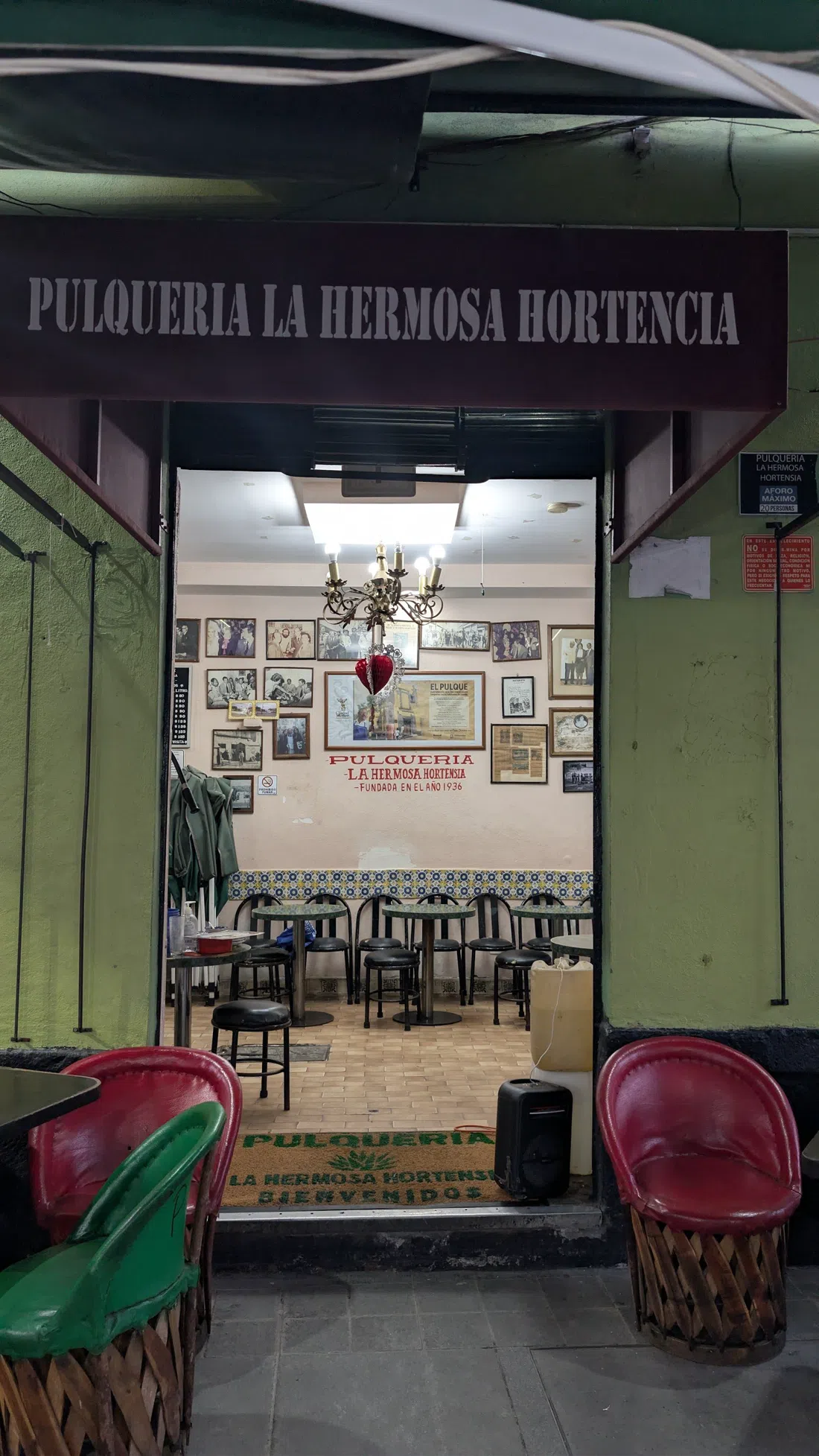
La Hermosa Hortensia, a few steps from Plaza Garibaldi, is set up for exactly the kind of evening international visitors tend to plan anyway: a mariachi night followed by, or preceded by, pulque somewhere unpretentious. It's genuinely tourist-friendly — welcoming to foreign visitors and groups without feeling staged — which makes it the easiest combination on this list to actually execute without local guidance.
The Neighborhood Survivors
Two pulquerías carry a family story that says something about how the drink has actually persisted, generation to generation, rather than been revived from nothing.
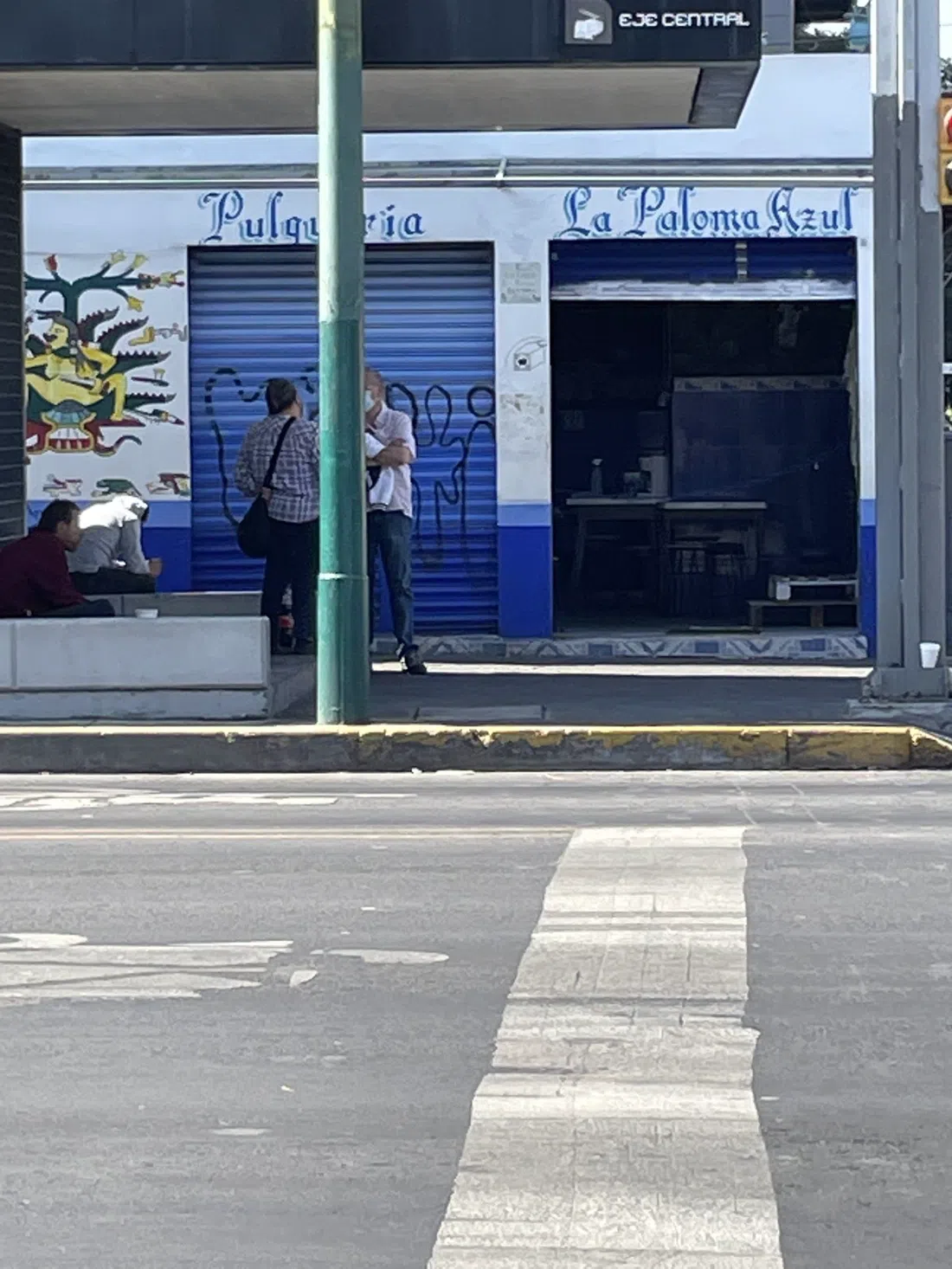
La Paloma Azul (Portales) is one of the neighborhood's oldest pulquerías, open daytime hours (9am to 6pm) with a low-key, local crowd rather than a nightlife one. Since its founder's death in 2024, it has been run by his daughter — a continuity that matters more here than at almost any other bar on this list, since so much of pulque's near-extinction was about exactly this kind of small operation failing to pass to a next generation.
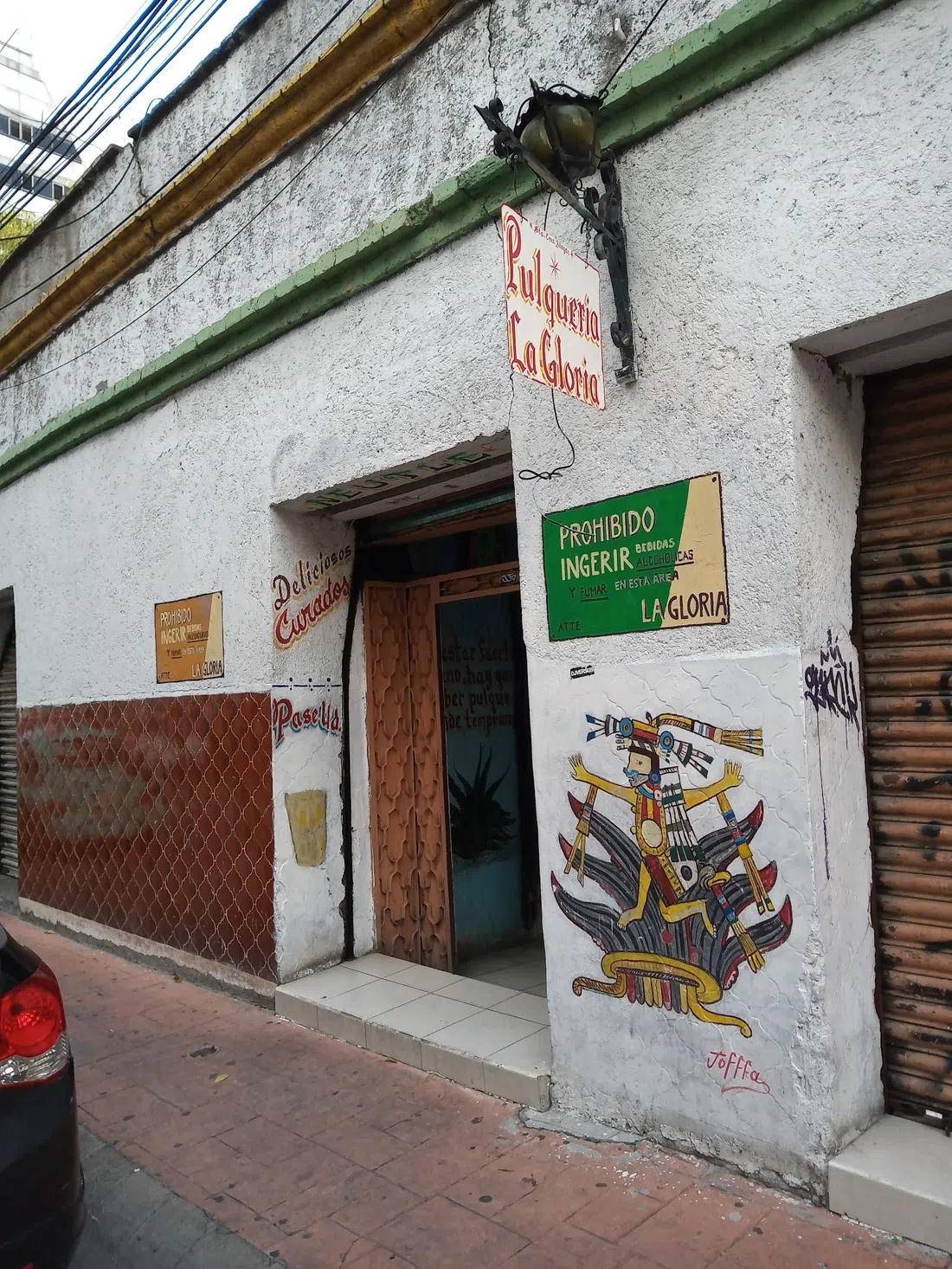
Pulquería La Gloria, in Iztapalapa, sits well outside the usual tourist geography and is frequently cited as one of the most authentic surviving pulque lineages in the city precisely because of that distance. Visitors are welcome, but this isn't a solo wander for someone unfamiliar with the area — go with a local guide or a Mexico City friend rather than arriving cold, and treat it as a deliberate excursion rather than a stop on a walking loop.
Curados, and How to Order Like You've Been Here Before
Pulque on its own — natural, unflavored — tastes like almost nothing else: faintly sour, slightly nutty, thick enough to coat the glass, carbonated in a soft, unaggressive way that has nothing in common with beer's sharpness. Curados exist because that flavor is an acquired one, and pulquerías have spent well over a century inventing fruit, nut, and vegetable infusions — blended into the base pulque — to soften the introduction for newcomers. The honest approach, and the one bartenders themselves tend to respect, is to order a small natural first if you've never had it, so you actually taste the thing itself before curados start doing the work of masking it.
Ordering happens by the jarra or the vaso — a small glass to taste, a full mug to commit — and pulquerías are built around the idea of returning for refills rather than nursing one drink all night, since the fermentation means quality can shift even within a single sitting. In group settings, it's normal and expected to order a few different curados to the table and pass them around rather than everyone ordering identically; the shared-tasting instinct is part of the culture, not an imposition on it. Tipping runs modest, in line with the low prices — small bills, handed over rather than left, are appreciated at cash-only counters.
Practical Details
Getting there: the Centro Histórico and Roma Norte pulquerías (Las Duelistas, La Nuclear, Los Insurgentes, Panana) are walkable from each other or a short metro hop apart, making a multi-stop evening genuinely feasible on foot and transit. La Merced, Doctores, Portales, and especially Iztapalapa are better reached by taxi or ride-hailing app, particularly after dark.
Cash: most traditional pulquerías are cash-only, and ATMs are not reliably close by, particularly at daytime-only spots like El Recreo de Manzanares and La Reforma de las Carambolas. Carry small bills; nobody is set up to break a large note at these prices.
Timing: the daytime pulquerías (El Recreo de Manzanares, La Paloma Azul, La Reforma de las Carambolas) close by early evening and are effectively a lunch-into-afternoon activity, not a night out. The traditional night venues (Las Duelistas, La Nuclear, La Pirata, La Hija de los Apaches, La Hermosa Hortensia) get going after dark and are best visited in the evening rather than late at night if you want to avoid peak crowding. Los Insurgentes runs latest, on a nightclub schedule.
Budget: traditional pulquerías run inexpensive by almost any measure — jarras typically 30 to 60 pesos, cash only, no cover in most cases. Los Insurgentes sits a tier above ($$) given its cocktail menu and nightlife format. For anyone building a trip around this scene, a base in Roma Norte or the Centro Histórico keeps most of these bars within easy reach; the Mexico City hotel search is a reasonable starting point for that kind of central booking.