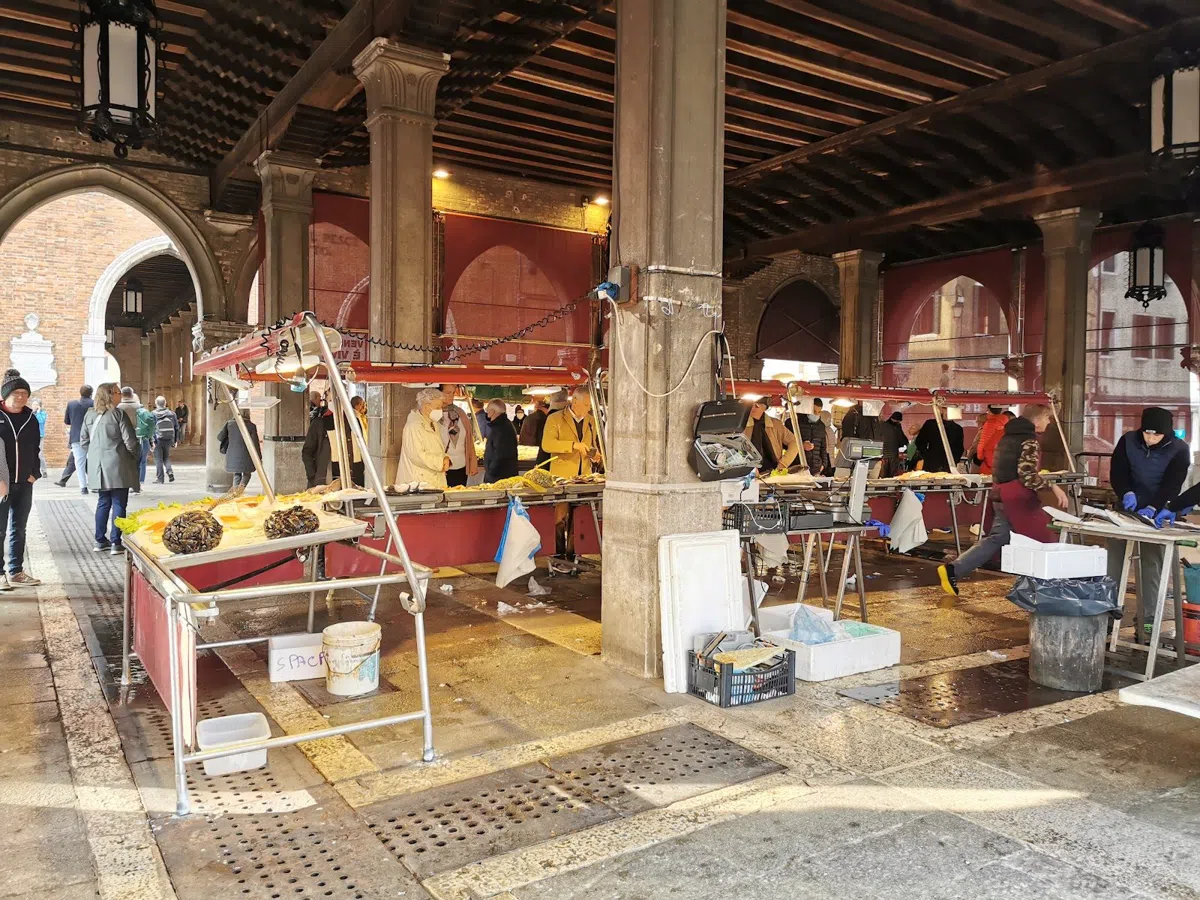

Mexico City on a Sunday moves on a different clock, and most of that clock belongs to its markets. Follow the day from the flower halls of Jamaica to the bazaar sprawl of Merced and you get an honest cross-section of how the city eats, decorates, heals, and haggles: no ticketed queue, no hostess stand, just a string of working markets doing what they've done on Sundays for generations. Budget six to eight hours if you eat properly along the way, and know going in that two of these stops run on their own strict Sunday clock that the rest of the day has to bend around.
The flower halls open before the rest of the city
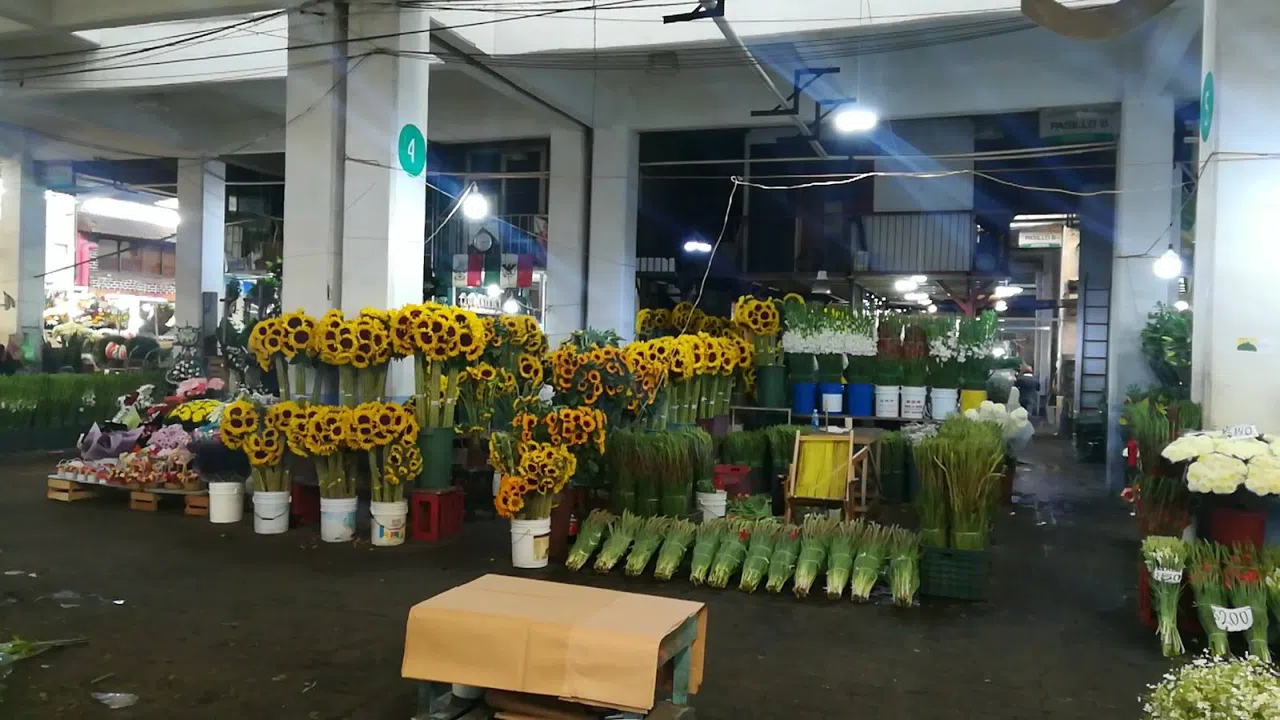
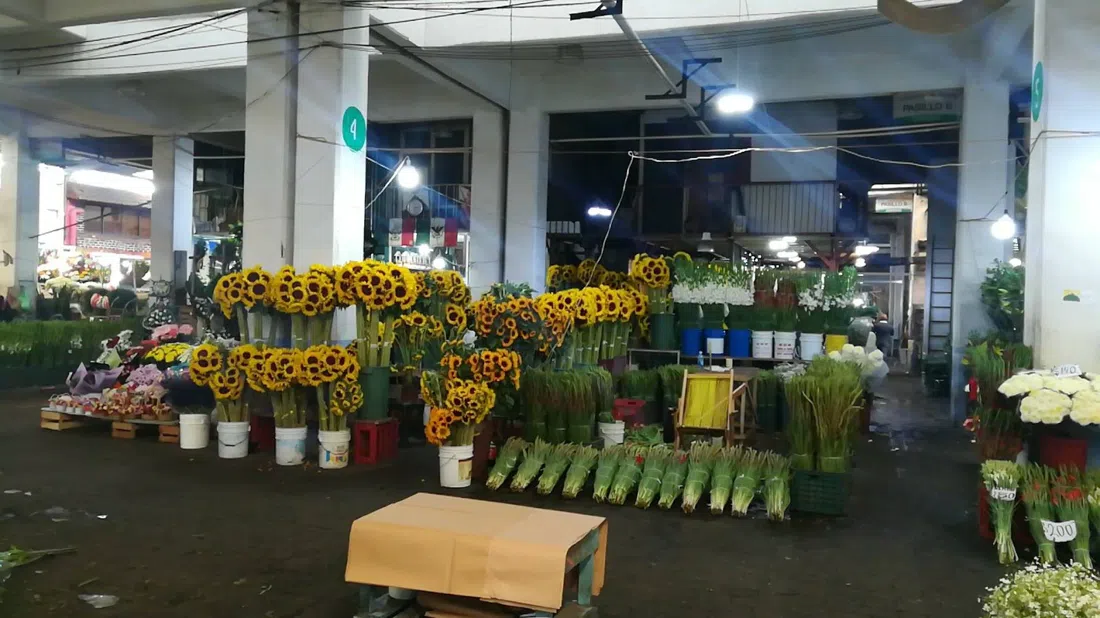
Start at Mercado de Jamaica (Jamaica, Venustiano Carranza) while the wholesale trucks are still unloading. This is the flower market that supplies most of the city's weddings, funerals, and Sunday-lunch centerpieces, and before 10am it runs on a different energy entirely: pallets of gladiolus and cempasúchil moving through the aisles, vendors building arrangements six feet tall, the smell of eucalyptus and diesel in equal measure. It's free to walk through, takes groups easily, and nobody will pressure you to buy, though a bouquet runs roughly $50–300 MXN if you want a souvenir that won't survive the flight home. The catch is timing: by mid-morning the aisles narrow to shoulder width with local shoppers doing their actual weekly errand, so treat this as the 8am–9:30am leg of the day, not something to save for later.
Centro's quieter markets reward the early detour
From Jamaica, head into Centro Histórico for a run of markets most Sunday itineraries skip because they don't look like a photo opportunity from the street.
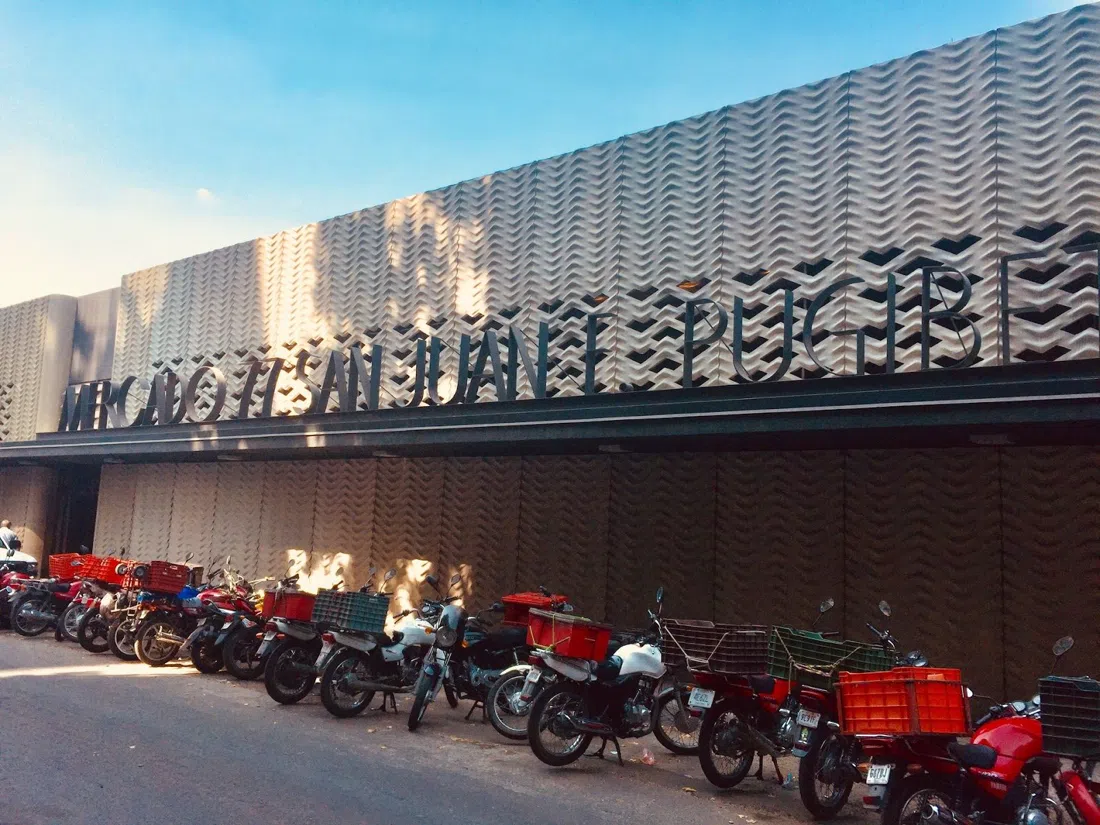
Mercado de San Juan (Ernesto Pugibet, Centro) is the chef's market: the place cooks from across the city come for game meat, imported cheese, chiles you won't find in a neighborhood tianguis, and the kind of exotic-ingredient stalls that make a produce aisle feel like a cabinet of curiosities. It's open Sundays 7am–5pm, fine for small groups though the aisles are genuinely narrow, and worth eating your way through: tasting plates and snacks run $100–250 MXN. Coming here right after Jamaica sharpens the contrast on purpose: you go from a wholesale flower hall straight into a market built for people who cook for a living.
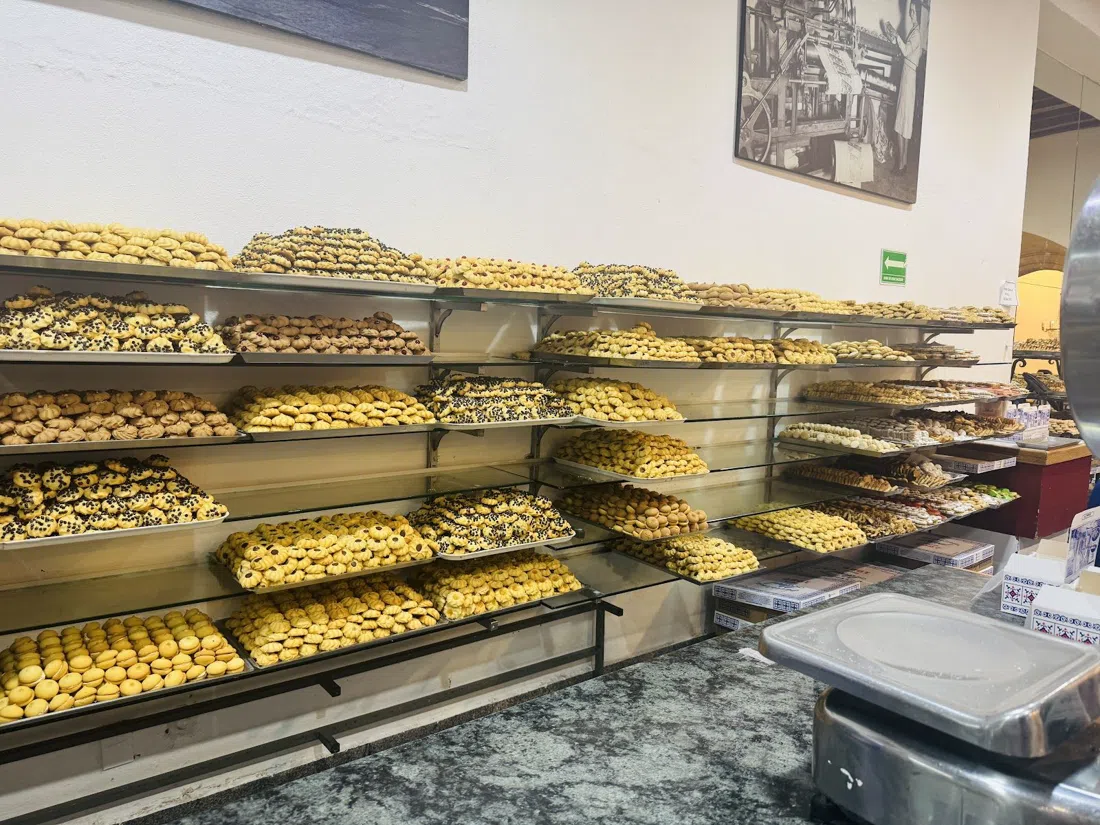
Two blocks over, walk into Pastelería Ideal (16 de Septiembre, Centro) for a sugar reset before you keep moving. It's a self-serve bakery that's been open since 1927: you grab a tray and tongs off the ground floor, load up on pan dulce, and pay at the register, with no wait for a table. Pieces run $15–40 MXN, it's open Sundays 6:30am–9:30pm, and it works for one person or a dozen since there's no seating logistics to manage.
From there, Mercado Abelardo L. Rodríguez (Centro, near Garibaldi) is the stop nobody expects. It's a working municipal produce market with 1930s mural cycles painted straight onto its interior walls, and on a Sunday morning it's quiet enough that you can stand and look up without getting jostled. Entry and the murals are free; a fonda meal inside runs $80–150 MXN if you want a proper sit-down plate of something simple before the day gets louder. Nobody comes here expecting art in a produce market, and that collision (folk murals over crates of tomatoes) is the whole reason to build it into the route.
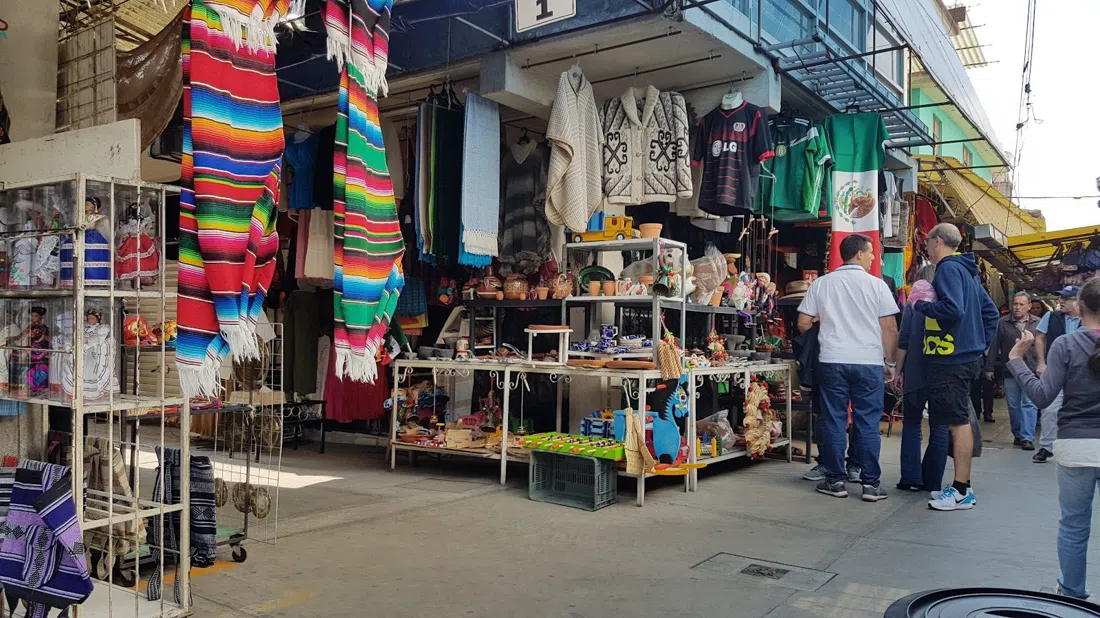
If gifts are on your list, Mercado de Artesanías La Ciudadela (Balderas, Centro) is the honest odd one out on this crawl. It's fixed stalls rather than the loose, tarp-covered chaos of the other markets, genuinely tour-group friendly, and easy to regroup in if you're traveling with more than a couple of people. It's more polished and more tourist-facing than everything else on this list, and that's not a knock, it's just worth knowing before you arrive expecting Jamaica-level rawness. Souvenirs run $50–2000 MXN, haggling is expected and normal, and it's open Sundays 10am–6pm.
Lagunilla only runs until three, so build the middle of the day around it
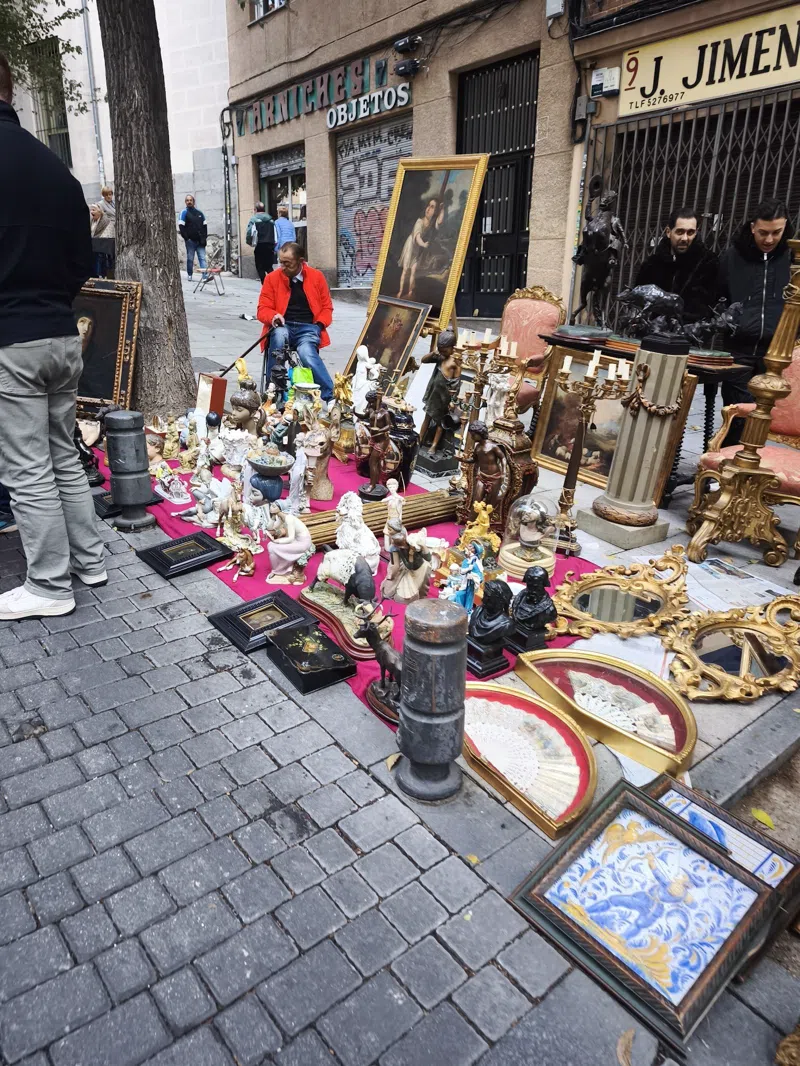
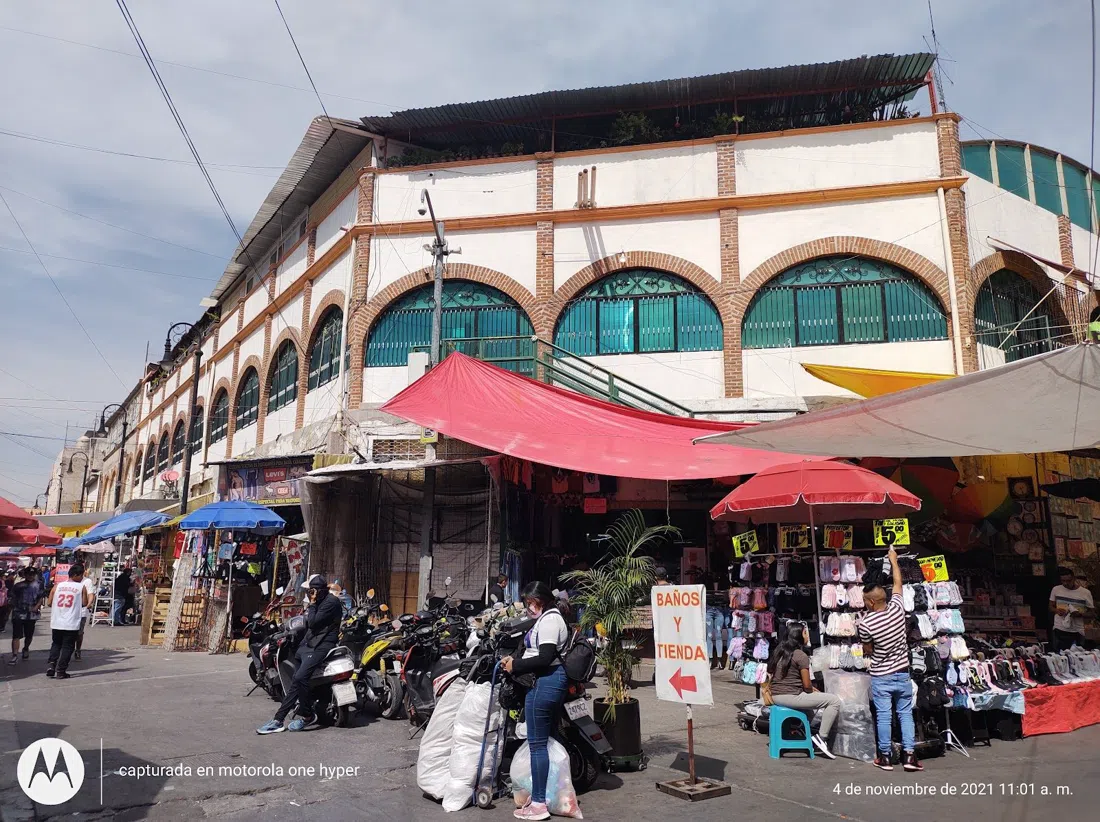
This is the stop that sets your schedule. Tianguis de La Lagunilla (Lagunilla, Centro) is the Sunday-only antiques sprawl the whole itinerary is built around: vintage vinyl, coins, religious icons, furniture, and a lot of things nobody can quite identify, spread across blocks of open-air stalls. It runs 9am to 3pm only, full stop, and it's cash-only and shoulder-to-shoulder crowded by late morning, so don't save it for later in the day: aim to be there by late morning at the absolute latest. Finds range from $50 MXN trinkets to several-thousand-peso pieces, and haggling is expected: starting prices are opening offers, not final ones.
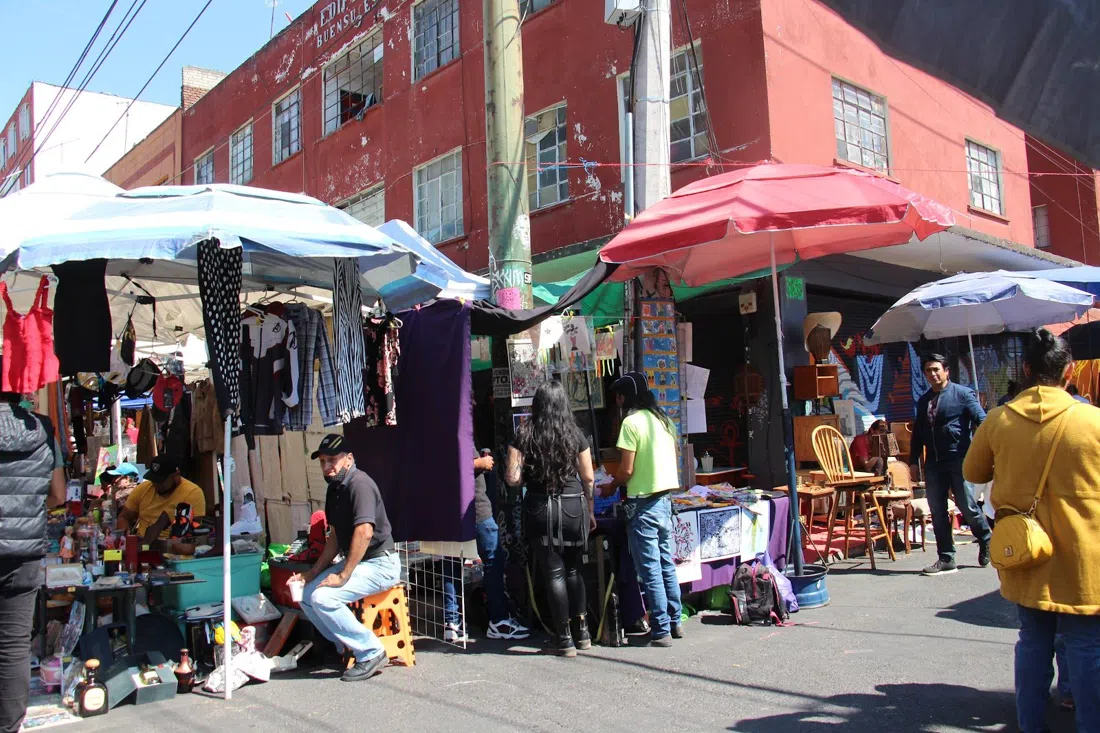
Right next to it, pivot to lunch at Mercado San Camilito (next to Plaza Garibaldi), a 24-hour food market with communal tables and a loud, celebratory volume that makes it work well for groups. A bowl of pozole or a plate of tacos runs $90–180 MXN, and since it never closes, it's the one lunch stop on this route you don't have to time against a shutter coming down. Eating here mid-crawl, right as Lagunilla wraps up, keeps you moving east instead of doubling back later.
A churro and a cold beer buy a second wind
By early afternoon the morning's mileage catches up with most people, and Centro has two honest places to recover before the final push.
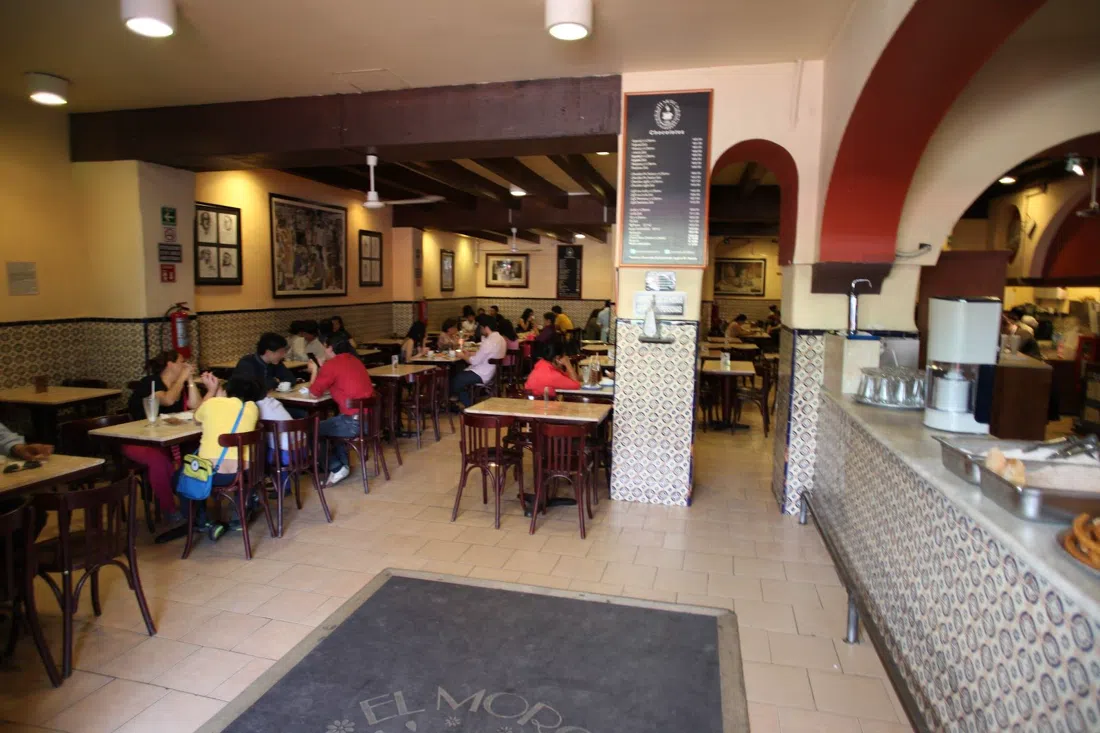
Churrería El Moro (Eje Central, Centro) is the original location and it runs 24 hours, which makes it the one stop on this crawl you can drop into whenever the group needs it rather than when a schedule demands it. Big booths absorb any group size without a wait, and churros with a cup of chocolate for dipping run $100–150 MXN. It's not subtle and it's not meant to be. Treat it as a reset, not a meal.
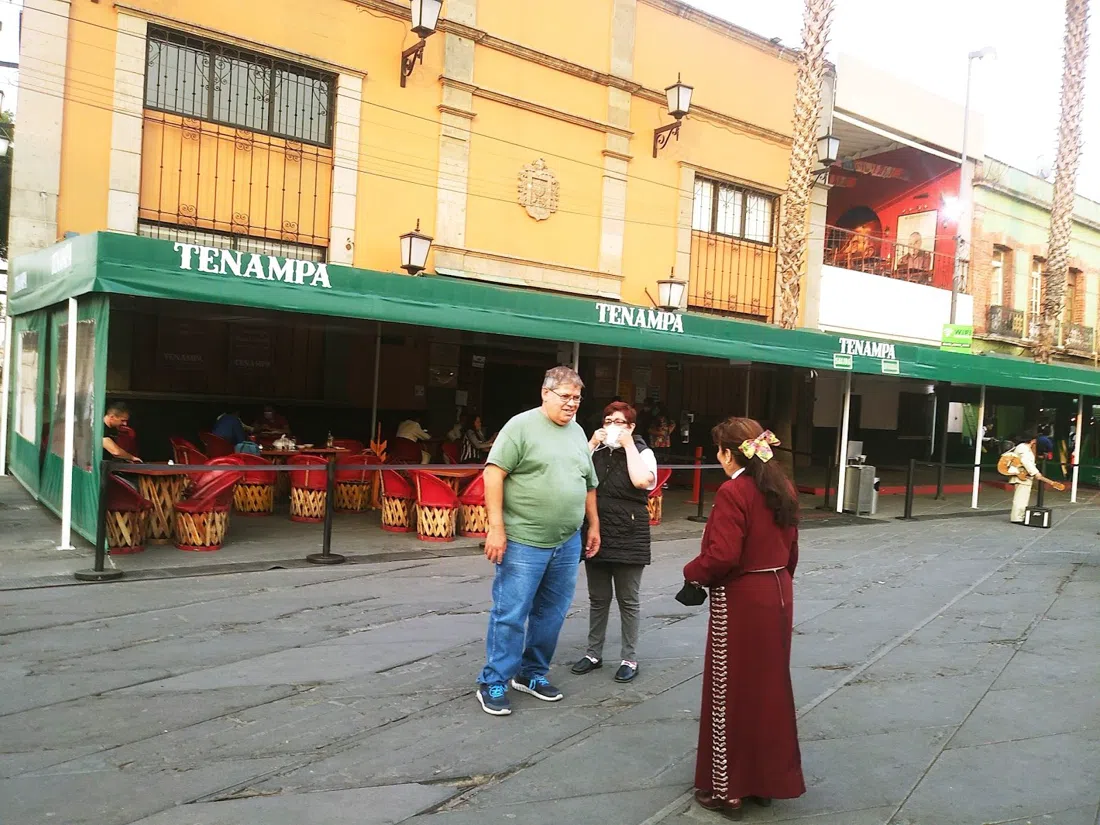
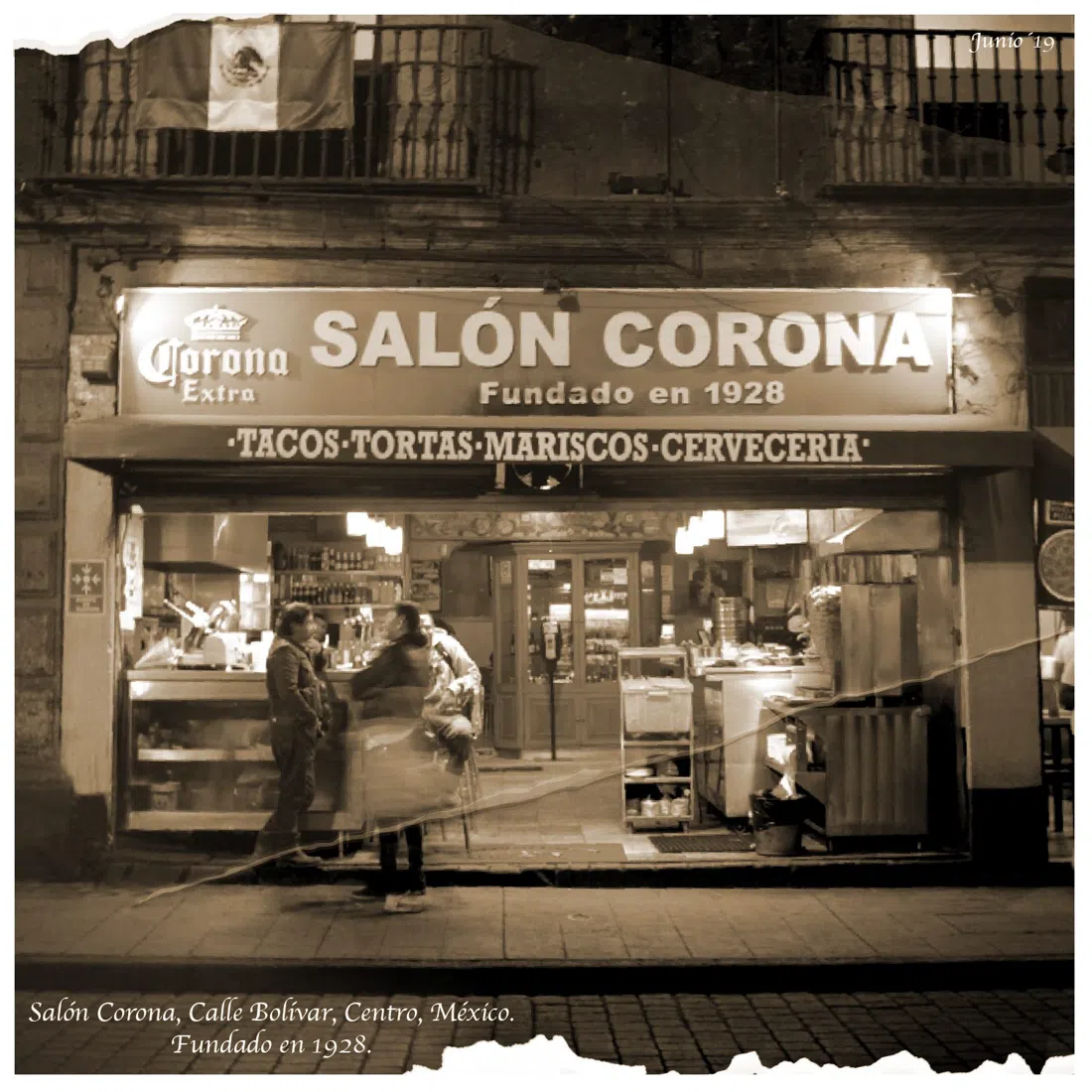
From there, Salón Corona (Bolívar, Centro) is a proper cantina: shared tables, no reservation, cold beer and botanas for $150–300 MXN, open Sundays from 10am straight through to 3am. This is the sit-down pause before the day's last, most intense leg: a beer and a plate of something salty here buys you the stamina to handle Sonora and Merced back to back.
Sonora and Merced close the day on their own terms
Save enough afternoon for this pairing: both run on clocks that punish procrastination.
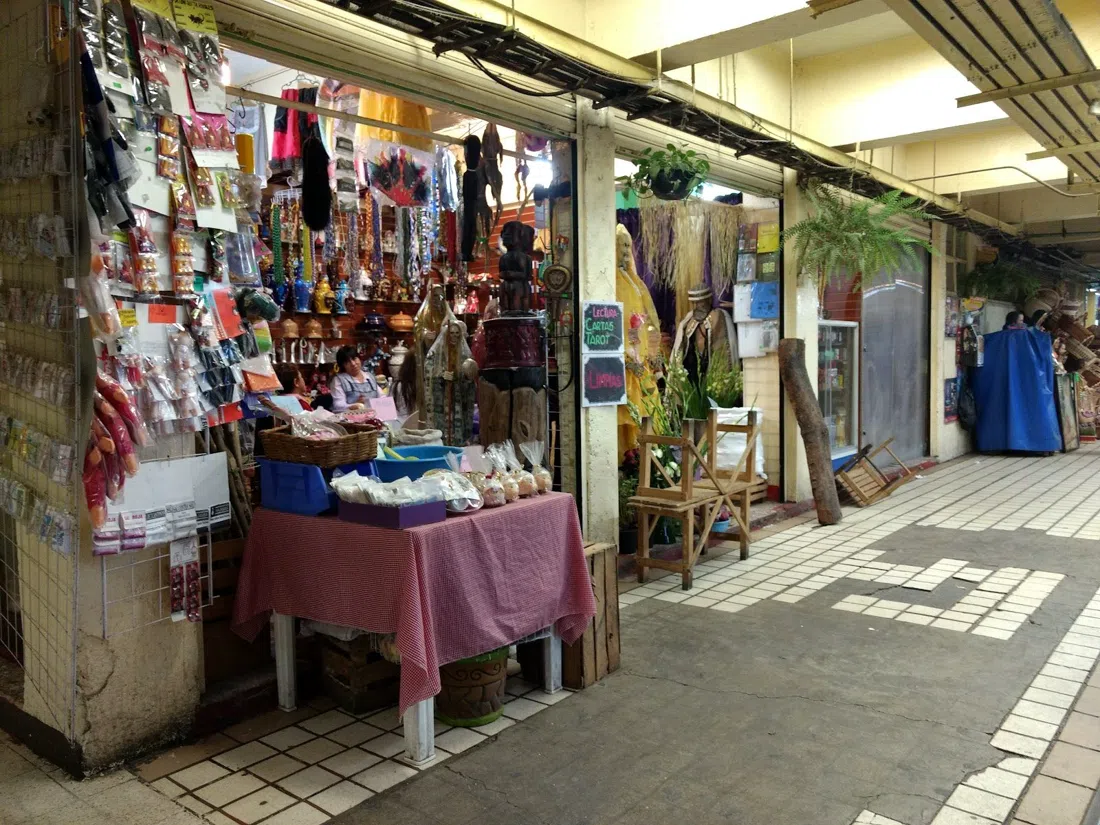
Mercado de Sonora (Circunvalación, near Merced) is the witchcraft and herbal market, and it's the peak sensory-overload stop of the day: candles, dried herbs, folk-Catholic saints, and (worth knowing before you wander in) some stalls perform limpias, spiritual cleansings, right in the open aisle. Move through respectfully rather than treating it as a photo backdrop. Herbs and candles run $30–200 MXN; a limpia, if you want one, costs extra and is worth asking the price of upfront. Sonora closes earlier on Sundays, around 5pm, so this needs to be a mid-afternoon stop, not the last thing you try to squeeze in.
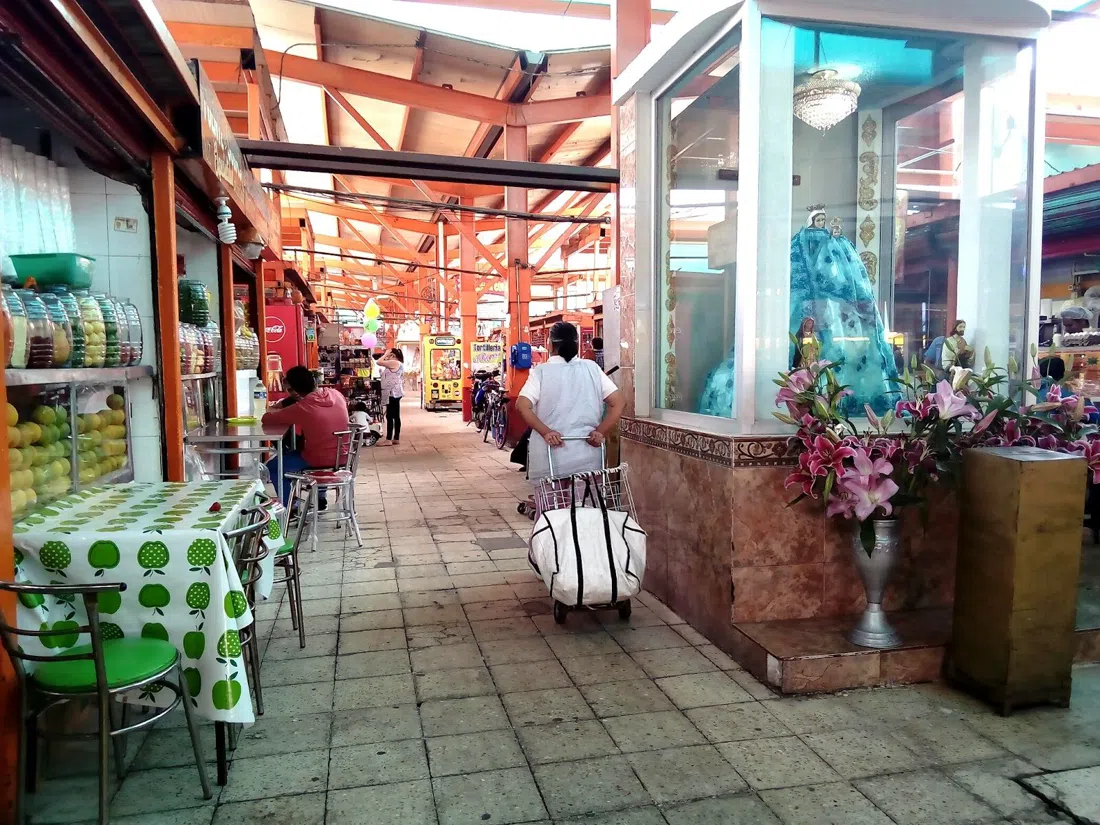
Finish at Mercado de la Merced (Merced, Centro Histórico), the vast historic bazaar the whole day has been building toward. It's genuinely easy to lose people in here, so set a meeting point before anyone splits off to browse. Browsing is free and produce and snacks are cheap throughout, but the comedor section (the sit-down food stalls) closes by 4pm, so if you want a proper meal here, eat before you let yourself get pulled into the aisles of dry goods and piñatas. The rest of the market stays open until 7pm, which means you can loop back through after Sonora for a final hour of pure wandering once the eating decision is already made.
Getting around, paying, and timing the day
Move between these markets by Metro or ride-hailing app rather than trying to walk the whole route. Jamaica, Centro, Lagunilla, and Merced are connected but spread out enough that walking all of it will eat your afternoon. Metro Jamaica, Metro Garibaldi/Lagunilla, and Metro Merced sit close to the relevant clusters if you'd rather not deal with Sunday street traffic.
Carry cash. Lagunilla is cash-only, and most stall vendors across every market on this list don't take cards. Small bills help, since change for a 500-peso note can be genuinely hard to find early in the day. A realistic budget for one person eating and snacking through three or four stops, with a bit of shopping, is $400–900 MXN; add more if you're buying antiques at Lagunilla or a serious souvenir haul at La Ciudadela.
On timing: start at Jamaica by 8am, hit the Centro cluster (San Juan, Ideal, Abelardo Rodríguez, La Ciudadela) through mid-morning, be at Lagunilla no later than midday since it shuts at 3pm, eat at San Camilito right after, recover with El Moro and Salón Corona in the early afternoon, then close with Sonora before 5pm and Merced before 7pm. If you're staying nearby, a Mexico City hotel search turns up options in both Centro and Roma/Condesa that put you within a short ride of every stop on this route. For the rest of what the city offers outside Sunday market hours, the Mexico City guide covers it.
This is not a crawl to attempt hungover or in a rush. It rewards showing up early, carrying small bills, and being honest with your group about which stops are five-minute look-arounds and which ones deserve forty-five minutes and a hot bowl of something. Move through Sonora and Merced with a little more care than the rest, both ask for basic respect rather than treating vendors and rituals as backdrop, and the day holds together as one long, unpolished portrait of how Mexico City shops on a Sunday.